|
|
DIANA / ARTEMISA / EFESO (SIETE IGLESIAS DE APOCALIPSIS)
| Reply |
Message 5 of 5 on the subject |
|
|
|
|
|
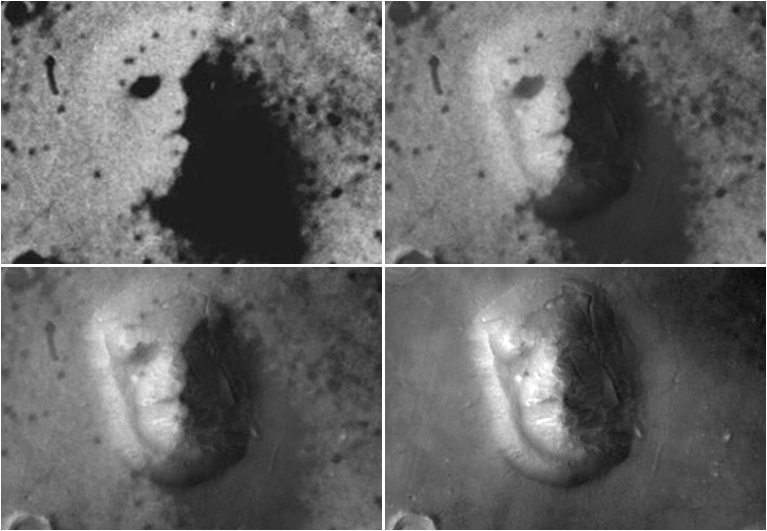
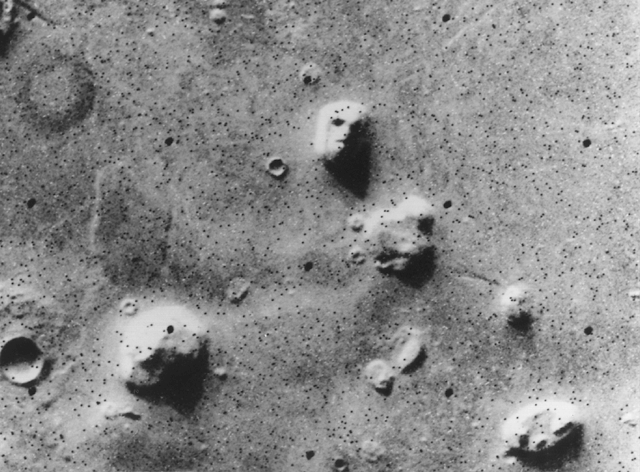
Together with Bat Boy, and Elvis the “Face on Mars” has haunted supermarket checkout Tabloids for years. NASA scientists call it merely an interesting rock formation that happens to look like a face. The faithful call it an artificial monument created by Martians as a sign, perhaps a warning, to us or other Aliens.
Where on Mars
The Face is a large mountain or mesa in the Cydonia region of Mars. It is located at around the 40.8° N, 9.6° W, that’s 40.8°N of the Martian equator. Approximately 3 km long and 1.5 km wide the face was first photographed on July 25, 1976, when the Viking 1 space probe was in orbit taking pictures. The Viking 1 was snapping photos of possible landing sites for its companion ship, Viking 2 when it shot what appeared to be a giant head.
The Viking spacecraft beamed the potential landing sites back to earth where NASA planners pored over the images to find a landing spot. When NASA scientists first saw the head the facial features were thought of as a neat coincidence. The decision was made to release the image in the hopes of spurring the public’s interest in Mars and space exploration in general.

Caption of JPL Viking Press Release P-17384 NATIONAL AERONAUTICS AND SPACE ADMINISTRATION VIKING NEWS CENTER PASADENA, CALIFORNIA (213) 354-6000 Viking 1-61
P-17384 (35A72)
PHOTO CAPTION
July 31, 1976
This picture is one of many taken in the northern latitudes of Mars by the Viking 1 Orbiter in search of a landing site for Viking 2. It shows eroded mesa-like landforms. The huge rock formation in the center, which resembles a human head, is formed by shadows giving the illusion of eyes, nose, and mouth. The feature is 1.5 kilometers (one mile) across, with the sun angle at approximately 20 degrees. The speckled appearance of the image is due to bit errors, emphasized by enlargement of the photo. The picture was taken on July 25 from a range of 1873 kilometers (1162 miles). Viking 2 will arrive in Mars orbit next Saturday (August 7) with a landing scheduled for early September.
Cydonia
Cydonia, the area of Mars where the face is located is covered with mesas that rise high in the air, the surrounding areas having been eroded by the thin Martian air, and possibly water, over billions of years. NASA Scientists saw the image as a simply a large mountain similar to mesa’s found in Arizona deserts. The low image resolution of Viking camera made the “face’s” features appear smoother than what they would be in real life. Plus the shadows give the perception of facial features. After all the brain is trained to find patterns, especially faces, in the things we see around us which is why we see things in clouds or the man on the moon. This brain’s function even has a name: pareidolia (payr.eye.DOH.lee.uh) n. The erroneous or fanciful perception of a pattern or meaning in something that is actually ambiguous or random. Finally, as talked about in the NASA caption, a bit error or a part of the image was lost in transmission appeared right where a nostril would be on a humanoid head. It is these lost “dots” or “bit errors” that give the original image a spotty appearance.
Face becomes famous
When the image was released it captured some attention but it wasn’t until the face was re-discovered three years later that it really captured the public’s imagination. Computer engineers Vincent DiPietro and Gregory Molenaar, under contract at NASA’s Goddard Space Flight Center, had been intrigued by the face and another nearby structure shaped like a pyramid, now called the D&M pyramid after its two discoverers. Poring over NASA picture archives they found 10 images taken of the face and surrounding area but only 2 where high-resolution of the face. Using a new software they had developed called SPIT (Starburst Pixel Interleave Technique) they were able to digitally enhance the images. The results of enhanced images appeared to reveal more detail of the face including, “mouth, teeth, eye sockets, eyeball and pupil, and hairline or headress, and the FACE appears to be bysymmetrical.”
The Monuments of Mars

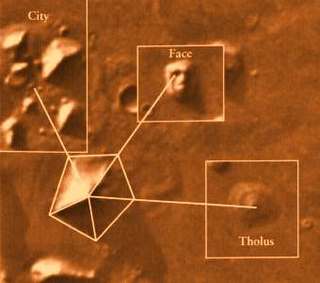
Some of the "Monuments of Mars" see the so-called pyramid in the bottom right hand corner.
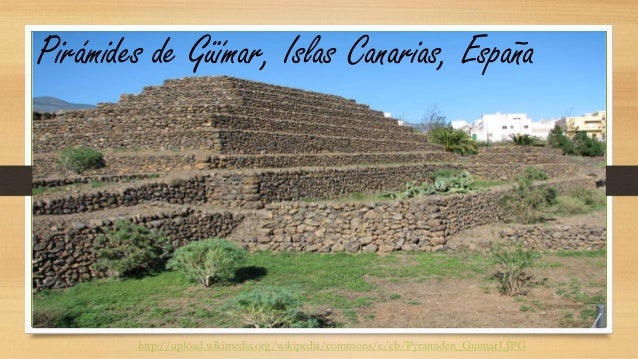
By this time public interest in the face and the potential of a lost civilization on Mars exploded. A cottage industry of books, conventions, science fiction plots about the Face on Mars quickly sprung up seemingly lead by Richard Hoagland. In his book The Monuments of Mars: A City on the Edge of Forever he talks about the face and other surrounding formations that he and others have deemed evidence of a lost civilization. Included in these other “structures” are a pyramid, fortress, ruins of a city, and much more. Fringe groups who have thought that the pyramids of Egypt and South America were either inspired by or actually built by Aliens quickly pounced on the pyramid civilization on Mars theory as proof that Aliens have visited both planets. Aerial images of the pyramid do look similar to the shots of the supposed pyramid on Mars. However, if the Face on Mars was an artificial structure why does it look straight up? The face itself is huge if you were to stand on the ground surrounding the structure you would have trouble making out the features so why would a civilization spend vast amounts of energy building something that they couldn’t even enjoy? Past civilizations on Earth have always built great monuments like this in a standing or upright sitting position i.e. Sphinx so that they could be viewed by worshippers/subjects on the ground. While Hoagland and his fellow band of believers were working themselves into a fevered pitch pointing out new artificial landmarks on the Martian landscape NASA was preparing to the next Mars visitor. The Mars Global Surveyor (MGS) began orbiting Mars on September 12, 1997, and much to the shock of the proponents of an artificial life on Mars NASA did not first go to Cydonia to re-map the Face of Mars. NASA scientists refused to acknowledge that the Face of Mars be a priority and stated something to the effect of, we’ll get around to it eventually. The public outcry was so great to revisit the Cydonia region that NASA was forced to change its timetable and agreed to re-photograph the Face of Mars and surrounding formations as soon as possible.
Picture Taken On:
July 25, 1976 as the Viking 1 space probe orbited Mars
|
|
Place:
40.8° N, 9.6° W Mars
|
Behind the Camera:
Viking I space probe
|
Picture Summary:
A mountain formation on Mars that looks like a face.
|
 This image is in the public domain because it was taken by NASA This image is in the public domain because it was taken by NASA |
|
http://www.famouspictures.org/face-on-mars/
|
|
|
|
|
|
|
|
|
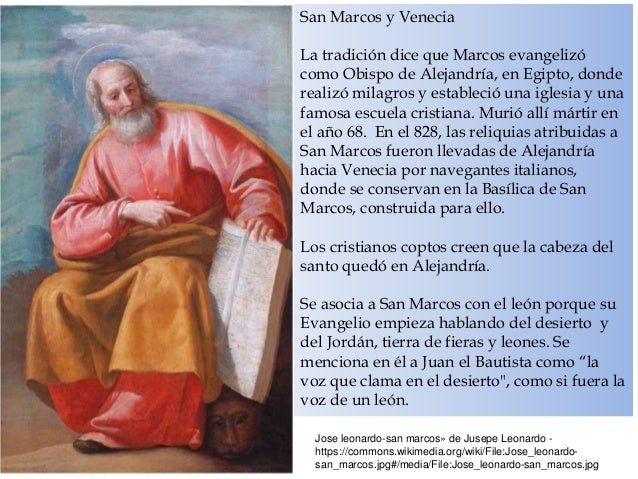
Quien dibujo esa cabeza debajo del libro?
 |
 Primer Anterior 2 a 8 de 8 Siguiente Primer Anterior 2 a 8 de 8 Siguiente  Último Último |
|
|
| De: Goncho |
Enviado: 09/05/2018 22:31 |
|
Enviado: 09/05/2018 13:42 |
Inaudito |
|
|
|
|
https://www.youtube.com/watch?v=lc034xX5xPg
20 jul. 2010 - Subido por mars2057
On July 20, 1976, the Viking 1 spacecraft landed on Mars to end a 500 million-mile ... 0:00 / 5:22. Live ...
https://www.youtube.com/watch?v=uhpQ670XGaM
19 jul. 2016 - Subido por NASA
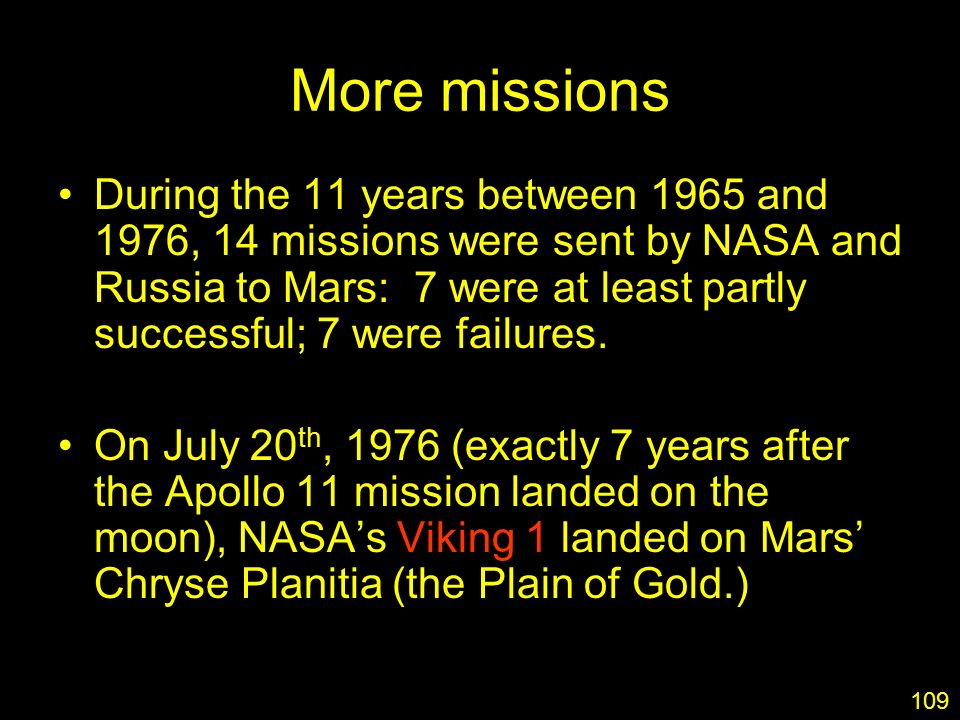
July 20, 1976, 7 years to the day after the Apollo 11 moon landing, the first successful landing on Mars by ...
www.history.com/this-day-in-history/viking-1-lands-on-mars
On July 20, 1976, the Viking 1 lander separated from the orbiter, touched down on the Chryse Planitia region of Mars, and sent back the first close-up ...
|
|
|
|
|
|
Marcos
De Wikipedia, la enciclopedia libre
Marcos, o en su variante en italiano Marco, es un nombre propio masculino de origen latino Marticus (sustituido por Marcus) posiblemente asociado a Marte, dios romano de la guerra. Otros sostienen que Marco posee un origen germánico, y derivaría de la palabra martello, que significa "viril".
[editar] Variantes en otras lenguas
http://es.wikipedia.org/wiki/Marcos
Marcos posiblemente tiene origen en Marte. Significa "el que trabaja con el martillo".
|
|
|
| Goncho (Mensaje original) |
Enviado: 09/05/2018 15:40 |
|
|
|
|
|
|
Muy bonito cuento, ¿Quién es el autor? Quizá Wilde, o tal vez Andersen, o Dumas? O sería el judío Raigorodsky? Qué sé yo, pero el cuento es fascinante, sobretodo, en la parte narrativa en la cual especifica que estuvo, María Magdalena, presente en muchos acontecimientos y me pregunto, de que viviría esa mujer que tenía espacio de tiempo para estar de fisgona, de verdad que se las inventan para tener entretenidos a los lectores creyentes de fábulas y la iglesia católica no pierde tiempo, la declara santa para seguir agregando adeptos y claro, digo esto esperando no ofender a nadie.
|
| Reply |
Message 3 of 12 on the subject |
|
| From: Cajeli |
Sent: 03/09/2017 22:43 |
|
La historia en realidad es algo más profunda.
María Magdalena era una mujer muy joven que cuidaban sus padres sabiendo que estaba endemoniada.
Sufría de neurosis y epilepsia, de esa manera se reflejaba su enfermedad espiritual, y por esto fue sanada por Jesús. No hay bases para afirmar que era prostituta, eso fue una enseñanza falsa, o mal entendido desde que en un sermón al Papa Gregorio I se le ocurrió decir que fue la mujer pecadora que ungió a Jesús con perfumes
|
|
|
| Reply |
Message 4 of 12 on the subject |
|
| From: Rolmen |
Sent: 04/09/2017 00:26 |
|
Bueno Cajeli, real o no, es irrelevante, pero si, creo es una fantasía, es como tú mismo afirmas que el tal Gregorio I se le ocurrió que dicho personaje era una trabajadora sexual, bien pudo este sujeto u otro crear o tergiversar historias que luego, repetidas una y mil veces, con el tiempo se dan como verídicas, hay quienes afirman que esta mujer fue amante de Jesús Cristo e incluso tuvo vástagos de esa relación y no lo afirmo yo, sino está en boca de mucha gente y por ello te digo que las historias están trabucadas.
|
|
|
Esta es otra región de Marte, Cydonia Mensae a 33ºN y 13ºW
sidon esta en el paralelo 33
CYDONIA EN MARTE Y EL 33
| Reply |
Message 5 of 12 on the subject |
|
| From: Cajeli |
Sent: 04/09/2017 00:32 |
|
Este pasaje puede relacionarse con María Magdalena...
MATEO
15:21 Saliendo Jesús de allí, se FUE A LA REGIÓN DE TIRO Y SIDÓN.
15:22 Y he aquí una mujer cananea que había salido de aquella región clamaba, diciéndole: ¡Señor, Hijo de David, ten misericordia de mí! Mi hija es gravemente atormentada por un demonio.
15:23 Pero Jesús no le respondió palabra. Entonces acercándose sus discípulos, le rogaron, diciendo: Despídela, pues da voces tras nosotros.
15:24 El respondiendo, dijo: No soy enviado sino a las ovejas perdidas de la casa de Israel.
15:25 Entonces ella vino y se postró ante él, diciendo: ¡Señor, socórreme!
15:26 Respondiendo él, dijo: No está bien tomar el pan de los hijos, y echarlo a los perrillos.
15:27 Y ella dijo: Sí, Señor; pero aun los perrillos comen de las migajas que caen de la mesa de sus amos.
15:28 Entonces respondiendo Jesús, dijo: Oh mujer, grande es tu fe; hágase contigo como quieres. Y su hija fue sanada desde aquella hora.
15:29 Pasó Jesús de allí y vino junto al mar de Galilea; y subiendo al monte, se sentó allí.
15:30 Y se le acercó mucha gente que traía consigo a cojos, ciegos, mudos, mancos, y otros muchos enfermos; y los pusieron a los pies de Jesús, y los sanó;
15:31 de manera que la multitud se maravillaba, viendo a los mudos hablar, a los mancos sanados, a los cojos andar, y a los ciegos ver; y glorificaban al Dios de Israel.
15:32 Y Jesús, llamando a sus discípulos, dijo: Tengo compasión de la gente, porque ya hace tres días que están conmigo, y no tienen qué comer; y enviarlos en ayunas no quiero, no sea que desmayen en el camino.
15:33 Entonces sus discípulos le dijeron: ¿De dónde tenemos nosotros tantos panes en el desierto, para saciar a una multitud tan grande?
15:34 Jesús les dijo: ¿Cuántos panes tenéis? Y ellos dijeron: Siete, y unos pocos pececillos.
15:35 Y mandó a la multitud que se recostase en tierra.
15:36 Y tomando los siete panes y los peces, dio gracias, los partió y dio a sus discípulos, y los discípulos a la multitud.
15:37 Y comieron todos, y se saciaron; y recogieron lo que sobró de los pedazos, siete canastas llenas.
15:38 Y eran los que habían comido, cuatro mil hombres, sin contar las mujeres y los niños.
15:39 Entonces, despedida la gente, entró en la barca, y vino a la región de Magdala.
SIRIO ES LA CONSTELACION DEL PERRO/ CAN MAYOR
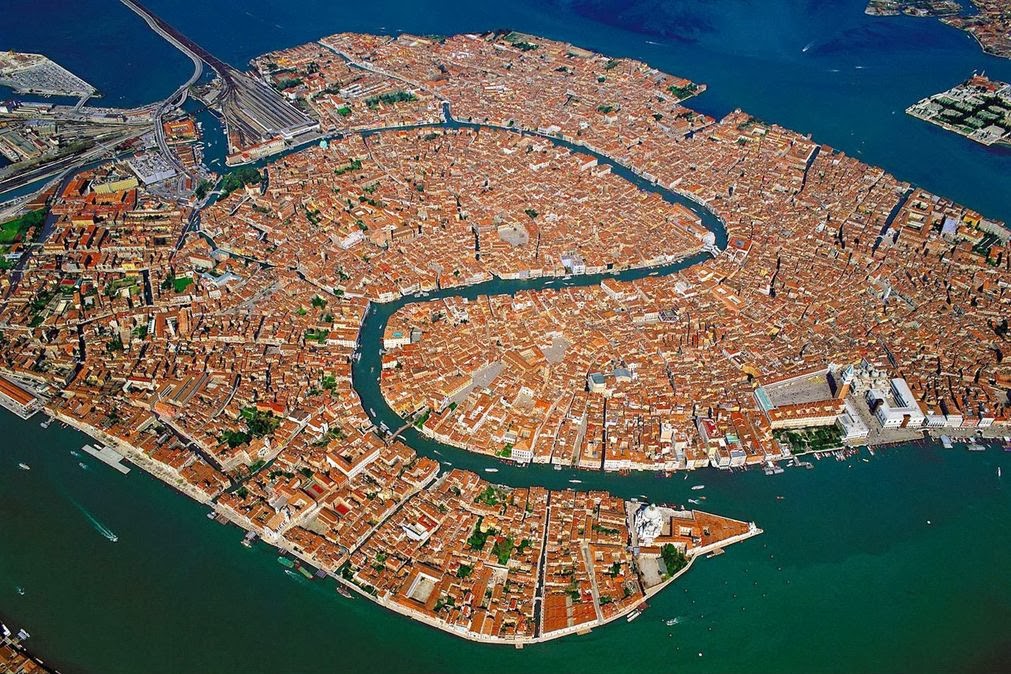
NOTEN EL NEXO DE DAN, CON LA SERPIENTE (VENECIA) Y EL CABALLO (PLAZA SAN MARCOS)
7. Génesis 49:17 Será Dan SERPIENTE junto al camino, Víbora junto a la senda, Que muerde los talones del caballo, Y hace caer hacia atrás al jinete.
VENECIA=PLAZA SAN MARCOS
11. Proverbios 25:11 MANZANA de oro con figuras de plata Es la palabra dicha como conviene.
12. Cantares 2:5 Sustentadme con pasas, confortadme con MANZANAs; Porque estoy enferma de amor.
13. Cantares 7:8 Yo dije: Subiré a la palmera, Asiré sus ramas. Deja que tus pechos sean como racimos de vid, Y el olor de tu boca como de MANZANAs,
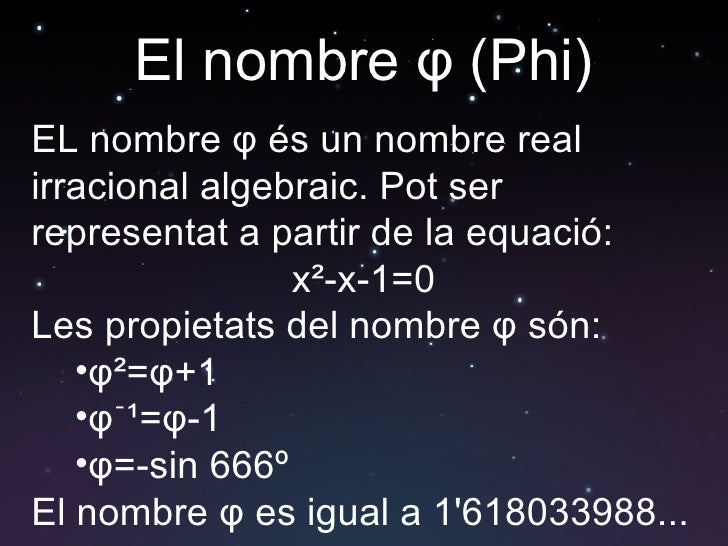
ALLI ESTA LA CONEXION VENUS / VENECIA CON EL 666
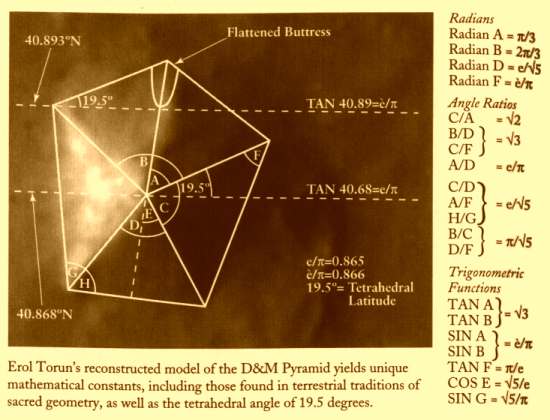
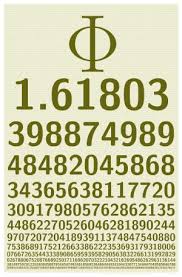
VENUS= PENTAGONO= VENECIA= NUMERO DE ORO= 1.618033
LAS MATEMATICAS SON EXACTAS.
GLORIA A DIOS TODOPODEROSO. QUE BELLAS SON LAS MATEMATICAS
|
|
|
|
|
|
|
NASA's Viking Mission to Mars was composed of two spacecraft, Viking 1 and Viking 2, ... On July 20,1976 the Viking 1 Lander separated from the Orbiter and ... The Viking 2 Orbiter was powered down onJuly 25, 1978 after 706 orbits, and ...
Orbit Insertion: August 7, 1976. Orbiter End of Mission: July 25, 1978. Landing: September 3, 1976. Landing Site: Utopia Planitia, Mars Lander End of Mission: ...
20 ago. 2012 - The original 'Face on Mars' image taken by NASA's Viking 1 orbiter, in grey scale, onJuly, 25 1976. Image shows a remnant massif located in ...
On July 20, 1976, the Viking 1 lander separated from the orbiter, touched down on the Chryse Planitia region of Mars, and sent back the first close-up ...
In October 2001 the US sent unmanned satellite Mars Odyssey into the planet's orbit to carry out chemical and mineralogical surveys from January 2002 to July ...
Viking 1 was the first of two spacecraft (along with Viking 2) sent to Mars as part of NASA's Viking program. On July 20, 1976, it became the first spacecraft to land successfully on Mars .... Transmission of the first surface image began 25 seconds after landing and took about 4 minutes (see below). During these minutes the ...
https://es.wikipedia.org/wiki/Programa_Viking
El programa Viking de la NASA consistió en dos misiones no tripuladas al planeta Marte, .... 25/7/1978, 706, Fin del funcionamiento por agotamiento de las baterías ... Viking Orbiter I, fue la segunda sonda espacial que aterrizó en Marte con éxito, el 20 de julio de 1976 (la primera fue la nave rusa Mars 3 en 1971, aunque se ...
https://www.youtube.com/watch?v=zeApJ2nuYmY
20 ago. 2010 - Subido por SpaceRip
On July 20, 1976, the Viking 1 lander returned the first photograph taken on the surface of Mars. That lander ...
https://www.youtube.com/watch?v=FZI8RGCwfWU
19 jul. 2016 - Subido por AP Archive
On July 20, 1976, America's Viking 1 robot spacecraft made a successful, first-ever landing on Mars. You ...
|
|
|
|
|
![[Image of Viking 2 Landing Site]](https://nssdc.gsfc.nasa.gov/planetary/vikinglander2.gif)
Viking Mission to Mars
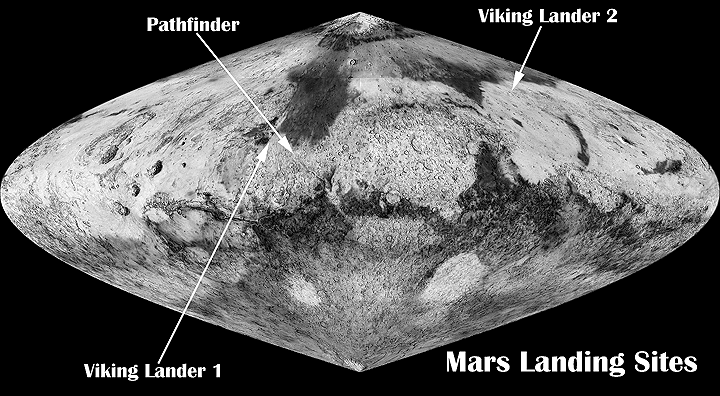
NASA's Viking Mission to Mars was composed of two spacecraft, Viking 1 and Viking 2, each consisting of an orbiter and a lander. The primary mission objectives were to obtain high resolution images of the Martian surface, characterize the structure and composition of the atmosphere and surface, and search for evidence of life. Viking 1 was launched on August 20, 1975 and arrived at Mars on June 19, 1976. The first month of orbit was devoted to imaging the surface to find appropriate landing sites for the Viking Landers. On July 20, 1976 the Viking 1 Lander separated from the Orbiter and touched down at Chryse Planitia (22.27° N, 312.05° E, planetocentric). Viking 2 was launched September 9, 1975 and entered Mars orbit on August 7, 1976. The Viking 2 Lander touched down at Utopia Planitia (47.64° N, 134.29° E, planetocentric) on September 3, 1976. The Orbiters imaged the entire surface of Mars at a resolution of 150 to 300 meters, and selected areas at 8 meters. The lowest periapsis altitude for both Orbiters was 300 km. The Viking 2 Orbiter was powered down on July 25, 1978 after 706 orbits, and the Viking 1 Orbiter on August 17, 1980, after over 1400 orbits. The Viking Landers transmitted images of the surface, took surface samples and analyzed them for composition and signs of life, studied atmospheric composition and meteorology, and deployed seismometers. The Viking 2 Lander ended communications on April 11, 1980, and the Viking 1 Lander on November 13, 1982, after transmitting over 1400 images of the two sites. Many of these images are also available from NSSDCA online and as photographic products.
The results from the Viking experiments gave our most complete view of Mars. Volcanoes, lava plains, immense canyons, cratered areas, wind-formed features, and evidence of surface water are apparent in the Orbiter images. The planet appears to be divisible into two main regions, northern low plains and southern cratered highlands. Superimposed on these regions are the Tharsis and Elysium bulges, which are high-standing volcanic areas, and Valles Marineris, a system of giant canyons near the equator. The surface material at both landing sites can best be characterized as iron-rich clay. Measured temperatures at the landing sites ranged from 150 to 250 K, with a variation over a given day of 35 to 50 K. Seasonal dust storms, pressure changes, and transport of atmospheric gases between the polar caps were observed. The biology experiment produced no definitive evidence of life at either landing site.
Further information on the spacecraft, experiments, and data returned from the Viking missions can be found in the September 30, 1977 issue of the Journal of Geophysical Research, "Scientific Results of the Viking Project", vol. 82, no. 28.
Detailed information on the individual spacecraft and missions
 Viking 1 Orbiter Viking 1 Lander Viking 2 Orbiter Viking 2 Lander Viking 1 Orbiter Viking 1 Lander Viking 2 Orbiter Viking 2 Lander
Viking Images Online
 Viking Lander Images Online - PDS Geosciences Node Viking Orbiter Images Online - PDS Geosciences Node Viking Lander Images Online - PDS Geosciences Node Viking Orbiter Images Online - PDS Geosciences Node
Information on experiments and data available at NSSDCA from the NSSDCA Master Catalog:
Viking 1 Orbiter Data Viking 1 Lander Data Viking 2 Orbiter Data Viking 2 Lander Data
Mars Home Page
Mars Fact Sheet
Comparison of Viking Lander and Mars Pathfinder B&W Panoramas
Mars global view showing the Viking and Mars Pathfinder landing sites
Mars Mileage Guide - distance between Pathfinder and Viking landing sites and other martian features
Catalog of Spaceborne Imaging - Images of Mars from Viking and other missions
NSSDCA Photo Gallery - More images of Mars
Index of latitude and longitude of all Viking Orbiter images
Viking Lander 20th Anniversary - 20 July 1996
Viking Books Online
On Mars - A History of the Viking Mission
The Martian Landscape - Images from the Viking Landers
Viking Orbiter Views of Mars - Images from the Viking Orbiters
PDS Cartography and Imaging Node
PDS Geosciences Node
Mars Orbital Data Explorer - PDS Geosciences Node
Viking Meteorology Data
Links to other pages relevant to Mars |
|
|
 Primer
Anterior
2 a 9 de 159
Siguiente
Primer
Anterior
2 a 9 de 159
Siguiente Último
|


 Tema anterior