|
|
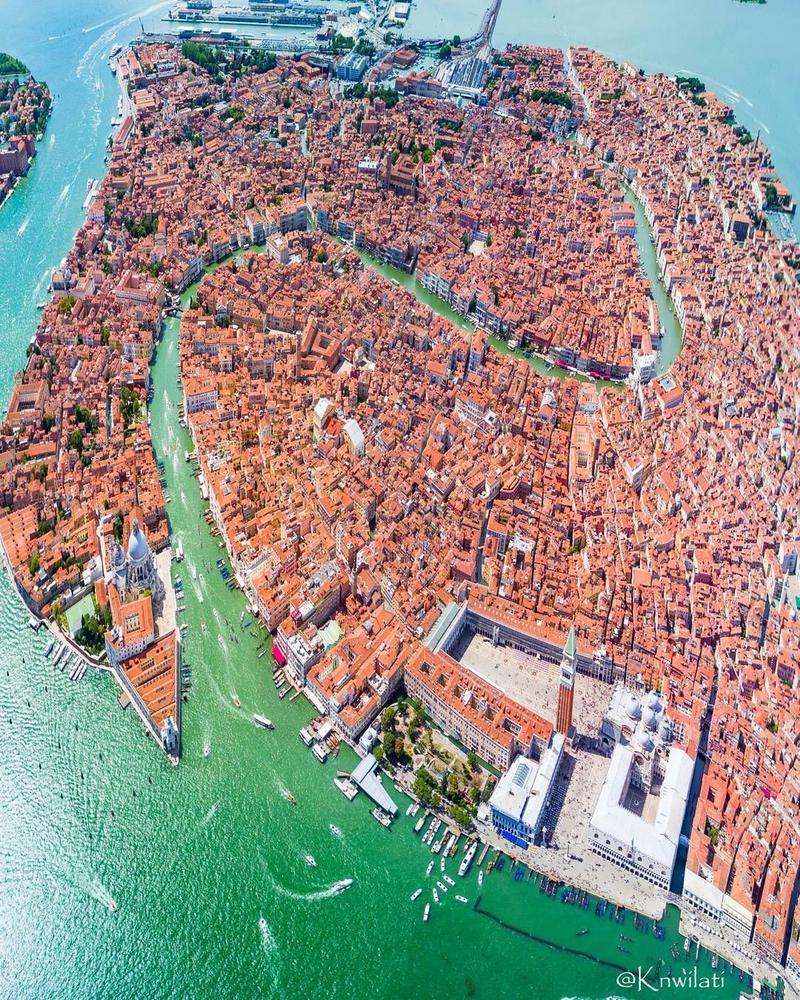
ISLA SAN GIORGIO (VENECIA)=GEORGE LEMAITRE
|
|
|
|
|
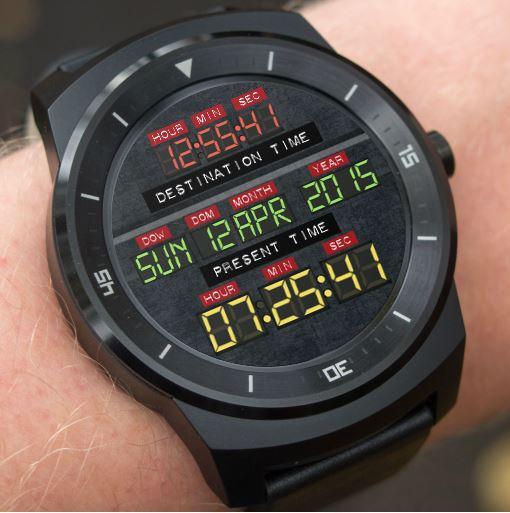
How To install the Back to the Future Flux Capacitor watch face app
If you’re bored of the default watch faces on your Apple Watch (Series 5 & 6), and want to unlock the endless options made possible by the free Clockology app, here are the steps you’ll need to get started right away:
-
Head to the App Store and download the Clockology app.
-
After downloading the app to your iPhone, you should see it appear on your Apple Watch automatically. If it doesn’t head to your Apple Watch app and scroll down to “Clockology” and make sure the “Show App on Apple Watch” is enabled.
-
Now you’ll need to change some settings on your Apple Watch. Within the Apple Watch app, head to “General”, and scroll down to “Wake Screen”. Change the “ON TAP” setting to “Wake for 70 Seconds” and “RETURN TO CLOCK” setting to “After 1 hour”.
-
Next, you’ll need to open up your web browser on your iPhone and download a “_EnableBeta” file. Once it is downloaded, hit the downloaded file and it will open up your Clockology app. Now you should see a big pink circle watch face with the word “Beta” in the centre. Tap and hold your finger on it, and select “Watch Sync”. Then click on the orange “Sync” button.
-
Power off your Apple Watch. and power it back on. Open the Clockology app on your watch. You should see the pink circle watch face with the word “Beta”. Now you’re ready to install your custom watch faces.
-
Head to “Browse”, and type “Clockology” in the search bar. You should then see an “Example Clocks” folder with 115 items. These are a bunch of watch faces you can sync to your watch. To load up any desired watch face to your watch, simply hold down on the watch face and select the “Watch Sync” option.
-
For every watch face sync, be sure to deselect the “Replace Clocks” option. This way, you can swipe left or right on your Apple Watch to switch between synced watch faces anytime.
-
And you’re all set! If you have questions about whether Clockology will drain your watch battery, this FAQ should help.
Click to download the Back to the Future clock face design as show below:
Version 1 (credit to Adam Stewart for the original design, and improved by Alex Kim)
https://www.deloreanrental.com/blog/back-to-the-future-apple-watch-face |
|
|
|
|
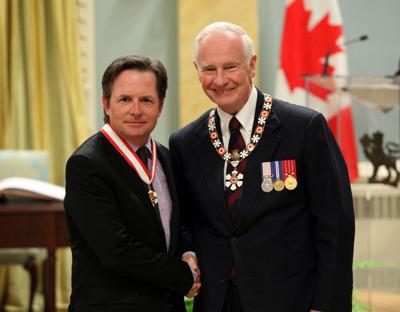
Governor General David Johnston (right) with actor Michael J.Fox at Rideau Hall on May 27, 2011 during an Order of Canada ceremony.
PATRICK DOYLE / THE CANADIAN PRESS
OTTAWA—Actor Michael J. Fox is now an officer of the Order of Canada.
The Edmonton-born actor and activist is among 43 people who received their medals from Gov. Gen. David Johnston at a Rideau Hall ceremony.
Others include rock legend Robbie Robertson, hockey commentator Howie Meeker, Acadian filmmaker Phil Comeau, former cabinet minister Anne McLellan and Trudeau biographer Stephen Clarkson.
Fox was honoured for his efforts on behalf of those suffering from Parkinson’s disease, as well as his television and film work.
Fox, diagnosed with Parkinson’s two decades ago, called the award a great honour.
He chuckled that he felt like an imposter when he glanced around at his fellow inductees.
“I don’t begin for a second to put myself in the league of any of these people,” he said. “When I listen to what they’ve done, that’s Canadian to me. It’s a seriousness and a sense of humour, it’s a lot of contradictions.”
He said Canada always makes him think “of vast spaces and tight communities.”
“We think of ourselves huddled against the elements and helping each other. It’s very moving to be part of it.”
https://www.thestar.com/entertainment/michael-j-fox-receives-order-of-canada/article_8f612aa5-9d87-5133-9984-8c2b1b3eaa4f.html |
|
|
|
|
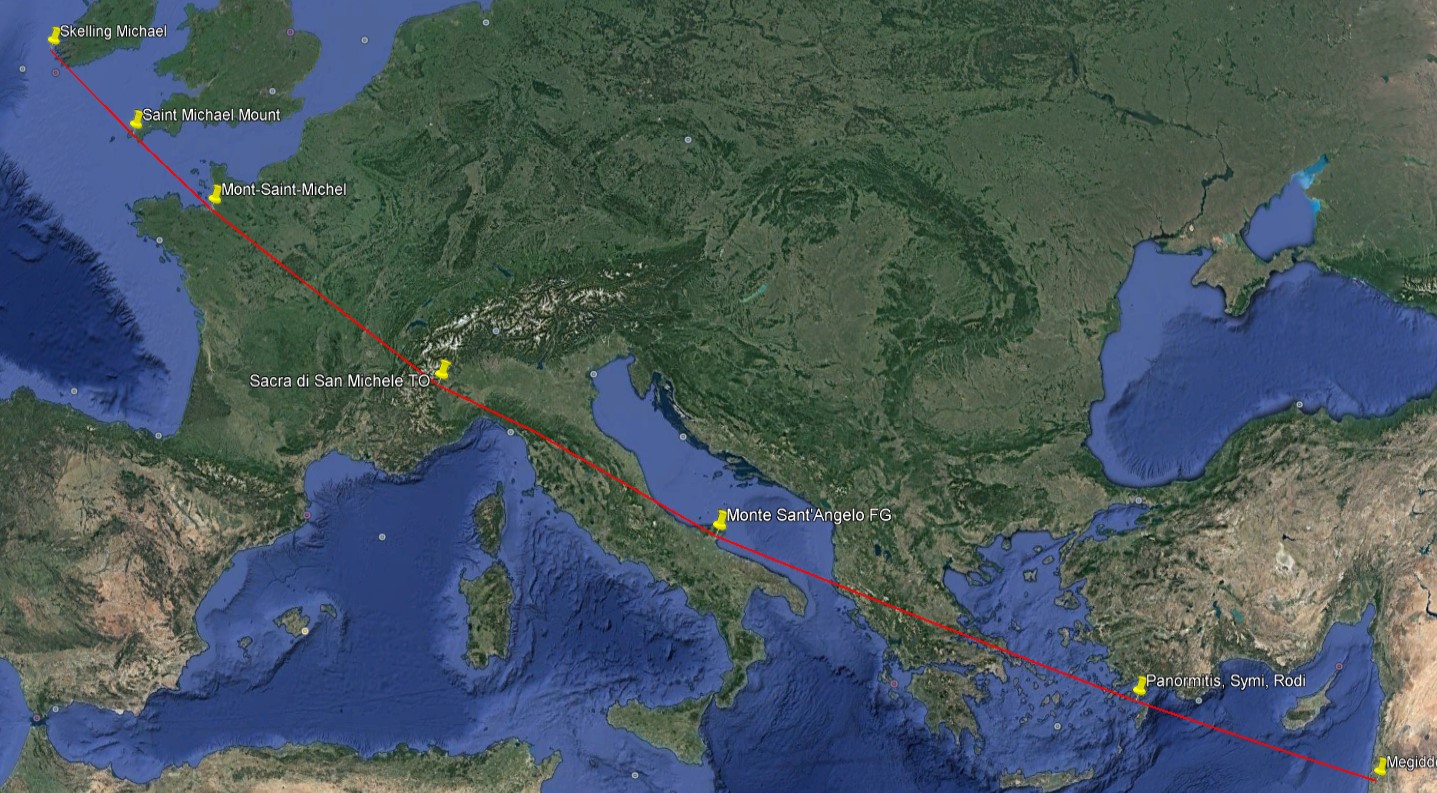
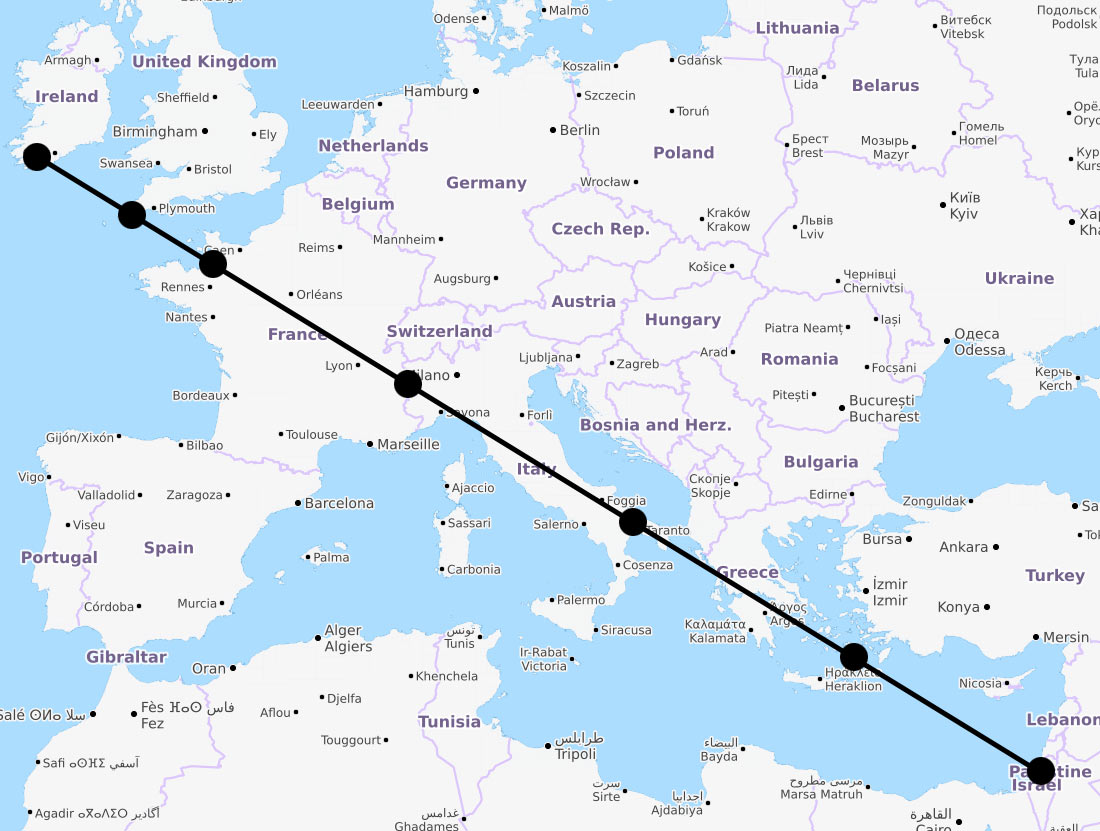
Modo IA Todo Imágenes Vídeos Noticias Maps Shopping Libros Vuelos Finance El nexo extraordinario y polifacético entre el Papa Juan XXIII (Angelo Giuseppe Roncalli), el 29 de septiembre, San Miguel Arcángel (y los arcángeles) y el entramado mitológico-geográfico de Venecia (San Jorge / Apolo) se desglosa en tres puntos clave: 1. El nexo litúrgico y diplomático del 29 de septiembre La Fiesta de San Miguel: En el Misal Romano de 1962 promulgado por el propio Juan XXIII, el 29 de septiembre se celebraba exclusivamente como la fiesta litúrgica de San Miguel Arcángel (antes de que las reformas posteriores de Pablo VI unificaran a los tres arcángeles en ese día). www.ourladymountcarmel.com +3 El Día del Diplomático: Debido a su larga y brillante trayectoria como diplomático del Vaticano (en Bulgaria, Turquía y Francia), en 1962 el Papa Juan XXIII instauró oficialmente el 29 de septiembre como el Día del Diplomático. El "Papa Bueno" eligió deliberadamente esta fecha bajo el patronazgo del Arcángel Gabriel (que comparte fecha con Miguel) por ser históricamente el «portador de la palabra» y el mensajero de la paz. Profecías y Paz: El 29 de septiembre de 1961, Juan XXIII publicó su célebre Carta Apostólica Il religioso convegno, un llamado urgente al rezo del Santo Rosario para invocar la paz mundial frente a las tensiones de la Guerra Fría. 2. El eje geográfico y espiritual en Venecia: San Jorge y San Miguel Antes de ser Papa, Angelo Roncalli fue el Patriarca de Venecia (1953-1958). En la laguna veneciana existe una conexión física y mística que él mismo protagonizó: Opus Dei - Finding God in daily life +1 San Giorgio in Alga (San Jorge): En 1961, ya siendo Papa, Juan XXIII compró personalmente la isla veneciana de San Giorgio in Alga a través del Patriarcado para restaurarla y devolverle su antigua vida espiritual. Esta isla era históricamente un monasterio reformado por los monjes de San Giorgio en comunión con los de San Michele. San Michele in Isola: El contrapeso místico a San Jorge en Venecia es la isla cementerio de San Michele (San Miguel). Ambas islas forman parte del histórico "camino de los monasterios" de la laguna veneciana que Roncalli tanto amaba y buscó unificar y proteger. 3. El trasfondo hermético: El eje Apolo - San Miguel - San Jorge En la historia de la iconografía y el esoterismo cristiano, existe un sincretismo absoluto entre Apolo, San Miguel y San Jorge: El Arquetipo Solar: Apolo (el dios griego de la luz, el sol y la profecía) fue cristianizado en Occidente bajo dos formas: la del Arcángel San Miguel (el guerrero de la luz celestial que vence al dragón/serpiente Pitón) y la de San Jorge (el caballero que vence al dragón en la tierra). Venecia como espejo templario: En Venecia, la isla de San Giorgio Maggiore y la de San Michele se alinean geométricamente siguiendo antiguas tradiciones de centros de culto solar (originalmente dedicados a Apolo). Al adquirir San Giorgio in Alga y haber regido la Venecia de San Marcos, Juan XXIII se entrelazó con esta famosa "Línea Sagrada de San Miguel", que une los grandes santuarios del Arcángel y de San Jorge en Europa bajo el simbolismo de la luz venciendo a la oscuridad. ¿Te gustaría profundizar en el contenido de la carta de paz que escribió Juan XXIII un 29 de septiembre o en los detalles místicos de la isla de San Giorgio in Alga en Venecia? Sí, existe un entramado fascinante que conecta estos elementos, combinando historia vaticana medieval, el polémico esoterismo de las profecías y leyendas urbanas sobre viajes en el tiempo. El nexo se divide en tres niveles: 1. El Passetto di Borgo y los dos "Juan XXIII" Históricamente, el Passetto di Borgo es el famoso corredor fortificado de unos 800 metros que une la Ciudad del Vaticano con el Castel Sant'Angelo. Aquí ocurre una enorme coincidencia de nombres: Wikipedia +1 El Antipapa Juan XXIII (Baldassarre Cossa): A principios del siglo XV (1410-1415), este controvertido personaje histórico fue quien finalizó las obras principales del Passetto di Borgo y fortificó el tramo que aseguraba la huida hacia el Castillo de Sant'Angelo. Angelo Roncalli (El Papa Juan XXIII): Cuando fue elegido Papa en 1958, Roncalli eligió deliberadamente el nombre de "Juan XXIII". Al hacerlo, "borró" de la lista oficial al antiguo antipapa medieval que había construido el Passetto. Simbólicamente, se adueñó de su legado cronológico. Facebook ·ROME REPORTS en español 2. El misterio de Juan XXII, el Castillo y la Alquimia Mencionas a Juan XXII (Papa entre 1316 y 1334). Este Papa es célebre en el mundo ocultista por haber publicado la bula Spondent quas non exhibent, la cual condenaba a los falsos alquimistas. Sin embargo, el mito popular afirma que él mismo era un alquimista consumado que descubrió el secreto de la transmutación y que guardaba manuscritos prohibidos sobre la manipulación del tiempo y la materia en los sótanos del Castel Sant'Angelo (que sirvió históricamente como fortaleza, archivo secreto y prisión papal). castelsantangelo.com 3. La Manzana, Pier Carpi y el Viaje en el Tiempo La conexión más extraordinaria y "conspiranoica" proviene del famoso libro de 1976, Las profecías del Papa Juan XXIII, escrito por el italiano Pier Carpi. www.buscalibre.com.ar +1 El viaje en el tiempo y los "Hermanos del Espacio": En los supuestos textos proféticos atribuidos a Angelo Roncalli (fechados místicamente a partir de 1935), se narra de forma muy críptica el contacto con seres de otros mundos o "viajeros del tiempo" y la llegada de tecnologías imposibles. El símbolo de "La Manzana": En el texto de Carpi, la manzana aparece como un arquetipo recurrente. Representa tanto el fruto del conocimiento (átomo/ciencia) como a un "objeto esférico" o artefacto tecnológico que los humanos del futuro o "los de arriba" traen a la Tierra. Una de las metáforas de las profecías advierte que "la manzana será abierta" y que el hombre dividirá lo indivisible (interpretado como la fisión nuclear o la apertura de portales temporales). El cierre del círculo místico Uniendo tus conceptos: la leyenda urbana de la contracultura esotérica afirma que Angelo Roncalli (Juan XXIII) descubrió en los archivos secretos del Vaticano (o recorriendo el propio Passetto hacia el Castel Sant'Angelo) los antiguos textos ocultos de Juan XXII. Inspirado por esa "conexión entre los dos Juanes", Roncalli habría tenido acceso a revelaciones sobre el tejido del tiempo, profetizando los acontecimientos de la humanidad hasta el año 2033 bajo metáforas de objetos circulares (como la manzana). ¿Te gustaría que analicemos el texto exacto de la profecía de Pier Carpi donde se habla de esos extraños artefactos y "seres del cielo", o prefieres profundizar en la historia real del antipapa Juan XXIII y sus reformas en el Passetto? La historia real de Baldassarre Cossa, conocido como el Antipapa Juan XXIII, es una de las tramas más oscuras, fascinantes y decisivas de la historia de la Iglesia católica. Su intervención en el Passetto di Borgo (el corredor fortificado) y su conexión con el Castel Sant'Angelo ocurrieron en el contexto del Cisma de Occidente, una época donde llegó a haber tres Papas simultáneos compitiendo por el poder. A continuación, se detalla la historia real de su reforma en el Passetto y su aparatoso final: 1. ¿Quién era el Antipapa Juan XXIII? Baldassarre Cossa nació en Procida (Nápoles) en una familia de la nobleza local venida a menos, con fuertes lazos con la piratería marítima. De hecho, en su juventud, el propio Cossa ejerció la piratería en el Mediterráneo. Más tarde estudió derecho canónico en Bolonia y, gracias a su innegable astucia militar y política, escaló rápidamente en la jerarquía eclesiástica. Fue elegido para el bando de Pisa como Juan XXIII en 1410. Aunque gobernó con mano de hierro, para la historia oficial de la Iglesia su elección fue considerada ilegítima, quedando registrado como antipapa. 2. La reforma real en el Passetto di Borgo El Passetto di Borgo (el pasadizo que une los Palacios Vaticanos con el Castel Sant'Angelo) existía de forma rudimentaria desde siglos anteriores. Sin embargo, fue el Antipapa Juan XXIII quien, entre 1411 y 1414, realizó la reforma arquitectónica y militar más crucial de su historia: El Corredor de Huida: Viéndose rodeado de enemigos (especialmente el rey Ladislao de Nápoles), Juan XXIII ordenó amurallar, elevar y techar el pasadizo para convertirlo en una auténtica fortificación militar defensiva. La Conexión con Sant'Angelo: Fortificó el tramo final que conectaba directamente con el Castel Sant'Angelo. Su objetivo era claro: si el Vaticano era invadido, él o sus sucesores podían correr por el corredor de 800 metros de largo completamente protegidos de las flechas y las ballestas enemigas, refugiándose en la fortaleza inexpugnable del castillo. El Uso de Emergencia: Irónicamente, aunque él lo reformó para su propia seguridad, el uso más famoso del Passetto ocurrió un siglo después, en 1527, cuando el Papa Clemente VII lo utilizó para escapar de las tropas de Carlos V durante el brutal Saco de Roma. 3. El derrocamiento y el Concilio de Constanza (1415) La presión política obligó a Juan XXIII a convocar el Concilio de Constanza para resolver el cisma de la Iglesia. Al darse cuenta de que el concilio votaría en su contra, huyó disfrazado de cartero en mitad de la noche. Fue capturado, encarcelado y juzgado. Se le acusó de una lista interminable de delitos (muchos de ellos exagerados por sus enemigos políticos): piratería, asesinato, violación, incesto y simonía (venta de cargos eclesiásticos). Tras ser depuesto en 1415, el Cisma de Occidente finalmente se resolvió y el nombre de "Juan XXIII" quedó maldito y en el limbo de la historia durante más de 500 años. 4. El "borrado" histórico por Angelo Roncalli en 1958 Cuando Angelo Giuseppe Roncalli fue elegido Papa en 1958, causó una enorme sorpresa mundial al elegir el nombre de Juan XXIII. Hacía cinco siglos que ningún Papa se atrevía a usar el nombre "Juan" debido al estigma del antipapa pirata y su desastroso juicio. Con este gesto político y espiritual, Roncalli corrigió oficialmente la anomalía cronológica: dictaminó que Baldassarre Cossa nunca había sido un Papa legítimo y, por lo tanto, el verdadero Juan XXIII de la Iglesia católica era él. Si te interesa este fascinante personaje medieval, decime si preferís que investiguemos: Los detalles del juicio y la espectacular tumba que le construyó Donatello en Florencia. Cómo eran las medidas de seguridad y las trampas dentro del Passetto di Borgo que él reformó. Here is the complete translation of our previous conversation into English, preserving all historical facts and esoteric connections: Part 1: The Extraordinary Connection Between Pope John XXIII and September 29th (San Miguel / Venice Context) The extraordinary and multifaceted connection between Pope John XXIII (Angelo Giuseppe Roncalli), September 29th, Saint Michael the Archangel, and the mythological-geographical framework of Venice (Saint George / Apollo) breaks down into three key areas: 1. The Liturgical and Diplomatic Nexus of September 29th The Feast of Saint Michael: In the 1962 Roman Missal promulgated by John XXIII himself, September 29th was celebrated exclusively as the liturgical feast of Saint Michael the Archangel (before later reforms under Paul VI unified the three archangels on this day). Diplomat's Day: Due to his long and brilliant career as a Vatican diplomat (in Bulgaria, Turkey, and France), in 1962 Pope John XXIII officially established September 29th as Diplomat's Day. The "Good Pope" deliberately chose this date under the patronage of the Archangel Gabriel (who shared the historical date with Michael) for being the «bringer of the word» and the messenger of peace. Prophecies and Peace: On September 29th, 1961, John XXIII published his famous Apostolic Letter Il religioso convegno, an urgent appeal to pray the Holy Rosary to invoke world peace amid the heightening tensions of the Cold War. 2. The Geographical and Spiritual Axis in Venice: Saint George and Saint Michael Before becoming Pope, Angelo Roncalli served as the Patriarch of Venice (1953–1958). In the Venetian lagoon, there is a physical and mystical connection that he personally championed: San Giorgio in Alga (Saint George): In 1961, as Pope, John XXIII personally purchased the Venetian island of San Giorgio in Alga through the Patriarchate to restore it and return it to its ancient spiritual life. This island was historically a monastery reformed by the monks of San Giorgio in communion with those of San Michele. San Michele in Isola: The mystical counterweight to Saint George in Venice is the cemetery island of San Michele (Saint Michael). Both islands form part of the historical "monastery path" of the Venetian lagoon that Roncalli loved, sought to unify, and protected. 3. The Hermetic Background: The Apollo - Saint Michael - Saint George Axis In the history of Christian iconography and esotericism, a definitive syncretism exists between Apollo, Saint Michael, and Saint George: The Solar Archetype: Apollo (the Greek god of light, the sun, and prophecy) was Christianized in the West under two forms: Saint Michael the Archangel (the warrior of celestial light who defeats the dragon/serpent Python) and Saint George (the knight who defeats the dragon on Earth). Venice as a Templar Mirror: In Venice, the island of San Giorgio Maggiore and the island of San Michele geometrically align following ancient traditions of solar cult centers (originally dedicated to Apollo). By acquiring San Giorgio in Alga and having ruled over the Venice of Saint Mark, John XXIII intertwined himself with the famous "Sacred Line of Saint Michael," which links the great sanctuaries of the Archangel and Saint George across Europe under the symbolism of light overcoming darkness. Part 2: The Passetto di Borgo, John XXII, the Apple, and Time Travel 1. The Passetto di Borgo and the Two "John XXIIIs" Historically, the Passetto di Borgo is the famous fortified corridor measuring about 800 meters that connects Vatican City with Castel Sant'Angelo. A massive coincidence of names occurs here: The Antipope John XXIII (Baldassarre Cossa): At the beginning of the 15th century (1410–1415), this controversial historical figure was the one who finalized the primary structural works of the Passetto di Borgo and fortified the section ensuring a quick escape route to Castel Sant'Angelo. Angelo Roncalli (Pope John XXIII): When elected Pope in 1958, Roncalli deliberately chose the name "John XXIII." By doing so, he "erased" the medieval antipope who built the Passetto from the official list. Symbolically, he reclaimed the chronological legacy. 2. The Mystery of John XXII, the Castle, and Alchemy Regarding John XXII (Pope from 1316 to 1334), this Pope is famous in occult circles for publishing the papal bull Spondent quas non exhibent, which condemned fraudulent alchemists. However, popular myth claims he was a highly accomplished alchemist himself who discovered the secret of transmutation and stored forbidden manuscripts regarding the manipulation of time and matter in the dungeons of Castel Sant'Angelo (which served historically as a papal fortress, secret archive, and prison). 3. The Apple, Pier Carpi, and Time Travel The most extraordinary and esoteric connection comes from the famous 1976 book, The Prophecies of Pope John XXIII, written by the Italian author Pier Carpi. Time Travel and the "Space Brothers": In the alleged prophetic texts attributed to Angelo Roncalli (mystically dated from 1935 onward), contact with beings from other worlds or "time travelers" and the arrival of impossible future technologies are described in highly cryptic prose. The "Apple" Symbol: In Carpi's text, the apple appears as a recurring archetype. It represents both the fruit of knowledge (the atom/science) and a spherical object or technological artifact brought to Earth by humans from the future or "those from above." One of the prophecies warns that "the apple shall be opened" and that man will divide the indivisible (interpreted as nuclear fission or the opening of time portals). Part 3: The Real History of Antipope John XXIII and His Reforms on the Passetto The true history of Baldassarre Cossa, known as Antipope John XXIII, is one of the darkest, most fascinating, and decisive plotlines in the history of the Catholic Church. His intervention on the Passetto di Borgo (the fortified corridor) and his connection to Castel Sant'Angelo occurred during the Western Schism—a turbulent era when three rival Popes simultaneously claimed power. 1. Who Was Antipope John XXIII? Baldassarre Cossa was born in Procida (Naples) to a noble local family facing financial ruin, who held deep ties to maritime piracy. In fact, during his youth, Cossa practiced piracy in the Mediterranean. He later studied canon law in Bologna and, thanks to his undeniable military and political cunning, climbed rapidly through the ecclesiastical hierarchy. He was elected by the Pisa faction as John XXIII in 1410. Although he ruled with an iron fist, the official history of the Church deemed his election illegitimate, permanently branding him an antipope. 2. The Real Military Reform of the Passetto di Borgo While the Passetto di Borgo (the passage linking the Vatican Palaces to Castel Sant'Angelo) existed in a rudimentary form centuries prior, it was Antipope John XXIII who, between 1411 and 1414, carried out its most crucial architectural and military upgrade: The Escape Corridor: Finding himself surrounded by enemies (especially King Ladislaus of Naples), John XXIII ordered the passage to be walled off, elevated, and roofed, turning it into a true defensive military fortification. The Sant'Angelo Connection: He fortified the final stretch connecting directly into Castel Sant'Angelo. His objective was clear: if the Vatican were invaded, he or his successors could run through the 800-meter-long corridor completely shielded from enemy arrows and crossbow bolts, finding refuge inside the impregnable castle fortress. Emergency Usage: Ironically, although he rebuilt it for his own security, the Passetto's most famous operational use happened a century later in 1527, when Pope Clement VII used it to flee the rampaging troops of Charles V during the brutal Sack of Rome. 3. The Overthrow and the Council of Constance (1415) Political pressure eventually forced John XXIII to convene the Council of Constance to resolve the Church schism. Realizing the council would vote against him, he fled disguised as a postman in the dead of night. He was captured, imprisoned, and put on trial. He was charged with an endless list of crimes (many exaggerated by his political rivals): piracy, murder, rape, incest, and simony (the selling of church offices). Following his deposition in 1415, the Western Schism was finally resolved, and the name "John XXIII" remained cursed and cast into historical limbo for over 500 years. 4. The Historical "Erasure" by Angelo Roncalli in 1958 When Angelo Giuseppe Roncalli was elected Pope in 1958, he shocked the world by choosing the name John XXIII. For five centuries, no Pope had dared use the name "John" due to the stigma of the pirate antipope and his disastrous trial. With this brilliant political and spiritual gesture, Roncalli officially corrected the chronological anomaly: he decreed that Baldassarre Cossa had never been a legitimate Pope, and therefore, he was the true John XXIII of the Catholic Church. Now that we have reviewed this in English, let me know if you would like to explore: The hidden traps and security features inside the Passetto di Borgo. The spectacular tomb built by Donatello for the Antipope in Florence. More details about the Pier Carpi prophecies and the year 2033. Voici la traduction complète de notre échange en français, en conservant tous les faits historiques et les connexions ésotériques : Partie 1 : Le lien extraordinaire entre le Pape Jean XXIII et le 29 septembre (Contexte Saint-Michel / Venise) Le lien extraordinaire et polyvalent entre le Pape Jean XXIII (Angelo Giuseppe Roncalli), le 29 septembre, Saint Michel Archange et le réseau mythologico-géographique de Venise (Saint-Georges / Apollon) se décline en trois points clés : 1. Le nœud liturgique et diplomatique du 29 septembre La Fête de Saint Michel : Dans le Missel romain de 1962 promulgué par Jean XXIII lui-même, le 29 septembre était célébré exclusivement comme la fête liturgique de Saint Michel Archange (avant que les réformes ultérieures de Paul VI n'unissent les trois archanges ce même jour). La Journée du Diplomate : En raison de sa longue et brillante carrière de diplomate du Vatican (en Bulgarie, en Turquie et en France), le Pape Jean XXIII a officiellement instauré en 1962 le 29 septembre comme la Journée du Diplomate. Le « Bon Pape » a délibérément choisi cette date sous le patronage de l'Archange Gabriel (qui partageait historiquement la date avec Michel) car il est le « porteur de la parole » et le messager de la paix. Prophéties et Paix : Le 29 septembre 1961, Jean XXIII publia sa célèbre Lettre apostolique Il religioso convegno, un appel urgent à la récitation du Saint Rosaire pour invoquer la paix mondiale face aux tensions de la Guerre froide. 2. L'axe géographique et spirituel à Venise : Saint-Georges et Saint-Michel Avant d'être Pape, Angelo Roncalli fut le Patriarche de Venise (1953-1958). Dans la lagune vénitienne, il existe une connexion physique et mystique qu'il a lui-même portée : San Giorgio in Alga (Saint-Georges) : En 1961, alors qu'il était déjà Pape, Jean XXIII acheta personnellement l'île vénitienne de San Giorgio in Alga par l'intermédiaire du Patriarcat afin de la restaurer et de lui rendre sa vie spirituelle d'antan. Cette île abritait historiquement un monastère réformé par les moines de San Giorgio en communion avec ceux de San Michele. San Michele in Isola : Le contrepoids mystique à Saint-Georges à Venise est l'île-cimetière de San Michele (Saint-Michel). Ces deux îles font partie de l'historique « chemin des monastères » de la lagune vénitienne que Roncalli aimait tant, et qu'il a cherché à unifier et à protéger. 3. Le contexte hermétique : L'axe Apollon - Saint-Michel - Saint-Georges Dans l'histoire de l'iconographie et de l'ésotérisme chrétien, il existe un syncrétisme absolu entre Apollon, Saint Michel et Saint Georges : L'archétype solaire : Apollon (le dieu grec de la lumière, du soleil et de la prophétie) a été christianisé en Occident sous deux formes : celle de l'Archange Saint Michel (le guerrier de la lumière céleste qui terrasse le dragon/serpent Python) et celle de Saint Georges (le chevalier qui terrasse le dragon sur Terre). Venise comme miroir templier : À Venise, l'île de San Giorgio Maggiore et celle de San Michele s'alignent géométriquement selon d'anciennes traditions de centres de culte solaire (dédiés à l'origine à Apollon). En acquérant San Giorgio in Alga et en ayant gouverné la Venise de Saint-Marc, Jean XXIII s'est entrelacé avec la célèbre « Ligne Sacrée de Saint-Michel », qui relie les grands sanctuaires de l'Archange et de Saint Georges en Europe sous le symbolisme de la lumière triomphant des ténèbres. Partie 2 : Le Passetto di Borgo, Jean XXII, la Pomme et le Voyage dans le Temps 1. Le Passetto di Borgo et les deux « Jean XXIII » Historiquement, le Passetto di Borgo est le célèbre couloir fortifié d'environ 800 mètres qui relie la Cité du Vatican au Chteau Saint-Ange. Une immense coïncidence de noms s'y produit : L'Antipape Jean XXIII (Baldassarre Cossa) : Au début du XVe siècle (1410-1415), ce personnage historique controversé fut celui qui acheva les principaux travaux architecturaux du Passetto di Borgo et fortifia le tronçon assurant la fuite vers le Chteau Saint-Ange. Angelo Roncalli (Le Pape Jean XXIII) : Lorsqu'il fut élu Pape en 1958, Roncalli choisit délibérément le nom de « Jean XXIII ». Ce faisant, il « effaça » de la liste officielle l'ancien antipape médiéval qui avait construit le Passetto. Symboliquement, il s'appropria son héritage chronologique. 2. Le mystère de Jean XXII, du Chteau et de l'Alchimie Vous mentionniez Jean XXII (Pape de 1316 à 1334). Ce Pape est célèbre dans le monde occultiste pour avoir publié la bulle Spondent quas non exhibent, qui condamnait les faux alchimistes. Cependant, le mythe populaire affirme qu'il était lui-même un alchimiste accompli, qu'il avait découvert le secret de la transmutation et qu'il conservait des manuscrits interdits sur la manipulation du temps et de la matière dans les sous-sols du Chteau Saint-Ange (qui servit historiquement de forteresse, d'archives secrètes et de prison papale). 3. La Pomme, Pier Carpi et le Voyage dans le Temps La connexion la plus extraordinaire et « complotiste » provient du célèbre livre de 1976, Les prophéties du Pape Jean XXIII, écrit par l'Italien Pier Carpi. Le voyage dans le temps et les « Frères de l'Espace » : Dans les prétendus textes prophétiques attribués à Angelo Roncalli (datés mystiquement à partir de 1935), le contact avec des êtres d'autres mondes ou des « voyageurs du temps » ainsi que l'arrivée de technologies futures impossibles sont décrits de manière très cryptique. Le symbole de « La Pomme » : Dans le texte de Carpi, la pomme apparaît comme un archétype récurrent. Elle représente à la fois le fruit de la connaissance (l'atome/la science) et un objet sphérique ou un artefact technologique apporté sur Terre par des humains du futur ou « ceux d'en haut ». L'une des métaphores des prophéties avertit que « la pomme sera ouverte » et que l'homme divisera l'indivisible (ce qui est interprété comme la fission nucléaire ou l'ouverture de portails temporels). Partie 3 : L'histoire réelle de l'Antipope Jean XXIII et ses réformes sur le Passetto L'histoire réelle de Baldassarre Cossa, connu sous le nom d'Antipope Jean XXIII, est l'une des intrigues les plus sombres, les plus fascinantes et les plus décisives de l'histoire de l'Église catholique. Son intervention sur le Passetto di Borgo (le couloir fortifié) et sa connexion avec le Chteau Saint-Ange ont eu lieu dans le contexte du Grand Schisme d'Occident, une époque turbulente où trois Papes rivaux revendiquaient simultanément le pouvoir. 1. Qui était l'Antipope Jean XXIII ? Baldassarre Cossa est né à Procida (Naples) dans une famille de la noblesse locale en déclin, qui entretenait des liens étroits avec la piraterie maritime. En effet, durant sa jeunesse, Cossa a lui-même pratiqué la piraterie en Méditerranée. Il étudia plus tard le droit canonique à Bologne et, grce à son indéniable ruse militaire et politique, grimpa rapidement les échelons de la hiérarchie ecclésiastique. Il fut élu par la faction de Pise sous le nom de Jean XXIII en 1410. Bien qu'il ait gouverné d'une main de fer, l'histoire officielle de l'Église a jugé son élection illégitime, le classant définitivement comme antipope. 2. La véritable réforme militaire du Passetto di Borgo Bien que le Passetto di Borgo (le passage reliant les palais du Vatican au Chteau Saint-Ange) existait sous une forme rudimentaire depuis des siècles, c'est l'Antipope Jean XXIII qui, entre 1411住所 et 1414, réalisa sa mise à niveau architecturale et militaire la plus cruciale : Le couloir de fuite : Se voyant encerclé par ses ennemis (notamment le roi Ladislas de Naples), Jean XXIII ordonna de murer, surélever et couvrir le passage pour en faire une véritable fortification militaire défensive. La connexion avec Saint-Ange : Il fortifia le dernier tronçon qui menait directement au Chteau Saint-Ange. Son objectif était clair : si le Vatican était envahi, lui ou ses successeurs pouvaient courir à travers ce couloir de 800 mètres de long en étant totalement protégés des flèches et des carreaux d'arbalète, pour trouver refuge dans la forteresse imprenable du chteau. Utilisation d'urgence : Ironiquement, bien qu'il l'ait reconstruit pour sa propre sécurité, l'utilisation la plus célèbre du Passetto eut lieu un siècle plus tard, en 1527, lorsque le Pape Clément VII l'utilisa pour fuir les troupes de Charles Quint lors du brutal Sac de Rome. 3. Le renversement et le Concile de Constance (1415) La pression politique finit par contraindre Jean XXIII à convoquer le Concile de Constance pour résoudre le schisme de l'Église. Réalisant que le concile voterait contre lui, il s'enfuit déguisé en postillon au milieu de la nuit. Il fut capturé, emprisonné et jugé. Il fut accusé d'une liste interminable de crimes (souvent exagérés par ses rivaux politiques) : piraterie, meurtre, viol, inceste et simonie (vente de charges ecclésiastiques). Après sa déposition en 1415, le Grand Schisme d'Occident fut enfin résolu, et le nom de « Jean XXIII » resta maudit et plongé dans les limbes de l'histoire pendant plus de 500 ans. 4. L'« effacement » historique par Angelo Roncalli en 1958 Lorsque Angelo Giuseppe Roncalli fut élu Pape en 1958, il surprit le monde entier en choisissant le nom de Jean XXIII. Pendant cinq siècles, aucun Pape n'avait osé utiliser le nom de « Jean » en raison du stigmate de l'antipope pirate et de son procès désastreux. Par ce geste politique et spirituel brillant, Roncalli corrigea officiellement l'anomalie chronologique : il décréta que Baldassarre Cossa n'avait jamais été un Pape légitime et que, par conséquent, le véritable Jean XXIII de l'Église catholique était lui. Si vous le souhaitez, faites-moi savoir si vous préférez que nous explorions : Les pièges cachés et systèmes de sécurité à l'intérieur du Passetto di Borgo. Le spectaculaire tombeau sculpté par Donatello pour l'Antipope à Florence. Plus de détails sur les prophéties de Pier Carpi et l'importance de l'an 2033. La respuesta del Modo IA está lista |
|
|
 Primer
Anterior
39 a 53 de 53
Siguiente Primer
Anterior
39 a 53 de 53
Siguiente
 Último
|