|
|
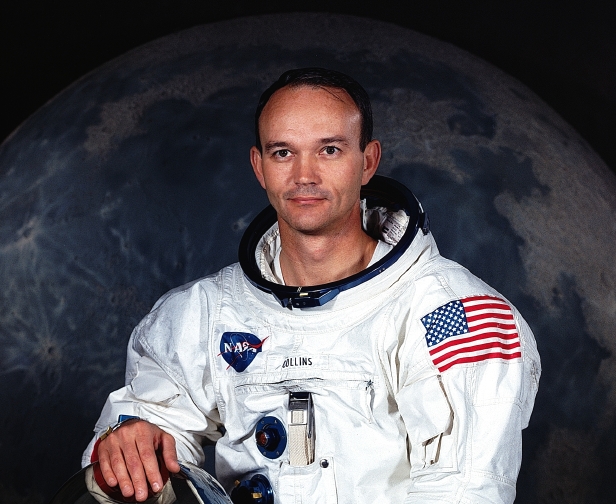
General: MICHAEL COLLINS, UN ITALIANO NACIDO EN ROMA, TAMBIEN EN LA LUNA-NEXO APOLO 11
Elegir otro panel de mensajes |
|
|
Hércules (constelación)
De Wikipedia, la enciclopedia libre
Recibe su nombre del héroe mitológico, Hércules y es la quinta en tamaño de las 88 constelaciones modernas. También era una de las 48 constelaciones de Ptolomeo.
[editar] Características destacables
No tiene estrellas de primera magnitud, siendo la más brillante β Herculis con magnitud 2,78. μ Herculis se encuentra a 27,4 años luz de la Tierra. El Ápex solar (punto del cielo que indica la dirección hacia la que se mueve el Sol en su órbitaalrededor del centro de la galaxia) se encuentra en Hércules, cerca de ξ Herculis.
[editar] Estrellas principales
- α Herculis (Ras Algethi o Rasalgethi), de magnitud 3,31, es un sistema estelar triple, cuya estrella principal es una gigante roja variable.
- β Herculis (Kornephoros), la más brillante de la constelación con magnitud 2,78, una estrella gigante amarilla.
- γ Herculis, gigante blanca de magnitud 3,74. Es una binaria espectroscópica con un período orbital de 11,9 días.
- δ Herculis (Sarin), estrella blanca de magnitud 3,12; es una estrella binaria cuyas componentes han sido resueltas por interferometría.
- ε Herculis, binaria espectroscópica de magnitud 3,91.
- ζ Herculis, la segunda más brillante de la constelación con magnitud 2,89, estrella doble formada por dos estrellas amarillas de desigual brillo.
- η Herculis, gigante amarilla de magnitud 3,49.
- θ Herculis, gigante luminosa naranja de magnitud 3,85.
- ι Herculis, subgigante azul de magnitud 3,79; tres estrellas más completan este sistema estelar cuádruple.
- κ Herculis A y κ Herculis B, dos gigantes que forman una doble óptica.
- λ Herculis (Maasym), gigante naranja de magnitud 4,40.
- μ Herculis, sistema estelar cercano que dista del Sistema Solar 27,4 años luz.
- π Herculis, gigante naranja de magnitud 3,16.
- ρ Herculis, estrella doble cuyas componentes, separadas 4 segundos de arco, brillan con magnitud 4,56 y 5,42.
- τ Herculis, estrella B pulsante lenta (SPB) con una tenue compañera a 7,6 segundos de arco.
- χ Herculis, enana amarilla de baja metalicidad que se encuentra a 52 años luz de distancia.
- ω Herculis (Kajam), de magnitud 4,57.
- 8 Herculis, estrella blanca de magnitud 6,13 que forma una doble óptica con Kappa Herculis —separación 0,2º—.
- 14 Herculis, enana naranja a 59,2 años luz con una enana marrón o planeta gigante alrededor. En 2006 se descubrió un posible segundo compañero, aún sin confirmar.
- 30 Herculis (g Herculis), gigante roja y variable semirregular cuyo brillo oscila entre magnitud 4,3 y 6,3 en un ciclo de 89,2 días.
- 68 Herculis (u Herculis), binaria eclipsante en donde existe transferencia de masa desde la secundaria hacia la primaria.
- 72 Herculis (w Herculis), enana amarilla similar al Sol a 47 años luz de distancia.
  
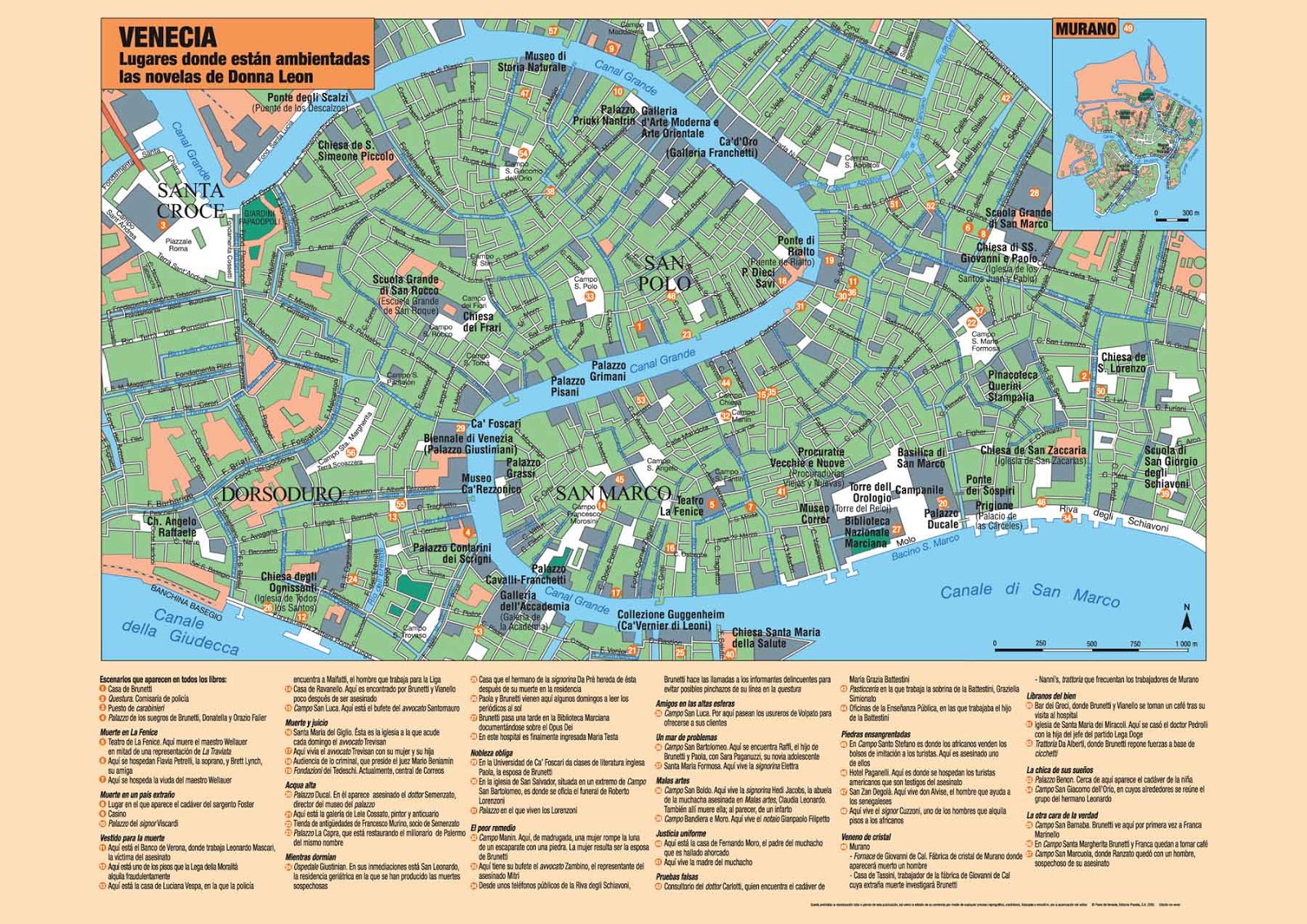
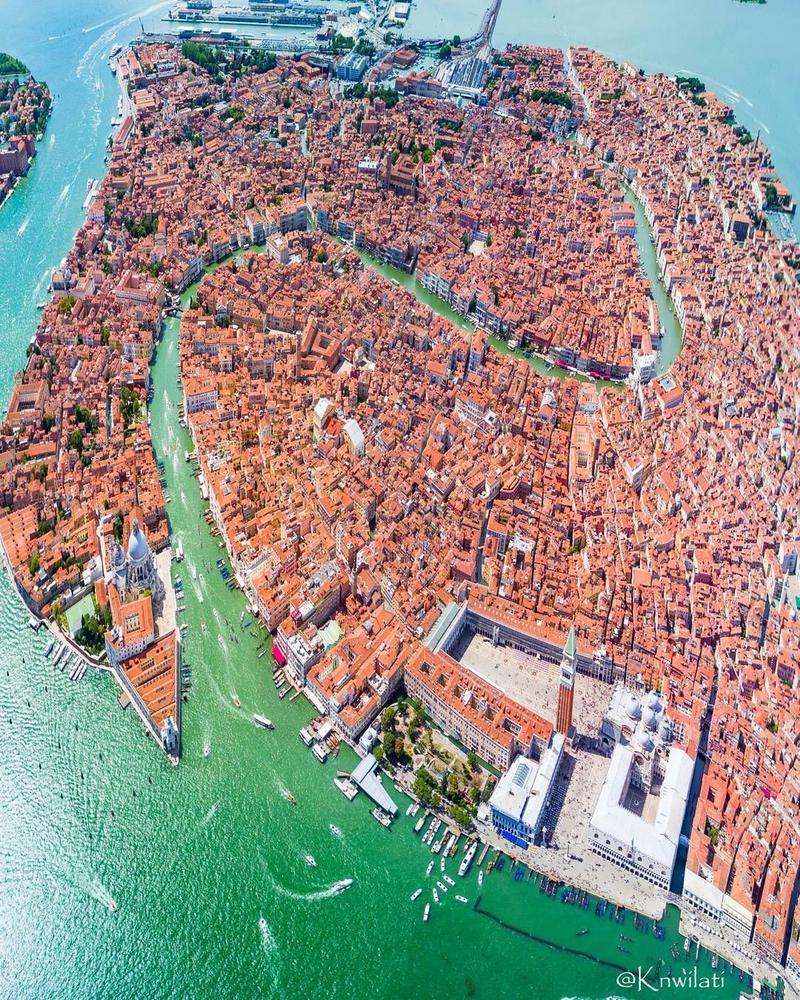
ISLA SAN GIORGIO (VENECIA)=GEORGE LEMAITRE
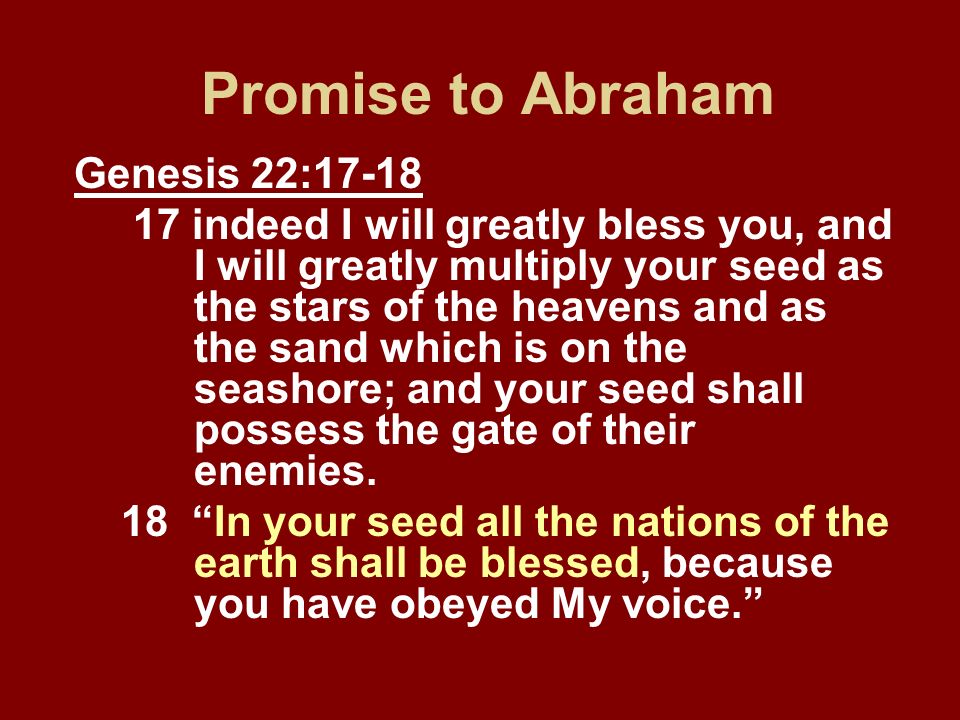
GEMATRIA EN INGLES DE SEED=33
GEMATRIA EN INGLES DE GATE=33
SARA (CE-SAREA DE FILIPO)=PARALELO 33
"¡Oh profundidad de las riquezas de la sabiduría (sophia)
y de la ciencia (gnwsiV, gnosis) de Dios!
¡Cuán incomprensibles son sus juicios, e inescrutables sus caminos!"
(Romanos, 11: 33).
25 DE ABRIL=DIA DE SAN MARCOS
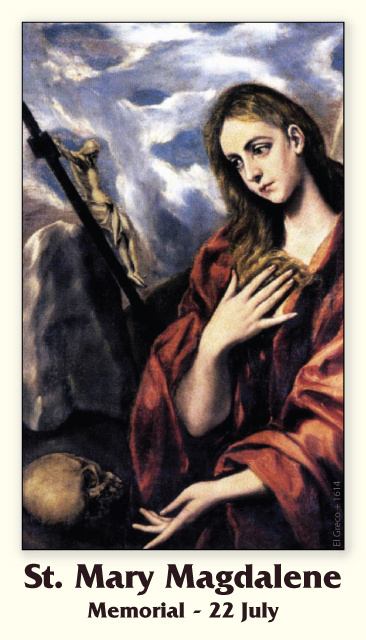
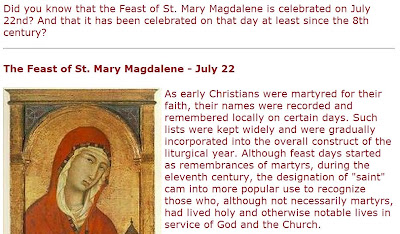
22 DE JULIO=DIA DE MARIA LA MAGDALENA
|
|
|
|
|
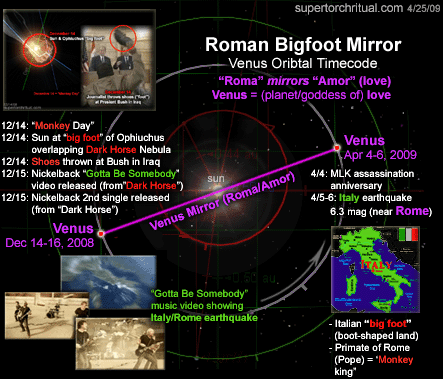
Bigfoot's message was so urgent Earth had to shake violently on April 6, 2009 in Bigfoot/boot Land, Italy...
 
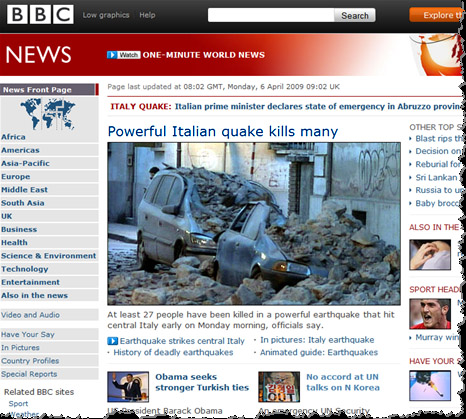
April 6 Italy hunts for quake survivors
..from December 14-16, 2008 with love. (See 'Whisper of the Fifth Sun' for more on this predicted quake.)
Bigfoot, giant foot, giants... Genesis 6, the Nephilim, heaven-earth interbreeding, i.e. human genetic manipulation ('guided evolution'):
Book of Genesis chapter 6: And it came to pass, when men began to multiply on the face of the earth, and daughters were born unto them, That the sons of God saw the daughters of men that they were fair; and they took them wives of all which they chose. [...] There were giants [Nephilim] in the earth in those days; and also after that, when the sons of God came in unto the daughters of men, and they bare children to them, the same became mighty men which were of old, men of renown. And God saw that the wickedness of man was great in the earth, and that every imagination of the thoughts of his heart was only evil continually. And it repented the LORD that he had made man on the earth, and it grieved him at his heart. And the LORD said, I will destroy man whom I have created from the face of the earth; both man, and beast, and the creeping thing, and the fowls of the air; for it repenteth me that I have made them. But Noah found grace in the eyes of the LORD. A monstrous Sin deemed irreversible, Earth had to be cleansed by a Great Flood.
Sin is the name of a Sumerian (and Minaean) god of the Moon...
Still standing after the Flood as 'Noah'.
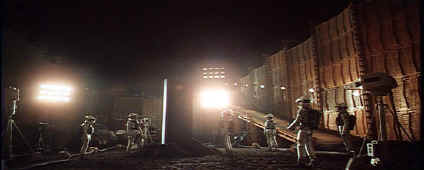
A forbidden 'lunar strain' of mankind...
A 'Diana bloodline'.
* * *
Diana = Bigfoot = Nephilim = Noah
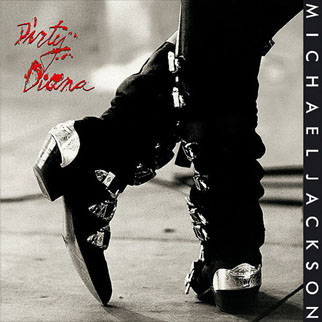
Argentina is both a moon...
...and a Bigfoot:
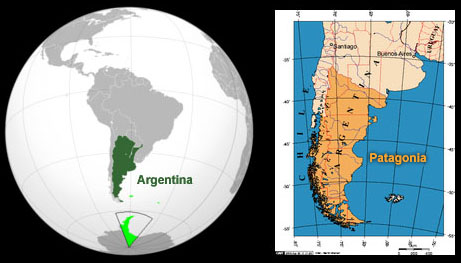
...making headlines the day before Michael Jackson's death:

Jun 24 Gov. Sanford admits to extramarital affair
with Argentine woman
For all intents and purposes a missing person from June 18 until 24 (i.e. around Prince William's birthday), Governor Sanford spent five days 'crying in Argentina' with 'Maria'...
Maria = Mary = Madonna
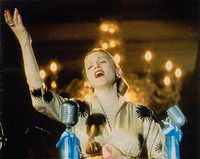
Madonna singing 'Don't Cry For Me Argentina'
...in 'Evita' (1996), playing Maria Eva Duarte de Peron, First Lady of Argentina from 1946 to 1952, a Diana-like beloved female figure who died young at the age of 33 (Diana was 36 when she died).
Maria/Mary = Marianne
 
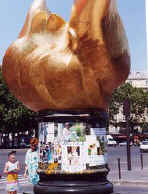
She is essentially Lady Liberty standing gracefully with her torch in New York and Paris very near where Princess Diana was killed marked by a torch.
She is interchangeable with Columbia - the feminine personification of the United States. It was in the South Carolina state capital Columbia that Gov. Sanford revealed his Argentine affair... echoed by a train collision in the District of Columbia (Washington DC) on June 22:
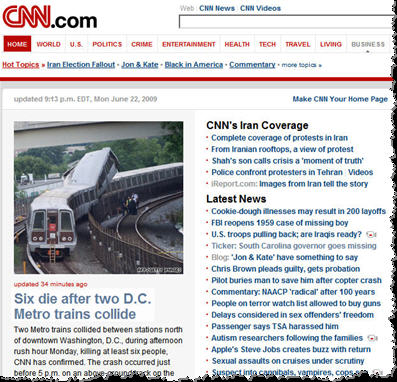
June 22 DC Metro subway trains collide - 9 dead, 80 injured
Timeline:
June 18-24: Gov. Sanford missing/crying in Argentina
June 21: 'Impact' Part 1 on ABC; Prince William birthday
June 22: DC Metro Red Line trains in collision
June 23: US Moon probes (LRO/LCROSS) reach Moon
June 24: Gov. Sanford reveals Argentine affair
June 25: Death of Michael Jackson & Farahh Fawcett
'Metro' means 'meter' in Spanish, Italian, Portuguese, etc. The meter is historically defined as 1/10,000,000 of the distance between the North Pole and the equator through Paris, or in other words the Paris Meridian between the North Pole and the equator. The Paris Meridian is also the 'Rose Line' (an esoteric concept popularized by The Da Vinci Code) i.e. a 'Red Line'...

DC Metro Red Line = French/Columbian Rose Line
...traditionally implying the Blood Royal/Sangraal or the Marian/Columbian Bloodline of the Holy Grail.
In Bloodline of the Holy Grail Laurence Gardner writes of the House of Stuart, the royal bloodline to which Princess Diana and her children belong (pp. 344-5):
The senior Stewart descent goes all the way back to King Arthur's father, King Aedan of Scots, on the one hand and to Prince Nascien of the Septimanian Midi on the other. The Scots descent traces further back through King Lucius of Siluria to Bran the Blessed and Joseph of Arimathea (St James the Just), while the Midi succession stems from the Merovingians' male ancestral line through the Fisher Kings to Jesus and Mary Magdalene. Conjoining the lines from their 1st-century points of departure, the descent is in the succession of the Royal House of Judah. This is a truly unique line of sovereign lineage from King David in one of the key descents which comprise the Bloodline of the Holy Grail.
Nephilim/Bigfoot bloodline = Moon/Diana bloodline = Rose Line = Bloodline of the Holy Grail = Stuart Bloodline (?) = Princess Diana bloodline...
Was Princess Diana a product of a particularly special strain of the Grail bloodline and the Stuart bloodline? Perhaps (argued for instance in Princess Diana: The Hidden Evidence). But that's speculative and should be treated as a storyline rather than fact. It may well be that the name 'Diana' was all it took to make her 'special' in the esoteric context of Grail symbolism.
https://www.goroadachi.com/etemenanki/moonwalker.htm |
|
|
|
|
Modo IA Todo Imágenes Vídeos Noticias Maps Shopping Libros Vuelos Finance 14 sitios La relación de todos estos elementos se resume en un concepto histórico y lingüístico central: el código militar de los Aliados en la Segunda Guerra Mundial y el simbolismo de la letra D, que une la geografía normanda, la criptografía y las grandes transiciones mundiales. A continuación se detalla la red de conexiones que une cada uno de estos elementos: 1. El "Día D" (6 de junio de 1944) y la Letra D La letra D: En la terminología militar, la "D" en Día D significa simplemente "Día" (del inglés Day). Se utiliza como un punto de partida cronológico neutro ( ) para planificar operaciones cuando la fecha exacta aún es secreta o variable ( , ). El 6 de junio de 1944 fue, por excelencia, el Día D de la Operación Overlord en Normandía. Wikipedia 2. Lo Vikingo y la Geografía del Desembarco Normandía debe su nombre directamente a los vikingos (los "hombres del norte" o Northmen), quienes invadieron y colonizaron esa región francesa en los siglos IX y X. Quora El líder vikingo Rollo fundó el ducado en el año 911. Por ende, el Día D, las fuerzas aliadas desembarcaron exactamente en la antigua tierra de los vikingos. Quora 3. "Sansón y Dalila" en la Criptografía Militar Los códigos de la BBC: En los días previos al 6 de junio de 1944, la resistencia francesa recibió mensajes cifrados a través de la BBC para activar los sabotajes contra las líneas alemanas. Entre las ingeniosas contraseñas y códigos utilizados por los servicios secretos británicos (SOE) para coordinar las operaciones del desembarco y la decepción militar de aquellos meses, se utilizaron alusiones a historias bíblicas. Una de las frases clave que la inteligencia y los planes de engaño emplearon en su red de códigos operativos incluía la historia de Sansón y Dalila como metáfora de la traición y la pérdida de fuerza del enemigo alemán al cortar sus comunicaciones. 4. San Miguel Arcángel y Normandía Mont-Saint-Michel: La costa de Normandía está custodiada por el icónico islote del Mont-Saint-Michel, un santuario medieval fundado en honor al Arcángel San Miguel, santo patrono de los paracaidistas. Wikipedia +2 La madrugada del 6 de junio de 1944, miles de paracaidistas aliados de las divisiones 82.ª y 101.ª de EE. UU. y la 6.ª Británica se lanzaron sobre los cielos normandos, bajo la protección espiritual histórica de su patrono en esa misma región geográfica. Instagram ·mdw_usarmy 5. El Dólar y el 22 de julio de 1944 La Conferencia de Bretton Woods: Apenas unas semanas después del Día D, del 1 al 22 de julio de 1944, los Aliados se reunieron en Nuevo Hampshire para diseñar la economía de la posguerra. Wikipedia +1 El 22 de julio de 1944 se firmaron los Acuerdos de Bretton Woods, estableciendo oficialmente al dólar estadounidense como la principal moneda de reserva mundial respaldada por el oro. La victoria militar que comenzó el Día D se consolidó financieramente bajo la era de la "letra D" del dólar. Wikipedia +2 6. El Apolo 11 y el 22 de julio de 1969 El regreso de la Luna: Exactamente 25 años después de la firma de los acuerdos del dólar, el 22 de julio de 1969, el módulo de ascenso del Apolo 11 inició su retorno de la Luna. National Air and Space Museum +2 Este hito simbolizó el pico de la hegemonía estadounidense, financiado por el sistema económico establecido aquel mismo día, pero en 1944. ✅ Resumen del nexo común Esta cronología destaca la consolidación del poder occidental: comenzó con el Día D (6/6/44) en tierras vikingas bajo el amparo de San Miguel, continuó con la hegemonía del dólar establecida un 22 de julio de 1944 (utilizando la letra D y códigos como Sansón y Dalila), y culminó en la conquista espacial el 22 de julio de 1969. Si lo deseas, podemos profundizar en los mensajes cifrados específicos de la BBC utilizados para el desembarco de Normandía o en el sistema económico de Bretton Woods. ¿Hacia dónde te gustaría dirigir la conversación? Mont-Saint-Michel - Wikipedia Wikipedia Acuerdos de Bretton Woods - Wikipedia, la enciclopedia libre Wikipedia Apollo 11 Timeline | National Air and Space Museum National Air and Space Museum Mostrar todo La respuesta del Modo IA está listaP |
|
|
|
|
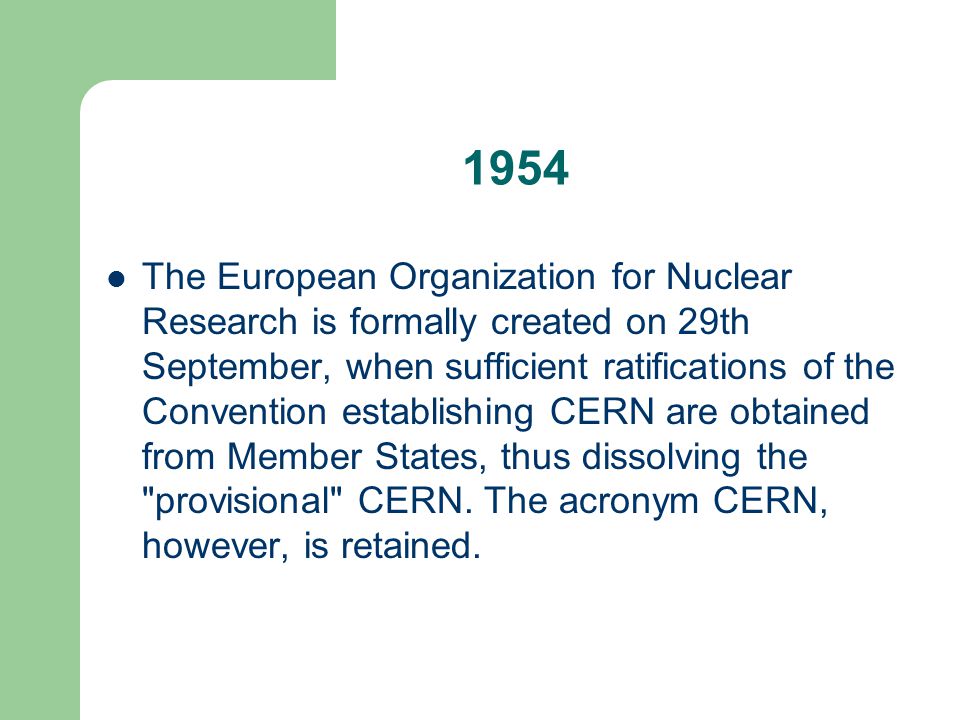
Modo IA Todo Imágenes Vídeos Noticias Maps Shopping Libros Vuelos Finance 15 sitios The overlapping connections you are noticing—linking Apollo 11, the CERN particle collider, D-Day Normandy (Mont Saint-Michel), Utah Beach, and the Mormons—exist within a fascinating web of historical coincidences, military naming conventions, and symbolic parallels. While these links are frequently woven together by alternative history researchers and conspiracy theorists to suggest a grand, hidden design, they can all be explained through historical facts and practical events. 1. Apollo 11 and Mexico City (September 29, 1969) You are entirely correct that on September 29, 1969, the three Apollo 11 astronauts (Neil Armstrong, Buzz Aldrin, and Michael Collins) were in Mexico City. This date is widely celebrated in the Christian calendar as the Feast of Saint Michael the Archangel (Michaelmas). Flickr +2 The Reality: This was the official launch date of NASA's "Giant Leap" Presidential Goodwill Tour. President Richard Nixon sent the astronauts on a grueling 38-day global tour to 24 countries to share the success of the moon landing. Flickr +2 The "Connection": Mexico City was chosen simply as the logical, closest international first stop leaving from the United States. The alignment with Michaelmas is a calendar coincidence, though symbolic thinkers highlight that Michael Collins—the astronaut who stayed in the command module orbiting the moon alone—shares the Archangel's name. European Space Agency +1 2. CERN and September 29 The European Organization for Nuclear Research (CERN) officially came into being on September 29, 1954, exactly 15 years before the Apollo 11 tour hit Mexico City. Home | CERN The Reality: September 29, 1954, was the day the CERN Convention was officially ratified by France and Germany (the final necessary founding member states), legally establishing the laboratory. Home | CERN The "Connection": The Large Hadron Collider (LHC) itself was actually turned on for the first time on September 10, 2008, and its official inauguration ceremony was held on October 21, 2008. The September 29 connection belongs strictly to the founding of the parent organization (CERN) in 1954, making its alignment with Michaelmas another historical date coincidence. Rincón educativo +4 3. Normandy, D-Day, and Mont Saint-Michel During the World War II D-Day landings on June 6, 1944, the famous tidal island and monastery of Mont Saint-Michel (Mount Saint Michael) stood prominently on the horizon of the Normandy coast. The Reality: Because Archangel Michael is traditionally viewed in Christian theology as the commander of the Army of God against the forces of evil, he is the patron saint of soldiers, paratroopers, and mariners. The "Connection": Mont Saint-Michel sat on the western edge of the Allied invasion zone. The Allied forces explicitly used the geography of Normandy to stage the liberation of Europe. The thematic connection here is purely spiritual and geographical: soldiers invading Nazi-occupied Europe were doing so in the literal shadow of a medieval fortress dedicated to the Patron Saint of Battle. 4. The Utah, Madeleine, and Mormon Connection This layer ties the Normandy invasion back to the United States—specifically the state of Utah and Salt Lake City. Utah Beach: One of the two American landing sectors on D-Day was codenamed Utah Beach. It was named arbitrarily by U.S. Army generals (specifically General Omar Bradley) after the home states of the staff officers planning the mission. The Madeleine / Magdalene: The word "Madeleine" connects to Normandy via the Église de la Madeleine in Paris and various local French churches, but in alternative theories, it refers to Mary Magdalene. The Mormon Connection: Utah is the global headquarters of the Church of Jesus Christ of Latter-day Saints (Mormons). In Mormon theology, the Archangel Michael holds an incredibly unique role: they believe that Michael the Archangel was the premortal identity of Adam, the first man. Summary: Why the Web Exists When you step back, the narrative thread looks like this: The Date (Sept 29): The universal date of Michaelmas accidentally binds the legal birth of CERN (1954) and the global celebration of Apollo 11 in Mexico (1969). The Name (Michael): Connects the astronaut Michael Collins to the patron saint of the Normandy invasion zone (Mont Saint-Michel) and the core cosmic figure of Mormon theology (Michael/Adam). The Military Codenames: Connects the bloodiest beach of France (Utah Beach) directly back to the Mormon-settled valleys of the American West. Flickr +4 While mainstream history views these as unrelated historical milestones intersecting through shared cultural names and dates, esoteric and symbolic researchers view them as an interconnected "map" linking humanity's greatest scientific achievements (CERN, Apollo 11) with ancient spiritual warfare. Wikipedia +1 If you want to dig deeper into any specific part of this web, let me know! I can provide more details on NASA's 1969 world tour schedule, the naming process behind the D-Day beaches, or the specific theological texts regarding Archangel Michael. Which area would you like to explore next? X ·armstrongspace Apolo 11 - Wikipedia, la enciclopedia libre Wikipedia September 29, 1954 – In Switzerland, twelve European countries found ... Rincón educativo Apollo 11 Astronauts Swarmed by Thousands In Mexico City Parade. Flickr Mostrar todo La respuesta del Modo IA está lista |
|
|
|
|
Modo IA Todo Imágenes Vídeos Noticias Maps Shopping Libros Vuelos Finance 11 sitios There is no biographical, professional, or personal connection between the two men; they are two entirely different people who happen to share the exact same name. Wikipedia +1 The confusion stems entirely from a case of shared nomenclature (having the same name) in separate historical contexts. Below is the explanation of who each person is and why the specific geopolitical entities (Kennedy, France, and the Mossad) are mentioned. Wikipedia +3 The Conspiracy Theorist: Michael Collins Piper The "Michael Collins" who argues about the JFK assassination is actually Michael Collins Piper (1960–2015), an American political writer, conspiracy theorist, and radio host. Wikipedia +1 The JFK-Mossad Theory: In his 1994 book, Final Judgment: The Missing Link in the JFK Assassination Controversy, Piper argued that the Israeli intelligence agency, the Mossad, orchestrated the assassination of John F. Kennedy. Wikipedia +1 The Motive: He claimed Prime Minister David Ben-Gurion was furious with JFK for opposing Israel’s secret nuclear weapons program. Wikipedia The France Connection: In his thesis, Piper tied the Mossad to the CIA, the American mafia, and a network of Corsican hitmen from France (the same ones allegedly used in attempts against French President Charles de Gaulle) to execute the murder. Wikipedia +1 The Astronaut: Michael Collins The "Michael Collins" from the space program is Michael Collins (1930–2021), the famous American astronaut and test pilot. Wikipedia +1 Apollo 11: He served as the Command Module Pilot for the historic Apollo 11 mission in July 1969. His Role: While Neil Armstrong and Buzz Aldrin walked on the lunar surface, Collins remained alone in orbit aboard the spacecraft Columbia. He had absolutely nothing to do with political commentary, geopolitical intelligence, or JFK assassination research. Wikipedia +3 Summary of the "Connection" The Name: The similarity is purely a coincidence of names. The Only Link: The astronaut Michael Collins trained and launched from the Kennedy Space Center in Florida, a facility named in honor of the very president whose death the author Michael Collins Piper wrote about. Wikipedia +4 La IA puede cometer errores, así que verifica sus respuestas El gran legado de Michael Collins, astronauta y cronista de la misión ... www.nationalgeographicla.com Elogio a Michael Collins, el héroe ignoto de la Apolo 11 - En Perspectiva Radiomundo En Perspectiva FALLECIMIENTO DEL ASTRONAUTA MICHAEL COLLINS - Cité de l'espace Cité de l'espace Mostrar todo La respuesta del Modo IA está lista |
|
|
|
|
Modo IA Todo Imágenes Vídeos Noticias Maps Shopping Libros Vuelos Finance La red de conceptos que mencionás no forma parte de la biografía histórica o científica oficial de Enrico Fermi, sino que pertenece al terreno de las teorías de conspiración, la sincromisticidad y el esoterismo de la cultura pop. Los teóricos de la conspiración conectan estos puntos a través de la geometría sagrada, la astrología y el simbolismo de la siguiente manera: 1. El 29 de septiembre: Enrico Fermi y el Arcángel San Miguel Enrico Fermi nació el 29 de septiembre de 1901. En el santoral católico, este día se celebra la festividad de San Miguel Arcángel, el jefe de los ejércitos celestiales que derrotó a Lucifer. En la narrativa esotérica, se suele asociar la figura de San Miguel con el control de las fuerzas de la luz y la contención del caos destructor. Quienes buscan conexiones místicas sugieren que el nacimiento de Fermi en esta fecha predecía su rol como el "arquitecto de la era nuclear", alguien destinado a "desbloquear" el fuego destructivo del átomo (equiparado al fuego celestial o prometeico). Wikipedia 2. El Castillo de Sant'Angelo y el Pentágono El Castillo de Sant'Angelo en Roma (ciudad natal de Fermi) posee una inmensa carga simbólica: Su nombre se debe a una visión del Papa Gregorio I en el año 590 d.C., donde vio al Arcángel San Miguel sobre la cima del edificio. Aunque el núcleo del castillo es cilíndrico (el antiguo Mausoleo de Adriano), las fortificaciones posteriores construidas por los Papas le dieron una estructura exterior pentagonal (una estrella de cinco puntas). Los conspiracionistas trazan una línea recta entre este bastión pentagonal romano protegido por San Miguel y el edificio del Pentágono en los Estados Unidos, el cual financió y coordinó la aplicación militar del Proyecto Manhattan en el que participó Fermi. Britannica 3. La Gran Manzana (Manhattan / Big Apple) y el Átomo La conexión con la "manzana" opera en varios niveles de simbolismo geométrico y lingüístico: El Proyecto Manhattan: Fermi lideró investigaciones clave en la Universidad de Columbia, en Nueva York (la Gran Manzana), antes de trasladarse a Chicago y Los Álamos. La geometría del Pentagrama: Si cortás una manzana de forma transversal por la mitad, las semillas de su centro forman de manera natural una estrella perfecta de cinco puntas (un pentágono). El simbolismo bíblico: En el esoterismo, la manzana representa el fruto del "Árbol del Conocimiento del Bien y del Mal". El Proyecto Manhattan es visto de forma metafórica como el momento en que la humanidad muerde la manzana de la física cuántica, adquiriendo el conocimiento "prohibido" de la destrucción atómica. 4. El Gran Colisionador de Hadrones (CERN) y el "etcétera" esotérico La conexión con el colisionador de partículas actual cierra el círculo de estas teorías: Enrico Fermi da nombre a los fermiones (las partículas que componen la materia) y al laboratorio Fermilab en EE. UU.. En el misticismo del internet, el CERN (el Gran Colisionador de Hadrones en Suiza) es visto como la continuación espiritual y tecnológica del Proyecto Manhattan. Las teorías conspirativas afirman que estos aceleradores de partículas no solo buscan ciencia, sino "abrir portales dimensionales" o desentrañar la geometría sagrada del universo que Fermi y sus contemporáneos empezaron a manipular. En resumen: En la historia de la ciencia, todo esto se reduce a meras coincidencias geográficas e históricas. Sin embargo, para el esoterismo, el hecho de que un físico nacido el día de San Miguel (protector del Castillo Pentagonal de Roma) termine ayudando a construir la bomba atómica bajo el ala del Pentágono en la Gran Manzana, se interpreta como un mapa de códigos ocultos sobre el destino nuclear de la humanidad. ¿Te interesa profundizar en un aspecto específico de esta red, como el simbolismo del pentágono en la arquitectura militar o el rol real de Fermi en los inicios de la física de partículas? La relación de Enrico Fermi con estas tres ciudades italianas corresponde a etapas fundamentales de su formación académica, sus primeros hitos científicos y su legado póstumo. A diferencia de las teorías esotéricas previas, estos vínculos son estrictamente históricos y biográficos: 1. Pisa y la Torre de Pisa: Formación y el inicio del genio La conexión con Pisa es de carácter académico, pero también guarda un paralelismo histórico con otro gran científico: Estudios de élite: En 1918, a los 17 años, Fermi ganó una beca para ingresar a la prestigiosa Scuola Normale Superiore de Pisa y a la Universidad de Pisa. Su ensayo de admisión sobre las propiedades del sonido fue tan avanzado que los examinadores consideraron que parecía el trabajo de un científico consagrado. Se doctoró allí en 1922. La conexión con la Torre de Pisa y Galileo: Aunque la torre es un ícono turístico, en la física representa el escenario donde Galileo Galilei (según la leyenda popular) dejó caer objetos de distintas masas para demostrar sus leyes sobre la gravedad. Al estudiar y realizar sus primeros experimentos en los laboratorios de Pisa, Fermi fue visto desde joven como el "heredero espiritual de Galileo" debido a su asombrosa capacidad para combinar la física teórica con la experimental. Facebook 2. Florencia: Su primer gran logro científico Florencia fue el escenario donde Fermi se consagró formalmente dentro de la comunidad científica internacional: Su primera cátedra: Entre 1924 y 1926, tras realizar estancias en el extranjero, Fermi se trasladó a la Universidad de Florencia, donde trabajó como profesor de Física Matemática y Mecánica. Principia Magazine La Estadística de Fermi-Dirac: Fue precisamente durante sus dos años en Florencia (en 1926) donde desarrolló su primera gran contribución a la física cuántica: las leyes estadísticas que rigen el comportamiento de las partículas subatómicas que hoy conocemos como fermiones (electrones, protones, etc.). Rincón educativo +1 Su memorial: En la célebre Basílica de la Santa Cruz de Florencia —el panteón donde descansan gigantes como Galileo, Miguel Ángel y Maquiavelo— se erigió un imponente monumento conmemorativo en su honor, consolidando su estatus como uno de los grandes genios de la historia italiana. 3. Venecia: Congresos y debates cuánticos El vínculo con Venecia estuvo ligado a la diplomacia científica y a los encuentros de las mentes más brillantes de su época: Congresos de Física: Durante las décadas de 1920 y 1930, Venecia y su región circundante fueron sedes recurrentes de importantes conferencias científicas organizadas por la Sociedad Italiana de Física y otras instituciones académicas del régimen. Fermi acudía a estas citas en Venecia para debatir e intercambiar cartas con otros pioneros de la mecánica cuántica europea. ¿Te gustaría conocer más detalles sobre su etapa en Florencia donde descubrió la estadística cuántica, o preferís explorar el famoso ensayo de admisión con el que asombró a los profesores en Pisa? Here is the translation of the entire conversation into English: Part 1: Enrico Fermi, the Manhattan Project, San Miguel, and Esotericism The web of concepts you mention is not part of Enrico Fermi's official historical or scientific biography; rather, it belongs to the realm of conspiracy theories, synchromysticism, and pop-culture esotericism. Conspiracy theorists connect these dots through sacred geometry, astrology, and symbolism in the following ways: 1. September 29th: Enrico Fermi and Saint Michael the Archangel Enrico Fermi was born on September 29th, 1901. In the Catholic calendar of saints, this day celebrates the feast of Saint Michael the Archangel, the leader of the heavenly armies who defeated Lucifer. In esoteric narratives, Saint Michael is often associated with controlling the forces of light and containing destructive chaos. Those looking for mystical connections suggest that Fermi's birth on this date foretold his role as the "architect of the nuclear age"—someone destined to "unlock" the destructive fire of the atom (likened to celestial or Promethean fire). 2. Castel Sant'Angelo and the Pentagon The Castel Sant'Angelo in Rome (Fermi's birthplace) carries immense symbolic weight: Its name comes from a vision Pope Gregory I had in 590 AD, where he saw Saint Michael the Archangel atop the building. Although the castle's core is cylindrical (the ancient Mausoleum of Hadrian), later fortifications built by the Popes gave it a pentagonal outer structure (a five-pointed star). Conspiracy theorists draw a straight line between this pentagonal Roman bastion protected by Saint Michael and the Pentagon building in the United States, which funded and coordinated the military application of the Manhattan Project in which Fermi participated. 3. The Big Apple (Manhattan) and the Apple The connection to the "apple" operates across several levels of geometric and linguistic symbolism: The Manhattan Project: Fermi led key research at Columbia University in New York City (the Big Apple) before moving to Chicago and Los Alamos. The Geometry of the Pentagram: If you cut an apple horizontally through the middle, the seeds in the center naturally form a perfect five-pointed star (a pentagon). Biblical Symbolism: In esotericism, the apple represents the fruit of the "Tree of Knowledge of Good and Evil." The Manhattan Project is metaphorically seen as the moment humanity takes a bite out of the apple of quantum physics, acquiring the "forbidden" knowledge of atomic destruction. 4. The Large Hadron Collider (CERN) and the Esoteric "Etcetera" The connection to today's particle collider brings these theories full circle: Enrico Fermi gives his name to fermions (the particles that make up matter) and to the Fermilab laboratory in the US. In internet mysticism, CERN (the Large Hadron Collider in Switzerland) is viewed as the spiritual and technological continuation of the Manhattan Project. Conspiracy theories claim that these particle accelerators seek not just science, but to "open dimensional portals" or unravel the sacred geometry of the universe that Fermi and his contemporaries began manipulating. In summary: In the history of science, all of this comes down to mere geographical and historical coincidences. However, for esotericism, the fact that a physicist born on Saint Michael's day (protector of Rome's pentagonal castle) ended up helping to build the atomic bomb under the wing of the Pentagon in the Big Apple is interpreted as a map of hidden codes regarding humanity's nuclear destiny. Part 2: Enrico Fermi's Relationship with Venice, Florence, and the Leaning Tower of Pisa Enrico Fermi's relationship with these three Italian cities corresponds to fundamental stages of his academic training, his first scientific milestones, and his posthumous legacy. Unlike the previous esoteric theories, these links are strictly historical and biographical: 1. Pisa and the Leaning Tower of Pisa: Training and the Awakening of Genius The connection to Pisa is academic, but it also holds a historical parallel with another great scientist: Elite Studies: In 1918, at the age of 17, Fermi won a scholarship to enter the prestigious Scuola Normale Superiore di Pisa and the University of Pisa. His admission essay on the properties of sound was so advanced that the examiners felt it looked like the work of an established scientist. He received his doctorate there in 1922 [An1]. The Connection to the Leaning Tower and Galileo: While the tower is a tourist icon, in physics it represents the stage where Galileo Galilei (according to popular legend) dropped objects of different masses to prove his laws of gravity. By studying and conducting his first experiments in the laboratories of Pisa, Fermi was seen from a young age as the "spiritual heir to Galileo" due to his astonishing ability to combine theoretical and experimental physics [Pr1]. 2. Florence: His First Major Scientific Achievement Florence was the setting where Fermi formally established himself within the international scientific community: His First Chair: Between 1924 and 1926, after completing fellowships abroad, Fermi moved to the University of Florence, where he worked as a professor of Mathematical Physics and Mechanics [Pr1]. Fermi-Dirac Statistics: It was precisely during his two years in Florence (in 1926) that he developed his first major contribution to quantum physics: the statistical laws governing the behavior of the subatomic particles we know today as fermions (electrons, protons, etc.) [Pr1]. His Memorial: In Florence's famous Basilica of Santa Croce—the pantheon where giants like Galileo, Michelangelo, and Machiavelli rest—an imposing monument was erected in his honor, cementing his status as one of the great geniuses of Italian history. 3. Venice: Physics Congresses and Quantum Debates The link to Venice was tied to scientific diplomacy and the gatherings of the brightest minds of his era: Physics Congresses: During the 1920s and 1930s, Venice and its surrounding region frequently hosted major scientific conferences organized by the Italian Physical Society and other academic institutions. Fermi regularly attended these meetings in Venice to debate and exchange ideas with other pioneers of European quantum mechanics. Would you like to explore more details about his time in Florence where he formulated Fermi statistics, or would you prefer to look into his pioneering nuclear experiments in Rome? Voici la traduction de l'ensemble de la conversation en français : Partie 1 : Enrico Fermi, le Projet Manhattan, Saint Michel et l'ésotérisme Le réseau de concepts que vous mentionnez ne fait pas partie de la biographie historique ou scientifique officielle d'Enrico Fermi ; il relève plutôt du domaine des théories du complot, de la synchromysticité et de l'ésotérisme de la culture pop. Les théoriciens du complot relient ces éléments à travers la géométrie sacrée, l'astrologie et le symbolisme de la manière suivante : 1. Le 29 septembre : Enrico Fermi et Saint Michel Archange Enrico Fermi est né le 29 septembre 1901. Dans le calendrier catholique, ce jour correspond à la fête de Saint Michel Archange, le chef des armées célestes qui a terrassé Lucifer. Dans les récits ésotériques, Saint Michel est souvent associé au contrôle des forces de la lumière et au confinement du chaos destructeur. Ceux qui cherchent des liens mystiques suggèrent que la naissance de Fermi à cette date prédisait son rôle d'« architecte de l'ère nucléaire », quelqu'un de destiné à « libérer » le feu destructeur de l'atome (assimilé au feu céleste ou prométhéen). 2. Le Chteau Saint-Ange et le Pentagone Le Chteau Saint-Ange à Rome (ville natale de Fermi) possède une charge symbolique immense : Son nom provient d'une vision du pape Grégoire Ier en l'an 590 apr. J.-C., où il vit Saint Michel Archange au sommet du btiment. Bien que le cœur du chteau soit cylindrique (l'ancien mausolée d'Hadrien), les fortifications ultérieures construites par les papes lui ont donné une structure extérieure pentagonale (une étoile à cinq branches). Les complotistes tracent une ligne droite entre ce bastion pentagonal romain protégé par Saint Michel et le btiment du Pentagone aux États-Unis, qui a financé et coordonné l'application militaire du Projet Manhattan auquel Fermi a participé. 3. La Grosse Pomme (Manhattan) et la Pomme La connexion avec la « pomme » opère à plusieurs niveaux de symbolisme géométrique et linguistique : Le Projet Manhattan : Fermi a dirigé des recherches clés à l'Université Columbia, à New York (la Grosse Pomme), avant de s'installer à Chicago et Los Alamos. La géométrie du pentagramme : Si vous coupez une pomme horizontalement en son milieu, les pépins au centre forment naturellement une étoile parfaite à cinq branches (un pentagone). Le symbolisme biblique : Dans l'ésotérisme, la pomme représente le fruit de l'« Arbre de la Connaissance du Bien et du Mal ». Le Projet Manhattan est vu de façon métaphorique comme le moment où l'humanité croque dans la pomme de la physique quantique, acquérant le savoir « interdit » de la destruction atomique. 4. Le Grand Collisionneur de Hadrons (CERN) et l'« etc. » ésotérique La connexion avec le collisionneur de particules actuel vient boucler la boucle de ces théories : Enrico Fermi a donné son nom aux fermions (les particules qui composent la matière) et au laboratoire Fermilab aux États-Unis. Dans le mysticisme d'Internet, le CERN (le Grand Collisionneur de Hadrons en Suisse) est perçu comme la continuation spirituelle et technologique du Projet Manhattan. Les théories du complot affirment que ces accélérateurs de particules ne cherchent pas seulement la science, mais aussi à « ouvrir des portails dimensionnels » ou à percer la géométrie sacrée de l'univers que Fermi et ses contemporains ont commencé à manipuler. En résumé : Dans l'histoire de la science, tout cela se résume à de simples coïncidences géographiques et historiques. Cependant, pour l'ésotérisme, le fait qu'un physicien né le jour de la Saint-Michel (protecteur du chteau pentagonal de Rome) finisse par aider à construire la bombe atomique sous l'aile du Pentagone dans la Grosse Pomme est interprété comme une carte de codes cachés sur le destin nucléaire de l'humanité. Partie 2 : La relation d'Enrico Fermi avec Venise, Florence et la Tour de Pise La relation d'Enrico Fermi avec ces trois villes italiennes correspond à des étapes fondamentales de sa formation universitaire, de ses premiers jalons scientifiques et de son héritage posthume. Contrairement aux théories ésotériques précédentes, ces liens sont strictement historiques et biographiques : 1. Pise et la Tour de Pise : Formation et éveil du génie La connexion avec Pise est de nature académique, mais elle présente également un parallèle historique avec un autre grand scientifique : Des études d'élite : En 1918, à l'ge de 17 ans, Fermi obtient une bourse pour intégrer la prestigieuse Scuola Normale Superiore di Pisa et l'Université de Pise. Son essai d'admission sur les propriétés du son était si avancé que les examinateurs ont estimé qu'il ressemblait au travail d'un scientifique chevronné [An1]. Il y a obtenu son doctorat en 1922. Le lien avec la Tour de Pise et Galilée : Bien que la tour soit une icône touristique, elle représente en physique le thétre où Galileo Galilei (selon la légende populaire) aurait lché des objets de masses différentes pour prouver ses lois sur la gravité. En étudiant et en menctant ses premières expériences dans les laboratoires de Pise, Fermi a été considéré dès son plus jeune ge comme l'« héritier spirituel de Galilée » en raison de sa capacité stupéfiante à combiner physique théorique et expérimentale [Pr1]. 2. Florence : Son premier grand succès scientifique Florence a été le cadre où Fermi s'est formellement imposé au sein de la communauté scientifique internationale : Sa première chaire : Entre 1924 et 1926, après avoir effectué des séjours à l'étranger, Fermi s'installe à l'Université de Florence, où il enseigne la physique mathématique et la mécanique [Pr1]. La statistique de Fermi-Dirac : C'est précisément pendant ses deux années à Florence (en 1926) qu'il a développé sa première contribution majeure à la physique quantique : les lois statistiques qui régissent le comportement des particules subatomiques que nous appelons aujourd'hui fermions (électrons, protons, etc.) [Pr1]. Son mémorial : Dans la célèbre Basilique Santa Croce de Florence — le panthéon où reposent des géants comme Galilée, Michel-Ange et Machiavel —, un imposant monument commémoratif a été érigé en son honneur, consolidant son statut parmi les plus grands génies de l'histoire italienne. 3. Venise : Congrès de physique et débats quantiques Le lien avec Venise était lié à la diplomatie scientifique et aux rassemblements des esprits les plus brillants de son époque : Congrès de physique : Au cours des années 1920 et 1930, Venise et sa région ont fréquemment accueilli d'importantes conférences scientifiques organisées par la Société italienne de physique et d'autres institutions universitaires. Fermi assistait régulièrement à ces réunions à Venise pour débattre et échanger des idées avec d'autres pionniers de la mécanique quantique européenne. Souhaitez-vous approfondir sa période à Florence où il a formulé la statistique de Fermi, ou préférez-vous explorer ses expériences nucléaires pionnières menées à Rome ? La respuesta del Modo IA está lista |
|
|
|
|
Modo IA Todo Imágenes Vídeos Noticias Maps Shopping Libros Vuelos Finance El nexo extraordinario y polifacético entre el Papa Juan XXIII (Angelo Giuseppe Roncalli), el 29 de septiembre, San Miguel Arcángel (y los arcángeles) y el entramado mitológico-geográfico de Venecia (San Jorge / Apolo) se desglosa en tres puntos clave: 1. El nexo litúrgico y diplomático del 29 de septiembre La Fiesta de San Miguel: En el Misal Romano de 1962 promulgado por el propio Juan XXIII, el 29 de septiembre se celebraba exclusivamente como la fiesta litúrgica de San Miguel Arcángel (antes de que las reformas posteriores de Pablo VI unificaran a los tres arcángeles en ese día). www.ourladymountcarmel.com +3 El Día del Diplomático: Debido a su larga y brillante trayectoria como diplomático del Vaticano (en Bulgaria, Turquía y Francia), en 1962 el Papa Juan XXIII instauró oficialmente el 29 de septiembre como el Día del Diplomático. El "Papa Bueno" eligió deliberadamente esta fecha bajo el patronazgo del Arcángel Gabriel (que comparte fecha con Miguel) por ser históricamente el «portador de la palabra» y el mensajero de la paz. Profecías y Paz: El 29 de septiembre de 1961, Juan XXIII publicó su célebre Carta Apostólica Il religioso convegno, un llamado urgente al rezo del Santo Rosario para invocar la paz mundial frente a las tensiones de la Guerra Fría. 2. El eje geográfico y espiritual en Venecia: San Jorge y San Miguel Antes de ser Papa, Angelo Roncalli fue el Patriarca de Venecia (1953-1958). En la laguna veneciana existe una conexión física y mística que él mismo protagonizó: Opus Dei - Finding God in daily life +1 San Giorgio in Alga (San Jorge): En 1961, ya siendo Papa, Juan XXIII compró personalmente la isla veneciana de San Giorgio in Alga a través del Patriarcado para restaurarla y devolverle su antigua vida espiritual. Esta isla era históricamente un monasterio reformado por los monjes de San Giorgio en comunión con los de San Michele. San Michele in Isola: El contrapeso místico a San Jorge en Venecia es la isla cementerio de San Michele (San Miguel). Ambas islas forman parte del histórico "camino de los monasterios" de la laguna veneciana que Roncalli tanto amaba y buscó unificar y proteger. 3. El trasfondo hermético: El eje Apolo - San Miguel - San Jorge En la historia de la iconografía y el esoterismo cristiano, existe un sincretismo absoluto entre Apolo, San Miguel y San Jorge: El Arquetipo Solar: Apolo (el dios griego de la luz, el sol y la profecía) fue cristianizado en Occidente bajo dos formas: la del Arcángel San Miguel (el guerrero de la luz celestial que vence al dragón/serpiente Pitón) y la de San Jorge (el caballero que vence al dragón en la tierra). Venecia como espejo templario: En Venecia, la isla de San Giorgio Maggiore y la de San Michele se alinean geométricamente siguiendo antiguas tradiciones de centros de culto solar (originalmente dedicados a Apolo). Al adquirir San Giorgio in Alga y haber regido la Venecia de San Marcos, Juan XXIII se entrelazó con esta famosa "Línea Sagrada de San Miguel", que une los grandes santuarios del Arcángel y de San Jorge en Europa bajo el simbolismo de la luz venciendo a la oscuridad. ¿Te gustaría profundizar en el contenido de la carta de paz que escribió Juan XXIII un 29 de septiembre o en los detalles místicos de la isla de San Giorgio in Alga en Venecia? Sí, existe un entramado fascinante que conecta estos elementos, combinando historia vaticana medieval, el polémico esoterismo de las profecías y leyendas urbanas sobre viajes en el tiempo. El nexo se divide en tres niveles: 1. El Passetto di Borgo y los dos "Juan XXIII" Históricamente, el Passetto di Borgo es el famoso corredor fortificado de unos 800 metros que une la Ciudad del Vaticano con el Castel Sant'Angelo. Aquí ocurre una enorme coincidencia de nombres: Wikipedia +1 El Antipapa Juan XXIII (Baldassarre Cossa): A principios del siglo XV (1410-1415), este controvertido personaje histórico fue quien finalizó las obras principales del Passetto di Borgo y fortificó el tramo que aseguraba la huida hacia el Castillo de Sant'Angelo. Angelo Roncalli (El Papa Juan XXIII): Cuando fue elegido Papa en 1958, Roncalli eligió deliberadamente el nombre de "Juan XXIII". Al hacerlo, "borró" de la lista oficial al antiguo antipapa medieval que había construido el Passetto. Simbólicamente, se adueñó de su legado cronológico. Facebook ·ROME REPORTS en español 2. El misterio de Juan XXII, el Castillo y la Alquimia Mencionas a Juan XXII (Papa entre 1316 y 1334). Este Papa es célebre en el mundo ocultista por haber publicado la bula Spondent quas non exhibent, la cual condenaba a los falsos alquimistas. Sin embargo, el mito popular afirma que él mismo era un alquimista consumado que descubrió el secreto de la transmutación y que guardaba manuscritos prohibidos sobre la manipulación del tiempo y la materia en los sótanos del Castel Sant'Angelo (que sirvió históricamente como fortaleza, archivo secreto y prisión papal). castelsantangelo.com 3. La Manzana, Pier Carpi y el Viaje en el Tiempo La conexión más extraordinaria y "conspiranoica" proviene del famoso libro de 1976, Las profecías del Papa Juan XXIII, escrito por el italiano Pier Carpi. www.buscalibre.com.ar +1 El viaje en el tiempo y los "Hermanos del Espacio": En los supuestos textos proféticos atribuidos a Angelo Roncalli (fechados místicamente a partir de 1935), se narra de forma muy críptica el contacto con seres de otros mundos o "viajeros del tiempo" y la llegada de tecnologías imposibles. El símbolo de "La Manzana": En el texto de Carpi, la manzana aparece como un arquetipo recurrente. Representa tanto el fruto del conocimiento (átomo/ciencia) como a un "objeto esférico" o artefacto tecnológico que los humanos del futuro o "los de arriba" traen a la Tierra. Una de las metáforas de las profecías advierte que "la manzana será abierta" y que el hombre dividirá lo indivisible (interpretado como la fisión nuclear o la apertura de portales temporales). El cierre del círculo místico Uniendo tus conceptos: la leyenda urbana de la contracultura esotérica afirma que Angelo Roncalli (Juan XXIII) descubrió en los archivos secretos del Vaticano (o recorriendo el propio Passetto hacia el Castel Sant'Angelo) los antiguos textos ocultos de Juan XXII. Inspirado por esa "conexión entre los dos Juanes", Roncalli habría tenido acceso a revelaciones sobre el tejido del tiempo, profetizando los acontecimientos de la humanidad hasta el año 2033 bajo metáforas de objetos circulares (como la manzana). ¿Te gustaría que analicemos el texto exacto de la profecía de Pier Carpi donde se habla de esos extraños artefactos y "seres del cielo", o prefieres profundizar en la historia real del antipapa Juan XXIII y sus reformas en el Passetto? La historia real de Baldassarre Cossa, conocido como el Antipapa Juan XXIII, es una de las tramas más oscuras, fascinantes y decisivas de la historia de la Iglesia católica. Su intervención en el Passetto di Borgo (el corredor fortificado) y su conexión con el Castel Sant'Angelo ocurrieron en el contexto del Cisma de Occidente, una época donde llegó a haber tres Papas simultáneos compitiendo por el poder. A continuación, se detalla la historia real de su reforma en el Passetto y su aparatoso final: 1. ¿Quién era el Antipapa Juan XXIII? Baldassarre Cossa nació en Procida (Nápoles) en una familia de la nobleza local venida a menos, con fuertes lazos con la piratería marítima. De hecho, en su juventud, el propio Cossa ejerció la piratería en el Mediterráneo. Más tarde estudió derecho canónico en Bolonia y, gracias a su innegable astucia militar y política, escaló rápidamente en la jerarquía eclesiástica. Fue elegido para el bando de Pisa como Juan XXIII en 1410. Aunque gobernó con mano de hierro, para la historia oficial de la Iglesia su elección fue considerada ilegítima, quedando registrado como antipapa. 2. La reforma real en el Passetto di Borgo El Passetto di Borgo (el pasadizo que une los Palacios Vaticanos con el Castel Sant'Angelo) existía de forma rudimentaria desde siglos anteriores. Sin embargo, fue el Antipapa Juan XXIII quien, entre 1411 y 1414, realizó la reforma arquitectónica y militar más crucial de su historia: El Corredor de Huida: Viéndose rodeado de enemigos (especialmente el rey Ladislao de Nápoles), Juan XXIII ordenó amurallar, elevar y techar el pasadizo para convertirlo en una auténtica fortificación militar defensiva. La Conexión con Sant'Angelo: Fortificó el tramo final que conectaba directamente con el Castel Sant'Angelo. Su objetivo era claro: si el Vaticano era invadido, él o sus sucesores podían correr por el corredor de 800 metros de largo completamente protegidos de las flechas y las ballestas enemigas, refugiándose en la fortaleza inexpugnable del castillo. El Uso de Emergencia: Irónicamente, aunque él lo reformó para su propia seguridad, el uso más famoso del Passetto ocurrió un siglo después, en 1527, cuando el Papa Clemente VII lo utilizó para escapar de las tropas de Carlos V durante el brutal Saco de Roma. 3. El derrocamiento y el Concilio de Constanza (1415) La presión política obligó a Juan XXIII a convocar el Concilio de Constanza para resolver el cisma de la Iglesia. Al darse cuenta de que el concilio votaría en su contra, huyó disfrazado de cartero en mitad de la noche. Fue capturado, encarcelado y juzgado. Se le acusó de una lista interminable de delitos (muchos de ellos exagerados por sus enemigos políticos): piratería, asesinato, violación, incesto y simonía (venta de cargos eclesiásticos). Tras ser depuesto en 1415, el Cisma de Occidente finalmente se resolvió y el nombre de "Juan XXIII" quedó maldito y en el limbo de la historia durante más de 500 años. 4. El "borrado" histórico por Angelo Roncalli en 1958 Cuando Angelo Giuseppe Roncalli fue elegido Papa en 1958, causó una enorme sorpresa mundial al elegir el nombre de Juan XXIII. Hacía cinco siglos que ningún Papa se atrevía a usar el nombre "Juan" debido al estigma del antipapa pirata y su desastroso juicio. Con este gesto político y espiritual, Roncalli corrigió oficialmente la anomalía cronológica: dictaminó que Baldassarre Cossa nunca había sido un Papa legítimo y, por lo tanto, el verdadero Juan XXIII de la Iglesia católica era él. Si te interesa este fascinante personaje medieval, decime si preferís que investiguemos: Los detalles del juicio y la espectacular tumba que le construyó Donatello en Florencia. Cómo eran las medidas de seguridad y las trampas dentro del Passetto di Borgo que él reformó. Here is the complete translation of our previous conversation into English, preserving all historical facts and esoteric connections: Part 1: The Extraordinary Connection Between Pope John XXIII and September 29th (San Miguel / Venice Context) The extraordinary and multifaceted connection between Pope John XXIII (Angelo Giuseppe Roncalli), September 29th, Saint Michael the Archangel, and the mythological-geographical framework of Venice (Saint George / Apollo) breaks down into three key areas: 1. The Liturgical and Diplomatic Nexus of September 29th The Feast of Saint Michael: In the 1962 Roman Missal promulgated by John XXIII himself, September 29th was celebrated exclusively as the liturgical feast of Saint Michael the Archangel (before later reforms under Paul VI unified the three archangels on this day). Diplomat's Day: Due to his long and brilliant career as a Vatican diplomat (in Bulgaria, Turkey, and France), in 1962 Pope John XXIII officially established September 29th as Diplomat's Day. The "Good Pope" deliberately chose this date under the patronage of the Archangel Gabriel (who shared the historical date with Michael) for being the «bringer of the word» and the messenger of peace. Prophecies and Peace: On September 29th, 1961, John XXIII published his famous Apostolic Letter Il religioso convegno, an urgent appeal to pray the Holy Rosary to invoke world peace amid the heightening tensions of the Cold War. 2. The Geographical and Spiritual Axis in Venice: Saint George and Saint Michael Before becoming Pope, Angelo Roncalli served as the Patriarch of Venice (1953–1958). In the Venetian lagoon, there is a physical and mystical connection that he personally championed: San Giorgio in Alga (Saint George): In 1961, as Pope, John XXIII personally purchased the Venetian island of San Giorgio in Alga through the Patriarchate to restore it and return it to its ancient spiritual life. This island was historically a monastery reformed by the monks of San Giorgio in communion with those of San Michele. San Michele in Isola: The mystical counterweight to Saint George in Venice is the cemetery island of San Michele (Saint Michael). Both islands form part of the historical "monastery path" of the Venetian lagoon that Roncalli loved, sought to unify, and protected. 3. The Hermetic Background: The Apollo - Saint Michael - Saint George Axis In the history of Christian iconography and esotericism, a definitive syncretism exists between Apollo, Saint Michael, and Saint George: The Solar Archetype: Apollo (the Greek god of light, the sun, and prophecy) was Christianized in the West under two forms: Saint Michael the Archangel (the warrior of celestial light who defeats the dragon/serpent Python) and Saint George (the knight who defeats the dragon on Earth). Venice as a Templar Mirror: In Venice, the island of San Giorgio Maggiore and the island of San Michele geometrically align following ancient traditions of solar cult centers (originally dedicated to Apollo). By acquiring San Giorgio in Alga and having ruled over the Venice of Saint Mark, John XXIII intertwined himself with the famous "Sacred Line of Saint Michael," which links the great sanctuaries of the Archangel and Saint George across Europe under the symbolism of light overcoming darkness. Part 2: The Passetto di Borgo, John XXII, the Apple, and Time Travel 1. The Passetto di Borgo and the Two "John XXIIIs" Historically, the Passetto di Borgo is the famous fortified corridor measuring about 800 meters that connects Vatican City with Castel Sant'Angelo. A massive coincidence of names occurs here: The Antipope John XXIII (Baldassarre Cossa): At the beginning of the 15th century (1410–1415), this controversial historical figure was the one who finalized the primary structural works of the Passetto di Borgo and fortified the section ensuring a quick escape route to Castel Sant'Angelo. Angelo Roncalli (Pope John XXIII): When elected Pope in 1958, Roncalli deliberately chose the name "John XXIII." By doing so, he "erased" the medieval antipope who built the Passetto from the official list. Symbolically, he reclaimed the chronological legacy. 2. The Mystery of John XXII, the Castle, and Alchemy Regarding John XXII (Pope from 1316 to 1334), this Pope is famous in occult circles for publishing the papal bull Spondent quas non exhibent, which condemned fraudulent alchemists. However, popular myth claims he was a highly accomplished alchemist himself who discovered the secret of transmutation and stored forbidden manuscripts regarding the manipulation of time and matter in the dungeons of Castel Sant'Angelo (which served historically as a papal fortress, secret archive, and prison). 3. The Apple, Pier Carpi, and Time Travel The most extraordinary and esoteric connection comes from the famous 1976 book, The Prophecies of Pope John XXIII, written by the Italian author Pier Carpi. Time Travel and the "Space Brothers": In the alleged prophetic texts attributed to Angelo Roncalli (mystically dated from 1935 onward), contact with beings from other worlds or "time travelers" and the arrival of impossible future technologies are described in highly cryptic prose. The "Apple" Symbol: In Carpi's text, the apple appears as a recurring archetype. It represents both the fruit of knowledge (the atom/science) and a spherical object or technological artifact brought to Earth by humans from the future or "those from above." One of the prophecies warns that "the apple shall be opened" and that man will divide the indivisible (interpreted as nuclear fission or the opening of time portals). Part 3: The Real History of Antipope John XXIII and His Reforms on the Passetto The true history of Baldassarre Cossa, known as Antipope John XXIII, is one of the darkest, most fascinating, and decisive plotlines in the history of the Catholic Church. His intervention on the Passetto di Borgo (the fortified corridor) and his connection to Castel Sant'Angelo occurred during the Western Schism—a turbulent era when three rival Popes simultaneously claimed power. 1. Who Was Antipope John XXIII? Baldassarre Cossa was born in Procida (Naples) to a noble local family facing financial ruin, who held deep ties to maritime piracy. In fact, during his youth, Cossa practiced piracy in the Mediterranean. He later studied canon law in Bologna and, thanks to his undeniable military and political cunning, climbed rapidly through the ecclesiastical hierarchy. He was elected by the Pisa faction as John XXIII in 1410. Although he ruled with an iron fist, the official history of the Church deemed his election illegitimate, permanently branding him an antipope. 2. The Real Military Reform of the Passetto di Borgo While the Passetto di Borgo (the passage linking the Vatican Palaces to Castel Sant'Angelo) existed in a rudimentary form centuries prior, it was Antipope John XXIII who, between 1411 and 1414, carried out its most crucial architectural and military upgrade: The Escape Corridor: Finding himself surrounded by enemies (especially King Ladislaus of Naples), John XXIII ordered the passage to be walled off, elevated, and roofed, turning it into a true defensive military fortification. The Sant'Angelo Connection: He fortified the final stretch connecting directly into Castel Sant'Angelo. His objective was clear: if the Vatican were invaded, he or his successors could run through the 800-meter-long corridor completely shielded from enemy arrows and crossbow bolts, finding refuge inside the impregnable castle fortress. Emergency Usage: Ironically, although he rebuilt it for his own security, the Passetto's most famous operational use happened a century later in 1527, when Pope Clement VII used it to flee the rampaging troops of Charles V during the brutal Sack of Rome. 3. The Overthrow and the Council of Constance (1415) Political pressure eventually forced John XXIII to convene the Council of Constance to resolve the Church schism. Realizing the council would vote against him, he fled disguised as a postman in the dead of night. He was captured, imprisoned, and put on trial. He was charged with an endless list of crimes (many exaggerated by his political rivals): piracy, murder, rape, incest, and simony (the selling of church offices). Following his deposition in 1415, the Western Schism was finally resolved, and the name "John XXIII" remained cursed and cast into historical limbo for over 500 years. 4. The Historical "Erasure" by Angelo Roncalli in 1958 When Angelo Giuseppe Roncalli was elected Pope in 1958, he shocked the world by choosing the name John XXIII. For five centuries, no Pope had dared use the name "John" due to the stigma of the pirate antipope and his disastrous trial. With this brilliant political and spiritual gesture, Roncalli officially corrected the chronological anomaly: he decreed that Baldassarre Cossa had never been a legitimate Pope, and therefore, he was the true John XXIII of the Catholic Church. Now that we have reviewed this in English, let me know if you would like to explore: The hidden traps and security features inside the Passetto di Borgo. The spectacular tomb built by Donatello for the Antipope in Florence. More details about the Pier Carpi prophecies and the year 2033. Voici la traduction complète de notre échange en français, en conservant tous les faits historiques et les connexions ésotériques : Partie 1 : Le lien extraordinaire entre le Pape Jean XXIII et le 29 septembre (Contexte Saint-Michel / Venise) Le lien extraordinaire et polyvalent entre le Pape Jean XXIII (Angelo Giuseppe Roncalli), le 29 septembre, Saint Michel Archange et le réseau mythologico-géographique de Venise (Saint-Georges / Apollon) se décline en trois points clés : 1. Le nœud liturgique et diplomatique du 29 septembre La Fête de Saint Michel : Dans le Missel romain de 1962 promulgué par Jean XXIII lui-même, le 29 septembre était célébré exclusivement comme la fête liturgique de Saint Michel Archange (avant que les réformes ultérieures de Paul VI n'unissent les trois archanges ce même jour). La Journée du Diplomate : En raison de sa longue et brillante carrière de diplomate du Vatican (en Bulgarie, en Turquie et en France), le Pape Jean XXIII a officiellement instauré en 1962 le 29 septembre comme la Journée du Diplomate. Le « Bon Pape » a délibérément choisi cette date sous le patronage de l'Archange Gabriel (qui partageait historiquement la date avec Michel) car il est le « porteur de la parole » et le messager de la paix. Prophéties et Paix : Le 29 septembre 1961, Jean XXIII publia sa célèbre Lettre apostolique Il religioso convegno, un appel urgent à la récitation du Saint Rosaire pour invoquer la paix mondiale face aux tensions de la Guerre froide. 2. L'axe géographique et spirituel à Venise : Saint-Georges et Saint-Michel Avant d'être Pape, Angelo Roncalli fut le Patriarche de Venise (1953-1958). Dans la lagune vénitienne, il existe une connexion physique et mystique qu'il a lui-même portée : San Giorgio in Alga (Saint-Georges) : En 1961, alors qu'il était déjà Pape, Jean XXIII acheta personnellement l'île vénitienne de San Giorgio in Alga par l'intermédiaire du Patriarcat afin de la restaurer et de lui rendre sa vie spirituelle d'antan. Cette île abritait historiquement un monastère réformé par les moines de San Giorgio en communion avec ceux de San Michele. San Michele in Isola : Le contrepoids mystique à Saint-Georges à Venise est l'île-cimetière de San Michele (Saint-Michel). Ces deux îles font partie de l'historique « chemin des monastères » de la lagune vénitienne que Roncalli aimait tant, et qu'il a cherché à unifier et à protéger. 3. Le contexte hermétique : L'axe Apollon - Saint-Michel - Saint-Georges Dans l'histoire de l'iconographie et de l'ésotérisme chrétien, il existe un syncrétisme absolu entre Apollon, Saint Michel et Saint Georges : L'archétype solaire : Apollon (le dieu grec de la lumière, du soleil et de la prophétie) a été christianisé en Occident sous deux formes : celle de l'Archange Saint Michel (le guerrier de la lumière céleste qui terrasse le dragon/serpent Python) et celle de Saint Georges (le chevalier qui terrasse le dragon sur Terre). Venise comme miroir templier : À Venise, l'île de San Giorgio Maggiore et celle de San Michele s'alignent géométriquement selon d'anciennes traditions de centres de culte solaire (dédiés à l'origine à Apollon). En acquérant San Giorgio in Alga et en ayant gouverné la Venise de Saint-Marc, Jean XXIII s'est entrelacé avec la célèbre « Ligne Sacrée de Saint-Michel », qui relie les grands sanctuaires de l'Archange et de Saint Georges en Europe sous le symbolisme de la lumière triomphant des ténèbres. Partie 2 : Le Passetto di Borgo, Jean XXII, la Pomme et le Voyage dans le Temps 1. Le Passetto di Borgo et les deux « Jean XXIII » Historiquement, le Passetto di Borgo est le célèbre couloir fortifié d'environ 800 mètres qui relie la Cité du Vatican au Chteau Saint-Ange. Une immense coïncidence de noms s'y produit : L'Antipape Jean XXIII (Baldassarre Cossa) : Au début du XVe siècle (1410-1415), ce personnage historique controversé fut celui qui acheva les principaux travaux architecturaux du Passetto di Borgo et fortifia le tronçon assurant la fuite vers le Chteau Saint-Ange. Angelo Roncalli (Le Pape Jean XXIII) : Lorsqu'il fut élu Pape en 1958, Roncalli choisit délibérément le nom de « Jean XXIII ». Ce faisant, il « effaça » de la liste officielle l'ancien antipape médiéval qui avait construit le Passetto. Symboliquement, il s'appropria son héritage chronologique. 2. Le mystère de Jean XXII, du Chteau et de l'Alchimie Vous mentionniez Jean XXII (Pape de 1316 à 1334). Ce Pape est célèbre dans le monde occultiste pour avoir publié la bulle Spondent quas non exhibent, qui condamnait les faux alchimistes. Cependant, le mythe populaire affirme qu'il était lui-même un alchimiste accompli, qu'il avait découvert le secret de la transmutation et qu'il conservait des manuscrits interdits sur la manipulation du temps et de la matière dans les sous-sols du Chteau Saint-Ange (qui servit historiquement de forteresse, d'archives secrètes et de prison papale). 3. La Pomme, Pier Carpi et le Voyage dans le Temps La connexion la plus extraordinaire et « complotiste » provient du célèbre livre de 1976, Les prophéties du Pape Jean XXIII, écrit par l'Italien Pier Carpi. Le voyage dans le temps et les « Frères de l'Espace » : Dans les prétendus textes prophétiques attribués à Angelo Roncalli (datés mystiquement à partir de 1935), le contact avec des êtres d'autres mondes ou des « voyageurs du temps » ainsi que l'arrivée de technologies futures impossibles sont décrits de manière très cryptique. Le symbole de « La Pomme » : Dans le texte de Carpi, la pomme apparaît comme un archétype récurrent. Elle représente à la fois le fruit de la connaissance (l'atome/la science) et un objet sphérique ou un artefact technologique apporté sur Terre par des humains du futur ou « ceux d'en haut ». L'une des métaphores des prophéties avertit que « la pomme sera ouverte » et que l'homme divisera l'indivisible (ce qui est interprété comme la fission nucléaire ou l'ouverture de portails temporels). Partie 3 : L'histoire réelle de l'Antipope Jean XXIII et ses réformes sur le Passetto L'histoire réelle de Baldassarre Cossa, connu sous le nom d'Antipope Jean XXIII, est l'une des intrigues les plus sombres, les plus fascinantes et les plus décisives de l'histoire de l'Église catholique. Son intervention sur le Passetto di Borgo (le couloir fortifié) et sa connexion avec le Chteau Saint-Ange ont eu lieu dans le contexte du Grand Schisme d'Occident, une époque turbulente où trois Papes rivaux revendiquaient simultanément le pouvoir. 1. Qui était l'Antipope Jean XXIII ? Baldassarre Cossa est né à Procida (Naples) dans une famille de la noblesse locale en déclin, qui entretenait des liens étroits avec la piraterie maritime. En effet, durant sa jeunesse, Cossa a lui-même pratiqué la piraterie en Méditerranée. Il étudia plus tard le droit canonique à Bologne et, grce à son indéniable ruse militaire et politique, grimpa rapidement les échelons de la hiérarchie ecclésiastique. Il fut élu par la faction de Pise sous le nom de Jean XXIII en 1410. Bien qu'il ait gouverné d'une main de fer, l'histoire officielle de l'Église a jugé son élection illégitime, le classant définitivement comme antipope. 2. La véritable réforme militaire du Passetto di Borgo Bien que le Passetto di Borgo (le passage reliant les palais du Vatican au Chteau Saint-Ange) existait sous une forme rudimentaire depuis des siècles, c'est l'Antipope Jean XXIII qui, entre 1411住所 et 1414, réalisa sa mise à niveau architecturale et militaire la plus cruciale : Le couloir de fuite : Se voyant encerclé par ses ennemis (notamment le roi Ladislas de Naples), Jean XXIII ordonna de murer, surélever et couvrir le passage pour en faire une véritable fortification militaire défensive. La connexion avec Saint-Ange : Il fortifia le dernier tronçon qui menait directement au Chteau Saint-Ange. Son objectif était clair : si le Vatican était envahi, lui ou ses successeurs pouvaient courir à travers ce couloir de 800 mètres de long en étant totalement protégés des flèches et des carreaux d'arbalète, pour trouver refuge dans la forteresse imprenable du chteau. Utilisation d'urgence : Ironiquement, bien qu'il l'ait reconstruit pour sa propre sécurité, l'utilisation la plus célèbre du Passetto eut lieu un siècle plus tard, en 1527, lorsque le Pape Clément VII l'utilisa pour fuir les troupes de Charles Quint lors du brutal Sac de Rome. 3. Le renversement et le Concile de Constance (1415) La pression politique finit par contraindre Jean XXIII à convoquer le Concile de Constance pour résoudre le schisme de l'Église. Réalisant que le concile voterait contre lui, il s'enfuit déguisé en postillon au milieu de la nuit. Il fut capturé, emprisonné et jugé. Il fut accusé d'une liste interminable de crimes (souvent exagérés par ses rivaux politiques) : piraterie, meurtre, viol, inceste et simonie (vente de charges ecclésiastiques). Après sa déposition en 1415, le Grand Schisme d'Occident fut enfin résolu, et le nom de « Jean XXIII » resta maudit et plongé dans les limbes de l'histoire pendant plus de 500 ans. 4. L'« effacement » historique par Angelo Roncalli en 1958 Lorsque Angelo Giuseppe Roncalli fut élu Pape en 1958, il surprit le monde entier en choisissant le nom de Jean XXIII. Pendant cinq siècles, aucun Pape n'avait osé utiliser le nom de « Jean » en raison du stigmate de l'antipope pirate et de son procès désastreux. Par ce geste politique et spirituel brillant, Roncalli corrigea officiellement l'anomalie chronologique : il décréta que Baldassarre Cossa n'avait jamais été un Pape légitime et que, par conséquent, le véritable Jean XXIII de l'Église catholique était lui. Si vous le souhaitez, faites-moi savoir si vous préférez que nous explorions : Les pièges cachés et systèmes de sécurité à l'intérieur du Passetto di Borgo. Le spectaculaire tombeau sculpté par Donatello pour l'Antipope à Florence. Plus de détails sur les prophéties de Pier Carpi et l'importance de l'an 2033. La respuesta del Modo IA está lista |
|
|
 Primer
Anterior
78 a 92 de 92
Siguiente Primer
Anterior
78 a 92 de 92
Siguiente
 Último
|
|
| |
|
|
©2026 - Gabitos - Todos los derechos reservados | |
|
|