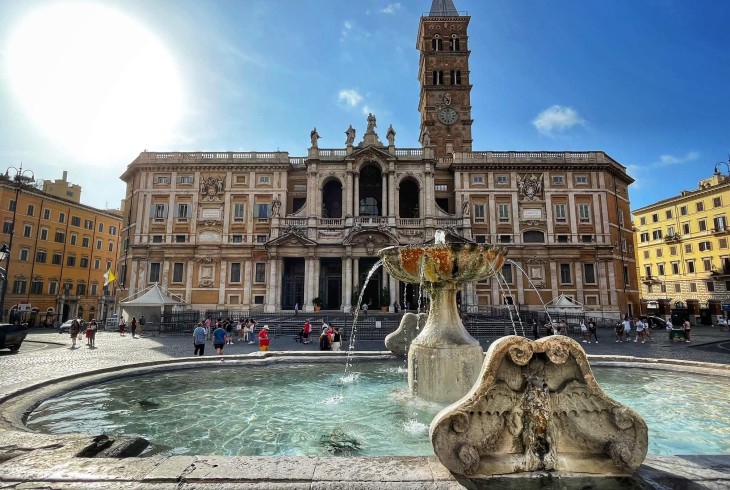
Página principal  |  Contacto  

Correo electrónico:

Contraseña:

Registrarse ahora!

¿Has olvidado tu contraseña?

DESENMASCARANDO LAS FALSAS DOCTRINAS
 
Novedades
  Únete ahora
  Panel de mensajes 
  Galería de imágenes 
 Archivos y documentos 
 Encuestas y Test 
  Lista de Participantes
 YHWH (DIOS PADRE) EL UNICO DIOS 
 JESUCRISTO NUESTRO MESIAS JUDIO 
 LOS DIEZ MANDAMIENTOS DE LA BIBLIA 
 MEJORE SU CARACTER Y SU VIDA 
 YOU TUBE-MAOR BA OLAM-LINKS 
 YOU TUBE-MAOR BA OLAM-LINKS II 
 BIBLIAS/CONCORDANCIA/LIBROS 
 MAYOR ENEMIGO DEL HOMBRE ES UNO MISMO 
 ¿LA TORA ES MACHISTA? -MENSAJE ESOTERICO Y EXOTERICO 
 ¿ES INMORTAL EL ALMA?- FALACIA DE LA ENCARNACION Y REENCARNACION 
 EL ISLAM TIENE ORIGEN UNITARIO ADOPCIONISTA 
 ANTIGUO TESTAMENTO-ESTUDIO POR VERSICULOS 
 NUEVO TESTAMENTO-ESTUDIOS POR VERSICULOS 
 NUEVO TESTAMENTO II-ESTUDIOS POR VERSICULOS 
 NUEVO TESTAMENTO III-ESTUDIOS POR VERSICULOS 
 CRISTO NO TUVO PREEXISTENCIA 
 ¿QUE ES EL ESPIRITU SANTO? 
 
 
  Herramientas
 
General: UN SANTUARIO DE BARILOCHE CONECTA A LA ARGENTINA CON LA ULTIMA VOLUNTAD DEL PAPA
Elegir otro panel de mensajes
Tema anterior  Tema siguiente
Respuesta  Mensaje 1 de 34 en el tema 
De: BARILOCHENSE6999  (Mensaje original) Enviado: 25/04/2025 18:00

Un santuario de Bariloche conecta a la Argentina con la última voluntad del Papa

Mientras en Roma se prepara el entierro de Francisco en la Basílica de Santa María la Mayor dedicada a la Virgen de las Nieves, en la Patagonia crece otro santuario consagrado a esta advocación, un escenario de un fenómeno que mezcla fe, misterio y presuntas apariciones marianas

Guardar
 
En la foto, el PapaEn la foto, el Papa recibe la medalla de la virgen Santa María de las Nieves. Luego, la bendijo y pidió que se la llevaran a los enfermos

En Bariloche, sobre la ruta, se encuentra en construcción el Santuario de la Virgen de las Nieves.

Los mensajes de la Virgen

La mujer asegura que la Virgen le transmite mensajes en fechas específicas: cada 9 de diciembre, el 25 de marzo y cada primer sábado del mes.

Respecto al contenido, señala que muchos mensajes están dirigidos “a toda la humanidad”, aunque también hay otros personales. Entre los más llamativos, asegura que la Virgen le anticipó la pandemia y le advirtió sobre futuras “pestes”. También le habría pedido priorizar el cuidado de los enfermos por sobre los indigentes, “porque los primeros están postrados y no pueden buscar ayuda por sí mismos”.

La medalla de la VirgenLa medalla de la Virgen de Las Nieves

¿Dónde se encuentra el santuario?

Sobre la ruta provincial 82, cerca del cruce al cerro Catedral, se encuentra la histórica gruta de la Virgen de las Nieves, cuya imagen fue entronizada en 1945. La iniciativa fue del jefe de la Escuela Militar de Montaña, quien mandó a instalar la imagen tras sobrevivir milagrosamente a un accidente automovilístico. Desde entonces, el sitio se convirtió en punto de peregrinación para montañistas y fieles. Subiendo el llamado “Camino de los Ángeles” se erige el Santuario, que es a cielo abierto sin paredes con un altar, una imagen gigante del Sagrado Corazón de Jesús y la del capuchino San Leopoldo Mandic. Los peregrinos asisten a pedir curaciones milagrosas y muchas mujeres en busca de un embarazo.


0 seconds of 35 secondsVolume 90%


Video: Nuestra Señora de las Nieves en la Patagonia

Presuntas apariciones

Desde hace unos años una multitud se reúne el 9 de diciembre y 25 de marzo para ser testigos de las presuntas apariciones marianas, que según testimonios a los que accedió Infobae, se acompañan con una danza del sol y el olor intenso a rosas.

El rezo del rosario comienza, la guía anuncia por micrófono que en el tercer misterio la “Virgen suele presentarse y dar un mensaje” por lo tanto pide estado de recogimiento. Comienza el primer misterio, con reflexiones sobre los mensajes de San Leopoldo Mandic. Sigue el segundo misterio. Mientras el cielo y las nubes toman un aspecto diferente. El sol de repente se mueve vertiginosamente, algunos lo ven y otros no. Las nubes se colorean de tenue celeste y rosa. Penetrantes rayos dorados iluminan el altar y las imágenes religiosas, de acuerdo a los testigos.“

La virgen ha descendido del sol” dice la intérprete que se encuentra al lado de la mujer, quien con voz tenue susurra lo que la mujer de al lado repite fuerte y claro.

“Han sido invitados ustedes por mí, para que estén cerca de mi corazón. Está mi hijo Jesús a mi lado, que los bendecirá. Yo estoy aquí, soy la madre del amor. En este lugar hay gracias infinitas de sanación, en cada enfermo que viene a este lugar, que Dios así ha querido que este lugar sea parte del cielo. Soy la Virgen de las Nieves”, Así se escucha por micrófono el anunciado mensaje de un 9 de diciembre.

En una pequeña canasta hay escarpines de muchos colores. La señora que repite el mensaje dice: “Los escarpines son para las madres que quieren tener hijos o que se encuentran gestando un embarazo, están bendecidos por Jesús”.


0 seconds of 23 secondsVolume 90%


Patrona de Buenos Aires

Nuestra Señora de las Nieves es la patrona de la Ciudad Autónoma de Buenos Aires y su figura aparece incluso en el antiguo escudo de la ciudad. El patronazgo data al menos del año 1611, cuando las Actas del Cabildo ya mencionaban la celebración litúrgica en su honor cada 5 de agosto. Sin embargo, parece un patronazgo olvidado entre los porteños ya que no se visibiliza ninguna imagen de esta Virgen en la Catedral de Buenos Aires.

La última voluntad del Papa

Santa María la Mayor, elSanta María la Mayor, el lugar elegido por el Papa para su descanso eterno

El vínculo entre este santuario en Bariloche y Roma adquiere una dimensión simbólica tras conocerse el testamento del papa Francisco, donde expresa su deseo de que sus restos descansen junto a la imagen de la Salus Populi Romani. “Deseo que mi último viaje terrenal termine precisamente en este antiguo santuario mariano, donde siempre me detengo a rezar al inicio y al final de cada viaje apostólico, confiando mis intenciones a la Madre Inmaculada y dando gracias por su dulce y maternal cuidado”, escribió el pontífice.

Así, mientras en Roma se honra a la Virgen que acompañó al papa argentino durante sus años de pontificado, en la Patagonia florece una devoción paralela, con sus propios signos y testimonios. Un santuario en construcción, una fe que se renueva día a día y una historia que, entre la tradición y lo extraordinario, continúa creciendo al pie de la montaña.

Aclaración del Obispado de San Carlos de Bariloche

Una vez publicada esta nota, el Obispo de Bariloche, Monseñor Juan Carlos Ares, aclaró que la construcción del Santuario corresponde a una iniciativa de la Asociación Civil Laica Misionera Santuario Virgen Madre de las Nieves, la cual “no cuenta con ningún tipo de aprobación diocesana”.

“Es una iniciativa privada que ha surgido por las supuestas revelaciones de la Virgen a la señora que aparece en la nota de dicho medio periodístico. Por otro lado la Gruta de la Virgen de las Nieves, declarada Lugar Sagrado con motivo del Año Jubilar de la Esperanza, no tiene nada que ver con el proyecto de esta asociación, ya que es patrimonio del pueblo fiel de esta iglesia diocesana y objeto de peregrinación de miles de pobladores y turistas”, especificó.

https://www.infobae.com/sociedad/2025/04/25/un-santuario-de-bariloche-conecta-a-la-argentina-con-la-ultima-voluntad-del-papa/


Primer  Anterior  2 a 4 de 34  Siguiente   Último 
Respuesta  Mensaje 2 de 34 en el tema 
De: BARILOCHENSE6999 Enviado: 25/04/2025 18:55

THE MIRACLE OF THE SNOW AT ROME'S SANTA MARIA MAGGIORE

Thu 21 Sep 2023

The Miracle of the Snow at Rome's Santa Maria Maggiore

Every year on August 5th, right at the height of the fierce Italian summer, Romans descend on the ancient basilica of Santa Maria Maggiore to celebrate one of the city’s strangest miracles.

The subject of the festivities is La Madonna Della Neve, or the Madonna of the Snows, and features the recreation of a miraculous summer snowfall that, according to venerable Christian legend, took place at the site of the future church on this day in the year 358 AD.

The annual modern spectacle, which is organised by the Italian Ministry of Culture in conjunction with the Vatican authorities and has been ongoing since 1983, includes the artificial snowfall - snowflakes are represented by foaming suds blown through the stifling summer air - a spectacular light show where a kaleidoscope of coloured lights flicker and illuminate the beautiful church facade, and a musical performance and parade by the Carabinieri police band. Reminding us that this is a religious celebration, two masses of Thanksgiving to the Madonna take place at 10 am and 5 pm. But what is the legend of the miraculous Snow, and why is the story so important for the church of Santa Maria Maggiore?
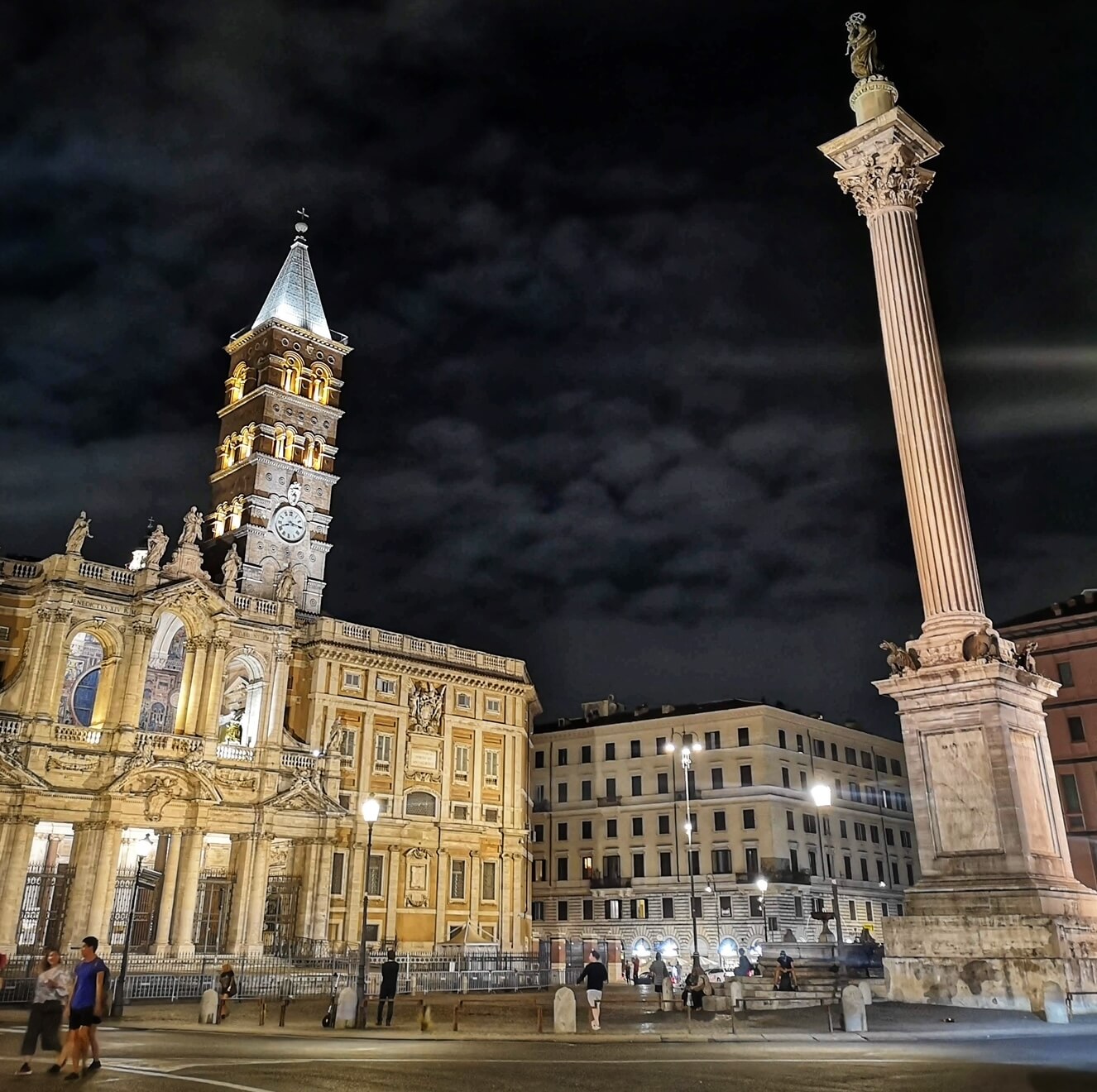
Santa Maria Maggiore at night

The story takes us all the way back in time to the fourth century. The practising of Christianity had only been legalised by the Emperor Constantine a few short decades earlier, and the Faith still had some way to go before it would finally become the dominant religion of the Empire. Nonetheless, Christianity was attracting plenty of converts in Rome from all classes of society, and amongst the zealous new converts was a wealthy nobleman by the name of Giovanni and his wife.

The childless couple had plenty of cash that they wished to use to aid the Christian community, and so they prayed to the Virgin Mary for advice on how to best use their capital. The Madonna soon obliged, appearing in a dream to the couple in which she instructed them to finance a new church at the side of the miraculous summer snow that would fall that very night on Rome‘s Esquiline Hill.

Setting out in search of the promised site, Giovanni soon ran into pope Liberius, who it turned out had experienced the same vision and was himself searching for the location of the promised snow.
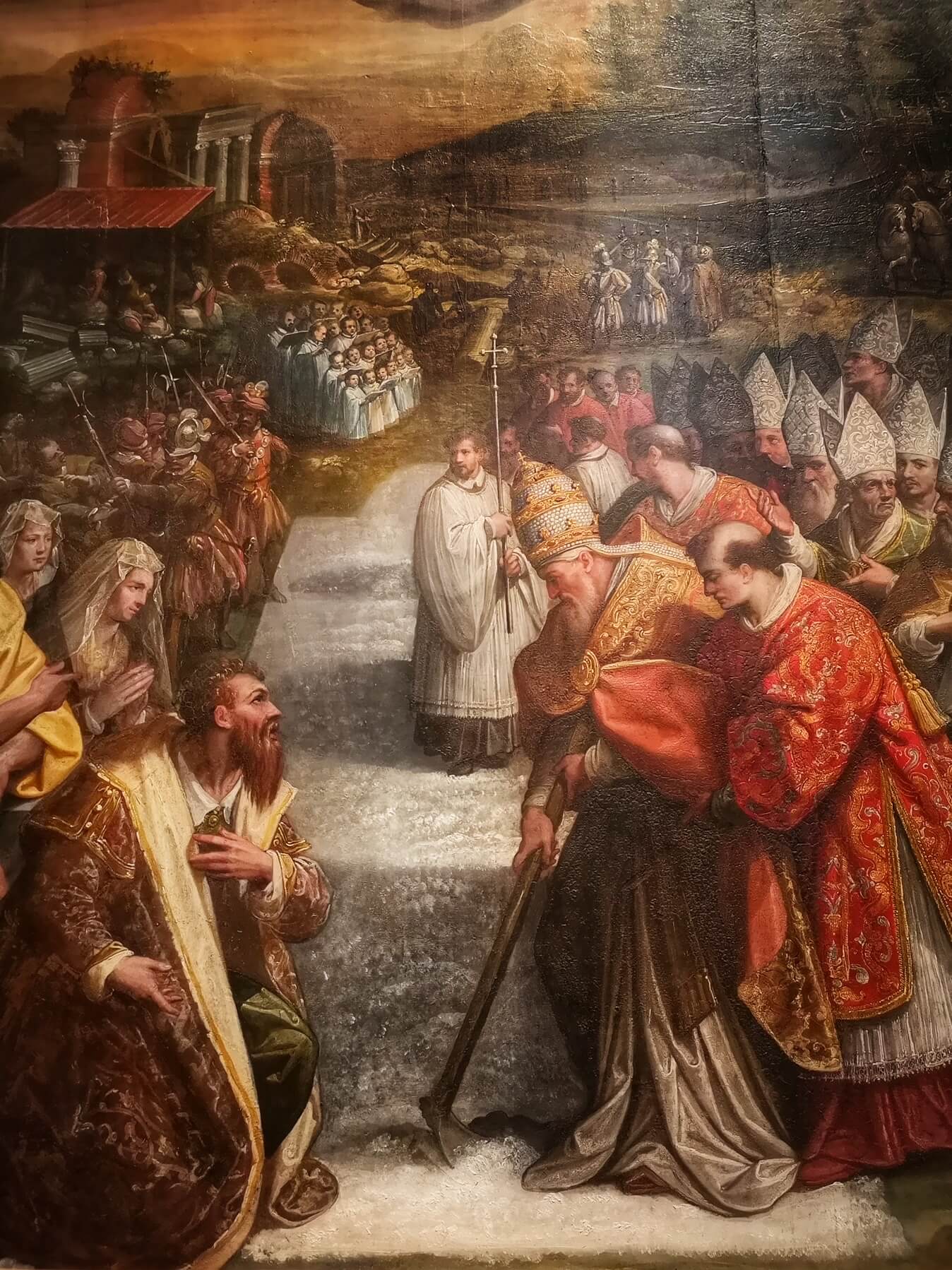
Jacopo Zucchi's Miracle of the Snow, Vatican Pinacoteca

Having found the thick white carpet of snow on the Esquiline slopes, the pontiff proceeded to trace the outline of the church-to-be in the snow. Masons and artisans were soon called to the site, and construction on the basilica began with Giovanni and his wife’s largesse funding the works. A beautiful 16th-century painting now in the Pinacoteca of the Vatican Museums by the artist Jacopo Zucchi shows an eager crowd gathered around the summer snow as the Pope marks out the perimeter of the  basilica walls with a hoe, as a motley cast of bishops, prelates and altar boys watch on. Giovanni and his wife kneel in wonder at the miraculous event.
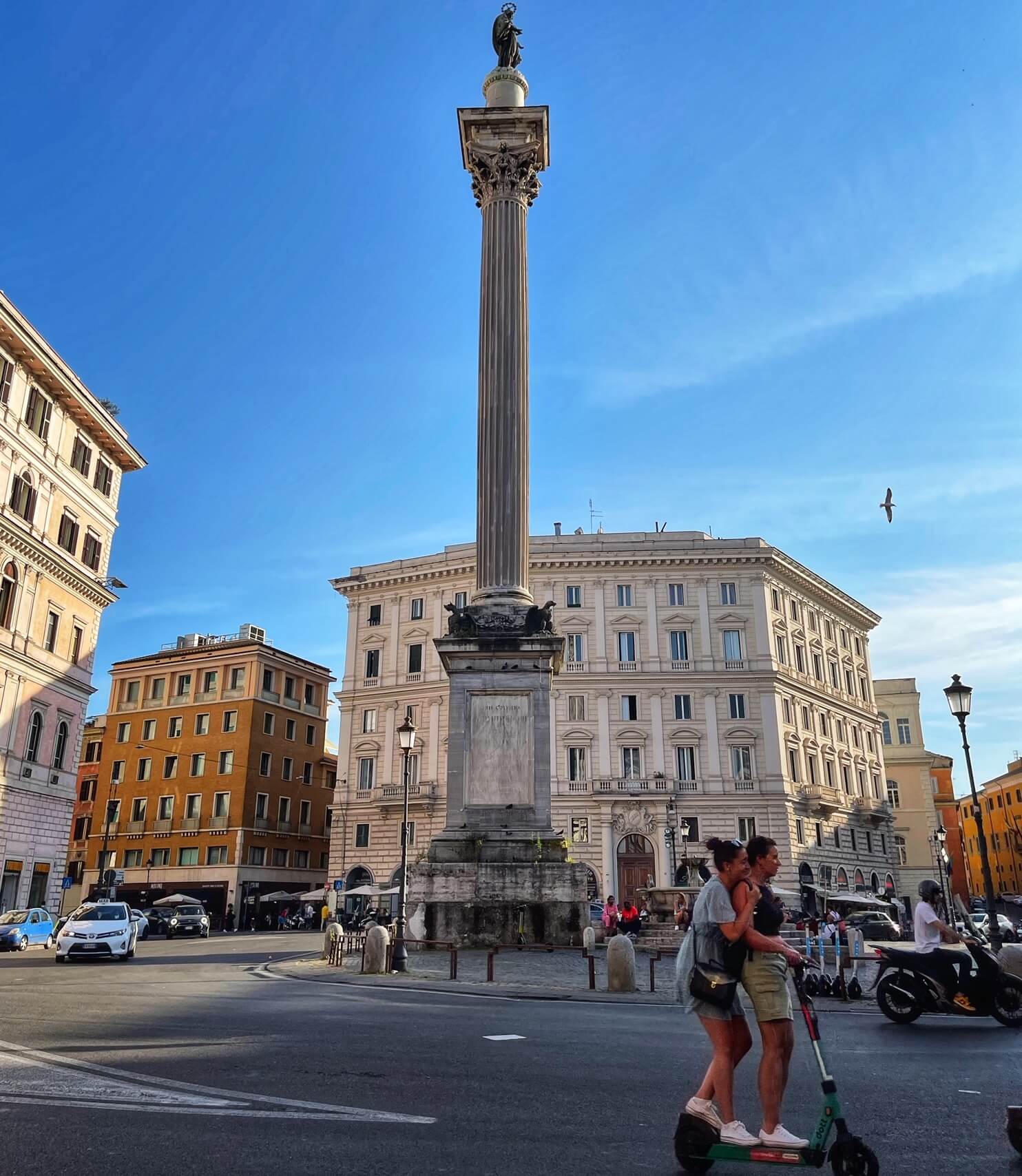
The Virgin Mary looks down over Piazza Santa Maria Maggiore from the Column of Peace

No trace of the original basilica traced by Liberius on that distant snowy morning remains - the church now standing on the site is still pretty ancient however, dating from the 430s. Within, an original cycle of 5th-century mosaics high on the nave walls beneath the windows are amongst the oldest and most beautiful Christian artworks in Italy. Vibrant scenes from the Old Testament lives of the patriarchs Abraham, Isaac, Jacob and Moses are represented in the realistic style of classical art, contrasting with the fabulous, more abstract 13th-century Byzantine mosaics in the apse. In the crypt beneath the high altar meanwhile are supposed remains of Christ’s manger, housed in an elaborate crystal reliquary. Santa Maria Maggiore is a must-visit on any trip to Rome!

The festival of the miraculous snowfall at Santa Maria Maggiore will take place between 9 PM and midnight in the piazza in front of the basilica on Saturday 5th August 2023.

https://www.througheternity.com/en/blog/history/miracle-snow-santa-maria-maggiore-rome.html#

Respuesta  Mensaje 3 de 34 en el tema 
De: BARILOCHENSE6999 Enviado: 25/04/2025 19:11

Santa Maria Maggiore


Appearance
 
Text
  •  
     
     
Width
  •  
     
Color (beta)
  •  
     
     
From Wikipedia, the free encyclopedia
 
Basilica di Santa Maria Maggiore
Papal Basilica of Saint Mary Major
  • Basilica Papale di Santa Maria Maggiore (Italian)
  • Basilica Sanctae Mariae Maioris (Latin)
  • Basilica Sanctae Mariae ad Nives (Latin)
Façade of the Basilica di Santa Maria Maggiore facing the Piazza
Map
Interactive map of Santa Maria Maggiore's location in Rome
41°53′51″N 12°29′55″E
Location Rome
Country Italy
Denomination Catholic Church
Tradition Latin Church
Website Santa Maria Maggiore
History
Status Papal major basilica
Dedication Blessed Virgin Mary
Cult(s) present Salus Populi Romani
Relics held
Architecture
Architect(s) Ferdinando Fuga
Architectural type Basilica
Style Roman architecture
Romanesque architecture (tower)
Baroque architecture
Groundbreaking 432
Completed 1743
Specifications
Length 92 meters (302 ft)
Width 80 meters (260 ft)
Nave width 30 meters (98 ft)
Height 75 meters (246 ft)
Administration
Diocese Rome
Clergy
Archpriest Stanisław Ryłko
 
Official name Historic Center of Rome, the Properties of the Holy See in that City Enjoying Extraterritorial Rights and San Paolo Fuori le Mura
Type Cultural
Criteria i, ii, iii, iv, vi
Designated 1980[1]
Reference no. 91
Region Europe and North America

The Basilica of Saint Mary Major (Italian: Basilica di Santa Maria Maggiore, Italian pronunciation: [ˈsanta maˈriːa madˈdʒoːre]; Latin: Basilica Sanctae Mariae Maioris; Latin: Basilica Sanctae Mariae ad Nives),[a] or church of Santa Maria Maggiore (also referred to as Santa Maria delle Nevi from its Latin origin Sancta Maria ad Nives), is one of the four major papal basilicas as well as one of the Seven Pilgrim Churches of Rome and the largest Marian church in Rome, Italy. Santa Maria Maggiore is the first Marian sanctuary in the Western world and the mother of all sanctuaries.[2]

The basilica enshrines the venerated image of Salus Populi Romani, depicting the Blessed Virgin Mary as the health and protector of the Roman people, which was granted a Canonical coronation by Pope Gregory XVI on 15 August 1838 accompanied by his papal bull Cælestis Regina.

Pursuant to the Lateran Treaty of 1929 between the Holy See and Italy, the Basilica is in Italy and not the Vatican City.[3] However, the Holy See fully owns the basilica, and Italy is legally obligated to recognise its full ownership thereof[4] and to concede to it "the immunity granted by international law to the headquarters of the diplomatic agents of foreign states".[3] In other words, the complex of buildings has a status somewhat similar to an embassy.  

Names

[edit]

The Basilica is sometimes referred to as Our Lady of the Snows, a name given to it in the Roman Missal from 1568 to 1969 in connection with the liturgical feast of the anniversary of its dedication on 5 August, a feast that was then denominated Dedicatio Sanctae Mariae ad Nives (Dedication of Saint Mary of the Snows). This name for the basilica had become popular in the 14th century[5] in connection with a legend that c. 352, during "the pontificate of Liberius, a Roman patrician John and his wife, who were without heirs, made a vow to donate their possessions to the Virgin Mary.[6]

They prayed that she might make known to them how they were to dispose of their property in her honor. On 5 August, at the height of the Roman summer, snow fell during the night on the summit of the Esquiline Hill. In obedience to a vision of the Virgin Mary which they had the same night, the couple built a basilica in honor of Mary on the very spot which was covered with snow.[7]

The legend is first reported only after the year 1000.[8] It may be implied in what the Liber Pontificalis of the early 13th century says of Pope Liberius: "He built the basilica of his own name near the Macellum of Livia".[9] It is shown in the early 15th-century painting of the Miracle of the Snow by Masolino da Panicale.[10][b]

The Blessed Virgin Mary overlooking Pope Liberius scrapes the outline of the foundation of the basilica into the snow. By Italian artist Masolino da Panicale, circa 15th-century, Museo di Capodimonte.

The feast was originally called Dedicatio Sanctae Mariae (Dedication of Saint Mary's),[11] and was celebrated only in Rome until it was inserted into the General Roman Calendar, with ad Nives added to its name, in 1568.[5] A congregation appointed by Pope Benedict XIV in 1741 proposed that the reading of the legend be struck from the Office and that the feast be given its original name.[11] No action was taken on the proposal until 1969, when the reading of the legend was removed and the feast was called In dedicatione Basilicae S. Mariae (Dedication of the Basilica of Saint Mary).[5] The legend is still commemorated by dropping white rose petals from the dome during the celebration of the Mass and during the Second Vespers on the feast day.

The earliest building on the site was the Liberian Basilica or Santa Maria Liberiana, after Pope Liberius (352–366). This name may have originated from the same legend, which recounts that, like John and his wife, Pope Liberius was told in a dream of the forthcoming summer snowfall, went in procession to where it occurred and there marked out the area on which the church was to be built.[12] Liberiana is still included in some versions of the basilica's name, and "Liberian Basilica" may be used as a contemporary as well as historical name.[c]

On the other hand, the name "Liberian Basilica" may be independent of the legend, since, according to Pius Parsch, Pope Liberius transformed a palace of the Sicinini family into a church, which was for that reason called the "Sicinini Basilica". This building was then replaced under Pope Sixtus III (432–440) by the present structure dedicated to Mary.[12] However, some sources say that the adaptation as a church of a pre-existing building on the site of the present basilica was done in the 420s under Pope Celestine I, the immediate predecessor of Sixtus III.[13]

Long before the earliest traces of the story of the miraculous snow, the church now known as Saint Mary Major was called "Saint Mary of the Crib" ("Sancta Maria ad Praesepe"),[14] a name it was given because of its relic of the crib or manger of the Nativity of Jesus Christ, four boards of sycamore wood believed to have been brought to the church, together with a fifth, in the time of Pope Theodore I (640–649).[15][16] This name appears in the Tridentine editions of the Roman Missal as the place for the pope's Mass (the station Mass) on Christmas Night,[17] while the name "Mary Major" appears for the church of the station Mass on Christmas Day.[18


Respuesta  Mensaje 4 de 34 en el tema 
De: BARILOCHENSE6999 Enviado: 25/04/2025 19:36


5:48
 
Tesserae as time machine: 5th and 13th century mosaics in Santa Maria Maggiore, Rome · Comments21.


Primer  Anterior  2 a 4 de 34  Siguiente   Último 
Tema anterior  Tema siguiente
 
©2026 - Gabitos - Todos los derechos reservados