Página principal  |  Contacto  

Correo electrónico:

Contraseña:

Registrarse ahora!

¿Has olvidado tu contraseña?

DESENMASCARANDO LAS FALSAS DOCTRINAS
 
Novedades
  Únete ahora
  Panel de mensajes 
  Galería de imágenes 
 Archivos y documentos 
 Encuestas y Test 
  Lista de Participantes
 YHWH (DIOS PADRE) EL UNICO DIOS 
 JESUCRISTO NUESTRO MESIAS JUDIO 
 LOS DIEZ MANDAMIENTOS DE LA BIBLIA 
 MEJORE SU CARACTER Y SU VIDA 
 YOU TUBE-MAOR BA OLAM-LINKS 
 YOU TUBE-MAOR BA OLAM-LINKS II 
 BIBLIAS/CONCORDANCIA/LIBROS 
 MAYOR ENEMIGO DEL HOMBRE ES UNO MISMO 
 ¿LA TORA ES MACHISTA? -MENSAJE ESOTERICO Y EXOTERICO 
 ¿ES INMORTAL EL ALMA?- FALACIA DE LA ENCARNACION Y REENCARNACION 
 EL ISLAM TIENE ORIGEN UNITARIO ADOPCIONISTA 
 ANTIGUO TESTAMENTO-ESTUDIO POR VERSICULOS 
 NUEVO TESTAMENTO-ESTUDIOS POR VERSICULOS 
 NUEVO TESTAMENTO II-ESTUDIOS POR VERSICULOS 
 NUEVO TESTAMENTO III-ESTUDIOS POR VERSICULOS 
 CRISTO NO TUVO PREEXISTENCIA 
 ¿QUE ES EL ESPIRITU SANTO? 
 
 
  Herramientas
 
General: "LO QUE NATURA NO DA SALAMANCA NO PRESTA" (VIVA ESPAÑA)
Elegir otro panel de mensajes
Tema anterior  Tema siguiente
Respuesta  Mensaje 1 de 74 en el tema 
De: BARILOCHENSE6999  (Mensaje original) Enviado: 18/12/2019 19:29
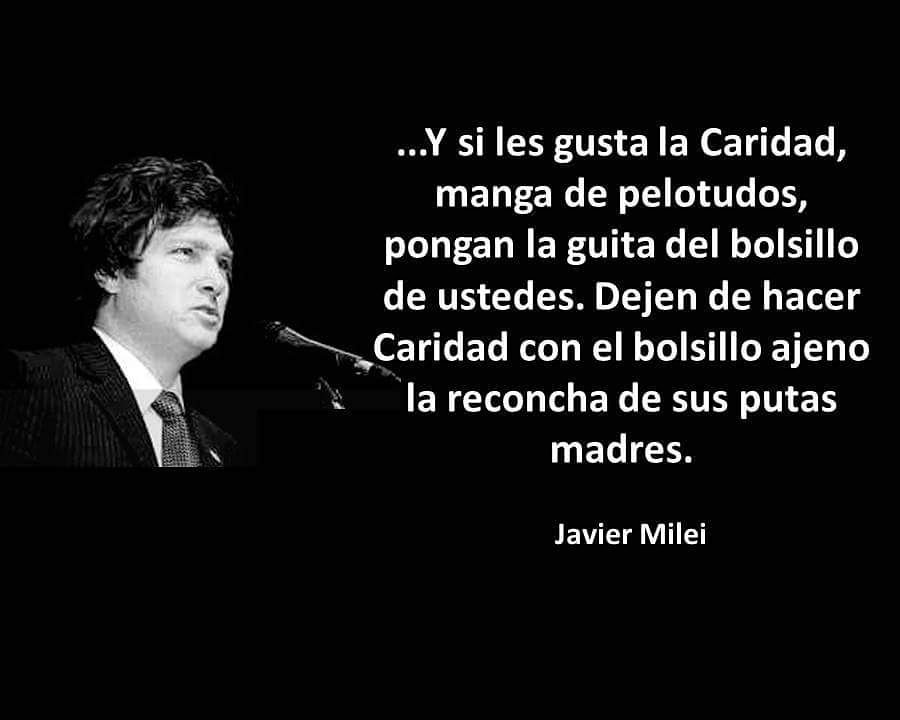
Resultado de imagen para interes milei javier
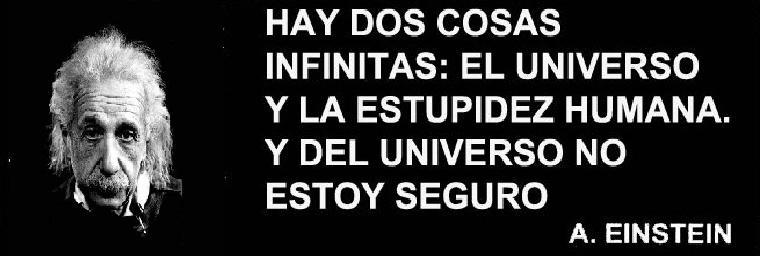
Resultado de imagen para einstein estupidez infinita
Resultado de imagen para relatividad numero pi
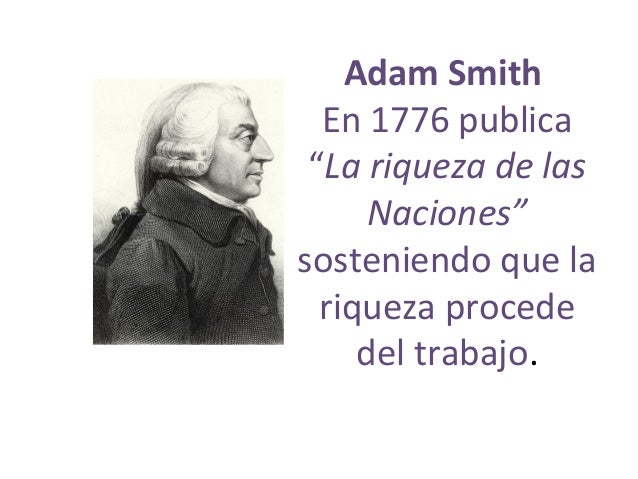
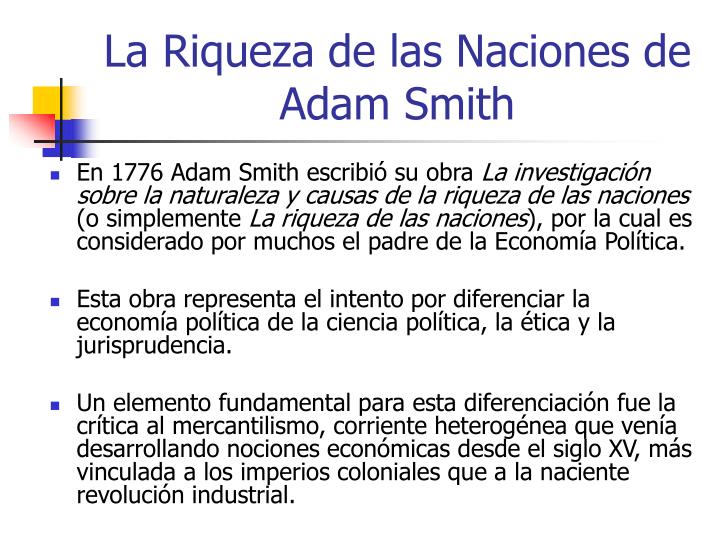
Resultado de imagen para adam smith 1776 la riqueza de las naciones
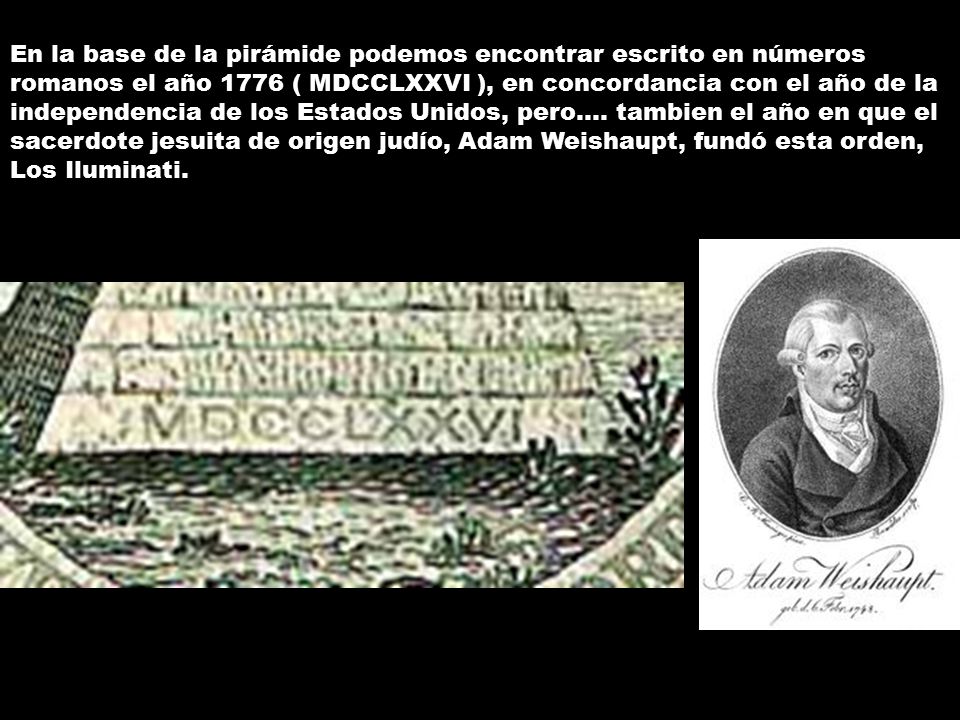
Resultado de imagen para 1776 666
Resultado de imagen para adam smith 1776 la riqueza de las naciones
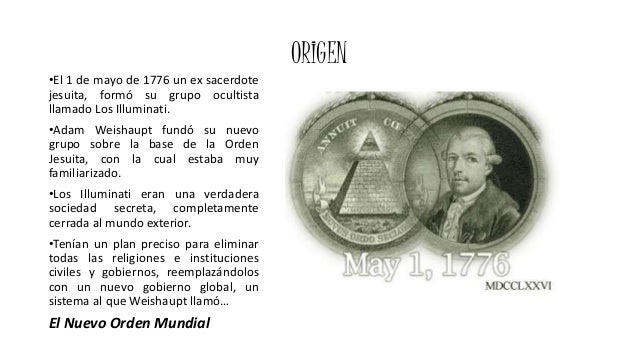
Resultado de imagen para adam weishaupt 1776
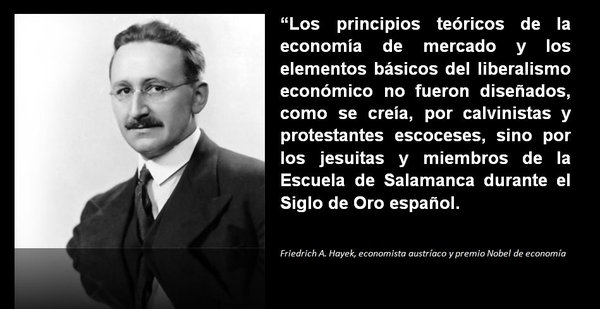
Resultado de imagen para SALAMANCA AUSTRIACA ECONOMIA
 
13 jun. 2007
Nexo entre la Escuela de Salamanca y la Escuela Austríaca de Economía. Análisis del método de estudio ...
 
7 mar. 2017 - Subido por Escuela Austriaca
La Escuela de Economía de Salamanca - Jesús Huerta de Soto. EscuelaAustriaca. Loading... Unsubscribe ...
 
18 sept. 2017 - Subido por Academia Play
Suscríbete al Canal de VisualPolitik: http://bit.ly/1Wl5TDd Haz una donación en Patreon: https://www.patreon.com ...
 
2 feb. 2018 - Subido por Fundación Rafael del Pino
... en el pensamiento económico de la Escuela Española de Economía ... Angel Fernandez gran trabajo sobre La ...
 
  
29 oct. 2012
Surgimiento de las ideas de la Escuela Austriaca de Economía. Influencias en ... Escuela de Salamanca, de ...
 
20 nov. 2018 - Subido por Intereconomiatube
Suscríbete a nuestro nuevo canal ↙ ✓ https://www.youtube.com/channel/UC2T6NU6-JLWzAzaGdqvNyzA ...
 
12 sept. 2018 - Subido por NEWMEDIA UFM
Inscríbete al curso en línea: salamanca.ufm.edu La Escuela de ... Escuela deSalamanca sobre derechos ...


Primer  Anterior  60 a 74 de 74  Siguiente   Último  
Respuesta  Mensaje 60 de 74 en el tema 
De: BARILOCHENSE6999 Enviado: 23/01/2023 04:44
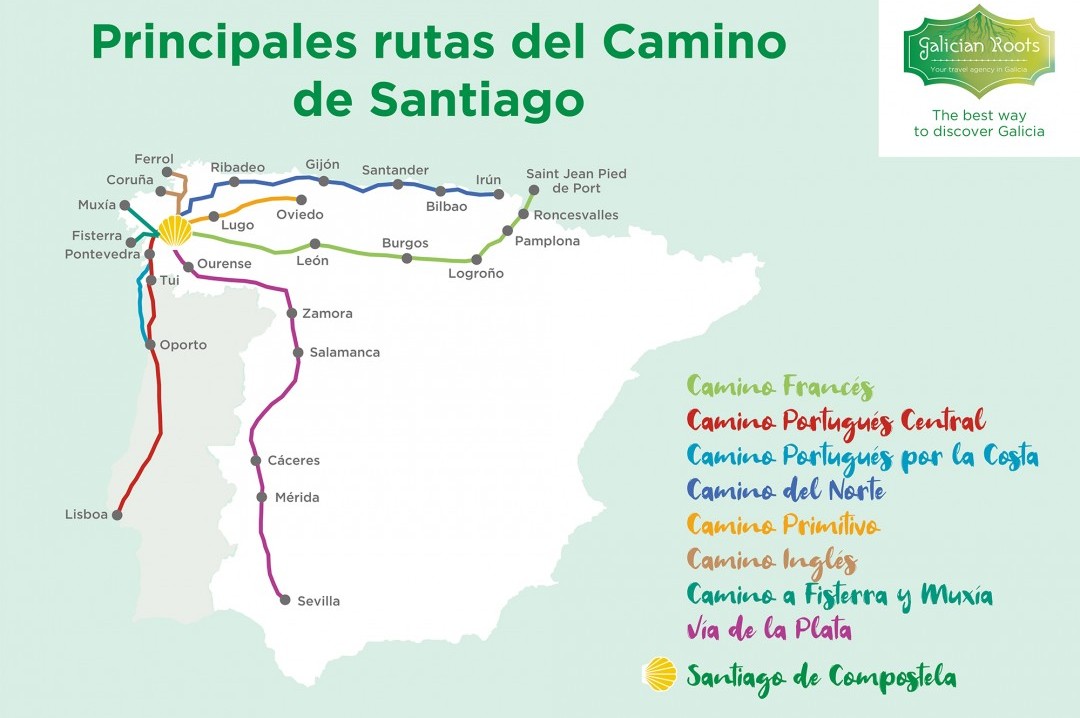
Las principales rutas del Camino de Santiago

Respuesta  Mensaje 61 de 74 en el tema 
De: BARILOCHENSE6999 Enviado: 06/02/2023 17:59


Respuesta  Mensaje 62 de 74 en el tema 
De: BARILOCHENSE6999 Enviado: 07/02/2023 00:22
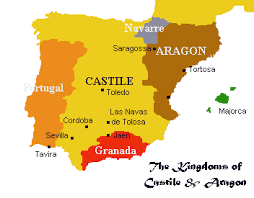
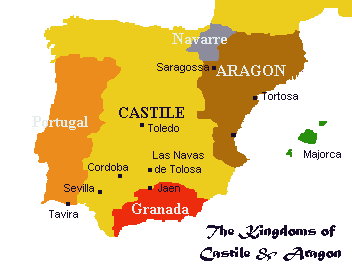
Spanish Exploration | Sutori
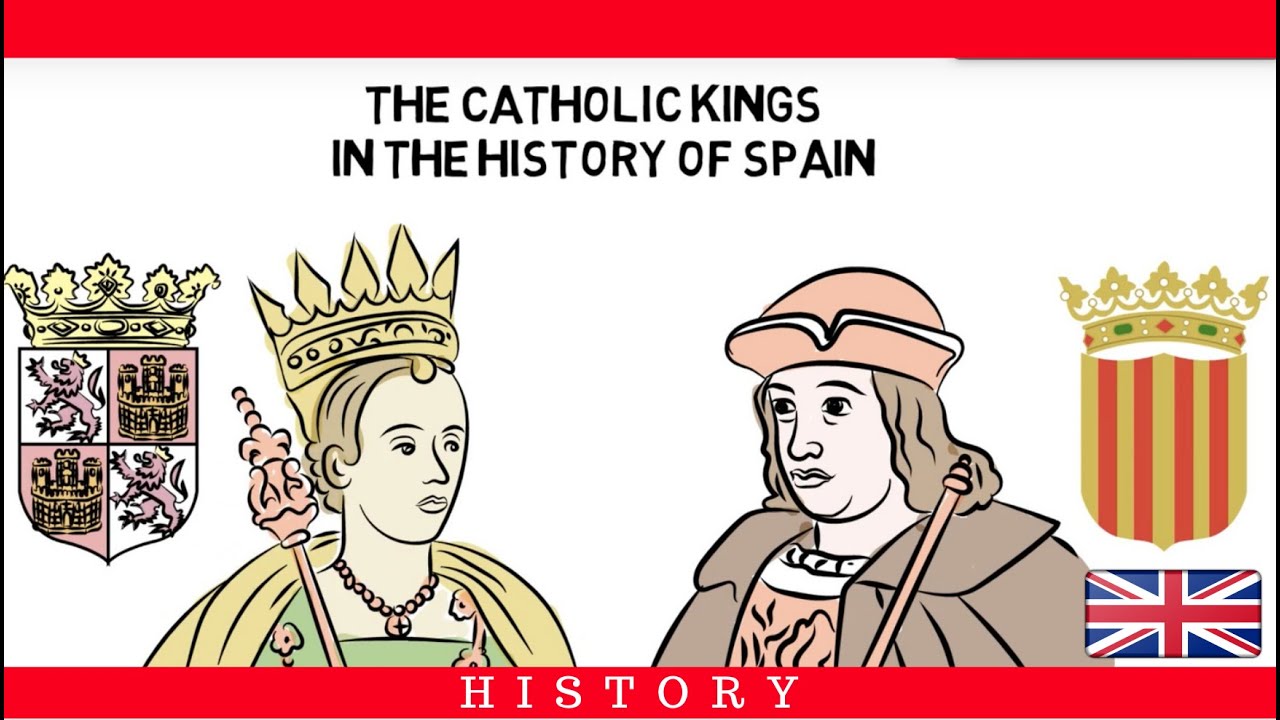
What did the CATHOLICS Kings do DIFFERENTLY in SPAIN? - YouTube
Catholic Monarchs of Spain - Wikipedia
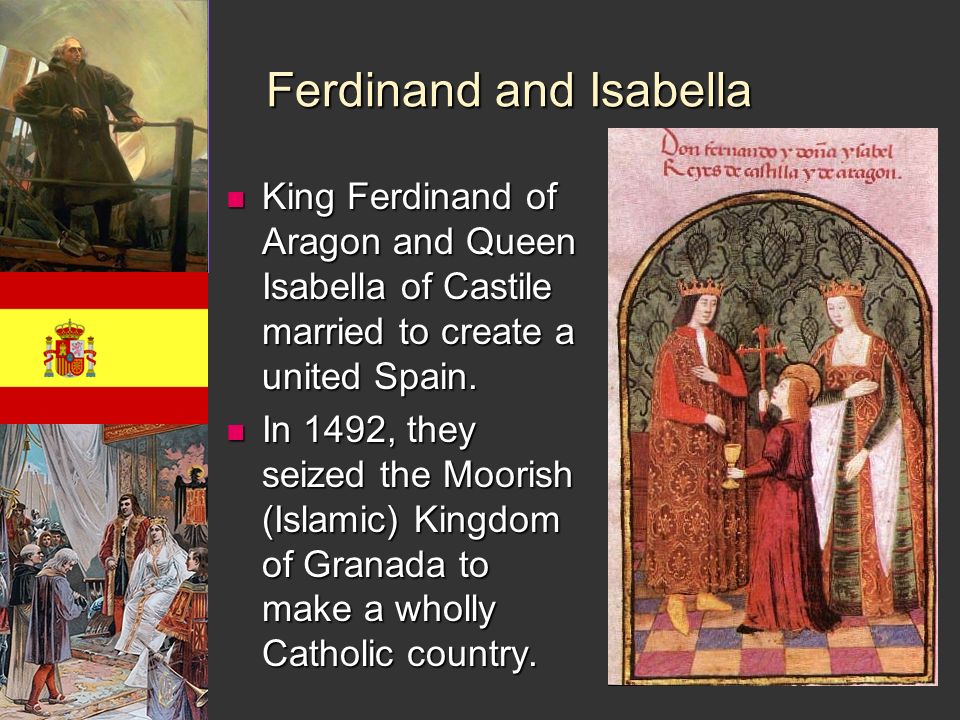
The Catholic King and Queen
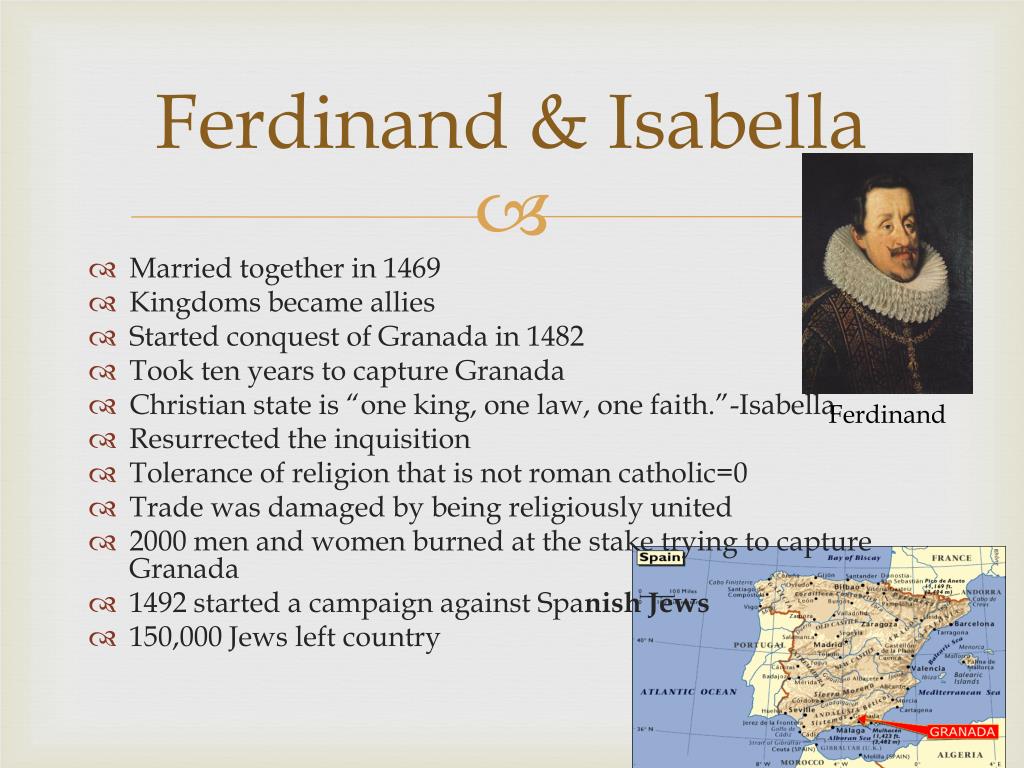
The Late Middle Ages - Key Figures - Ferdinand & Isabella by Alta's Place
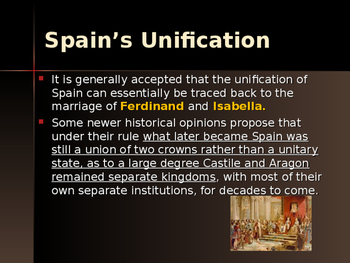
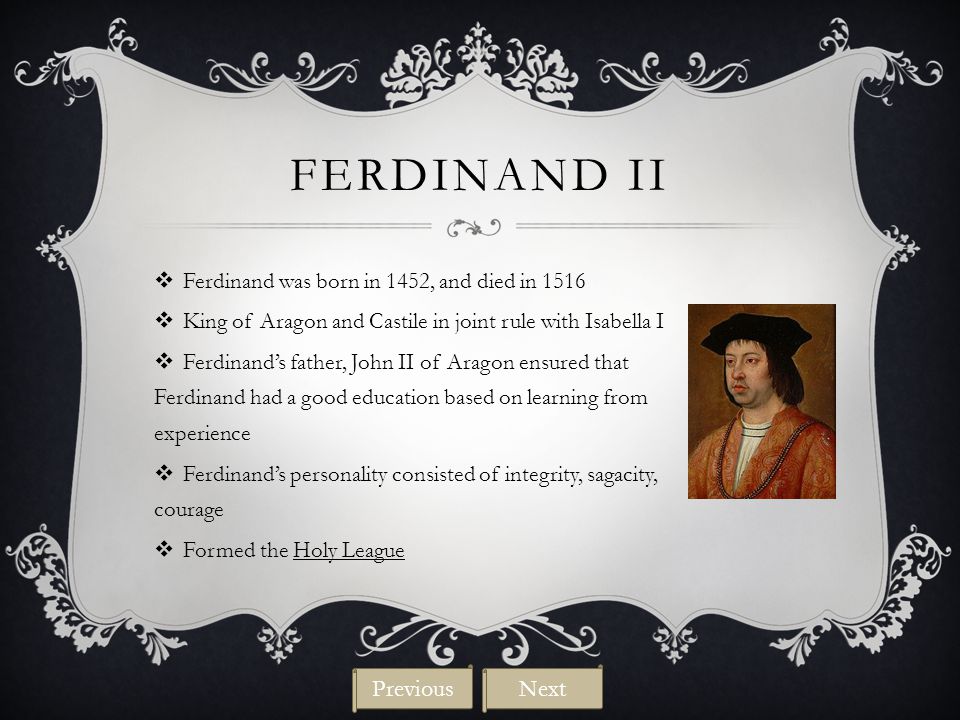
PPT - Isabella & Ferdinand PowerPoint Presentation, free download -  ID:1929237
SPAIN King Ferdinand II and Queen Isabella I Click here to begin. - ppt  download
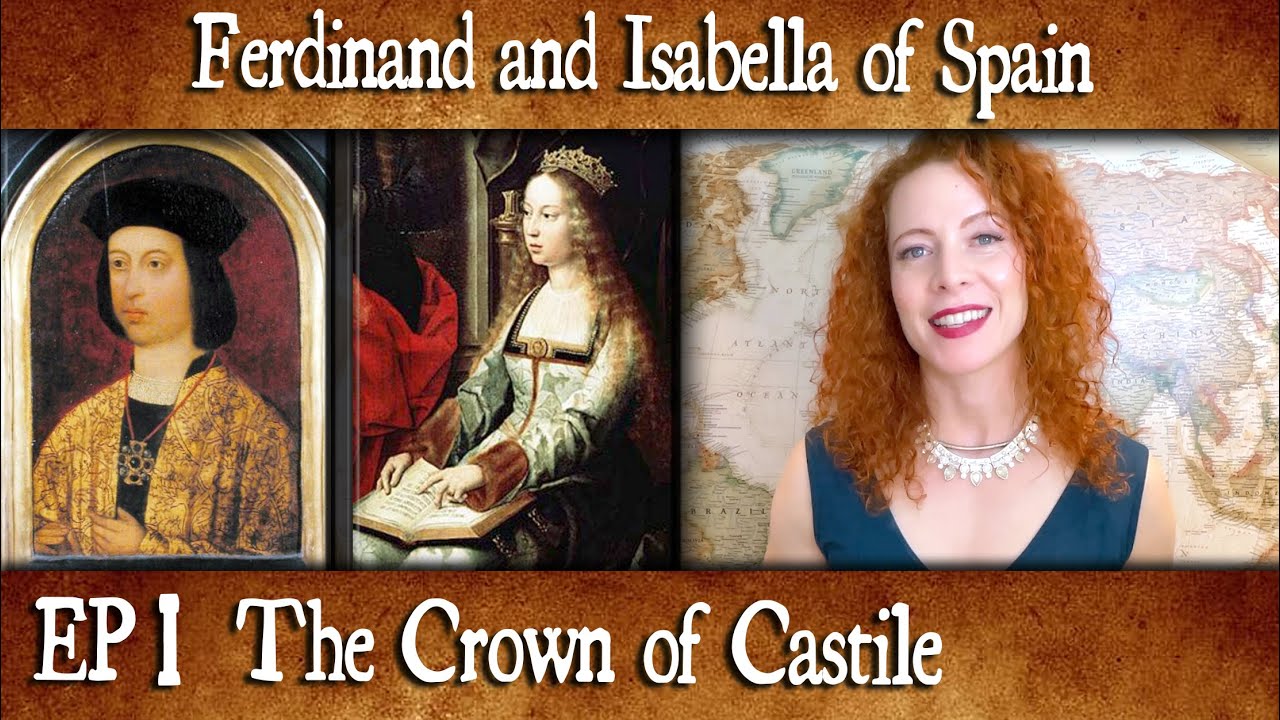
Isabella and Ferdinand of Spain: Episode 1- The Crown of Castile - YouTube
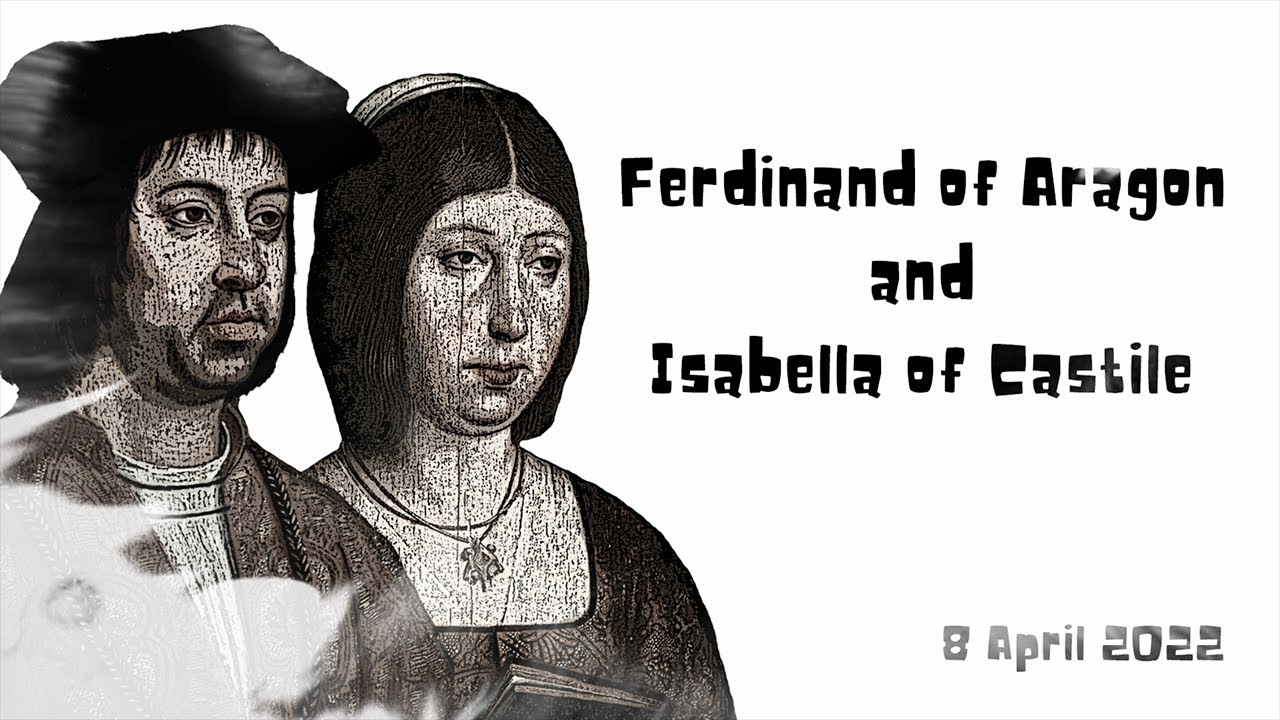
Ferdinand of Aragon and Isabella of Castile - YouTube
Lo Que Pasó en la Historia: October 19: Ferdinand II of Aragon married  Isabella I of Castile which unifies the two kingdoms into a bigger one:  Spain, in 1469.
Ferdinand and Isabella (Profiles in Power) : Edwards, J.: Amazon.de: Bücher
Timeline of the Spanish Monarchs in History - YouTube
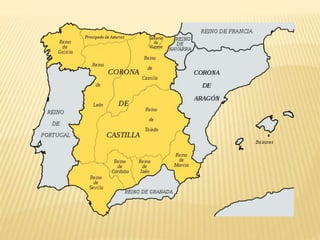
j) Catholic Monarchs - Ciencias Sociales, 3º ESO.
Ferdinand and Isabella, a look at religious history | ChristianBlessings
The Catholic Monarchs. Spain 15ht century
Coat of arms of the Catholic Kings of Spain: Take 1 – AntiguaDailyPhoto.Com
Banknote Spain 1000 Pesetas - Catholics kings - Coat of arms - 1957 -  Serial W - P.78
9780595320769: Isabella Of Castile: The First Renaissance Queen - Nancy  Rubin Stuart: 0595320767 - IberLibro
Isabella of Castile | Top 5 Facts - YouTube

Respuesta  Mensaje 63 de 74 en el tema 
De: BARILOCHENSE6999 Enviado: 07/02/2023 02:05
Voces de jóvenes hispanistas en Japón

Respuesta  Mensaje 64 de 74 en el tema 
De: BARILOCHENSE6999 Enviado: 30/12/2023 22:17


Respuesta  Mensaje 65 de 74 en el tema 
De: BARILOCHENSE6999 Enviado: 12/02/2024 01:14

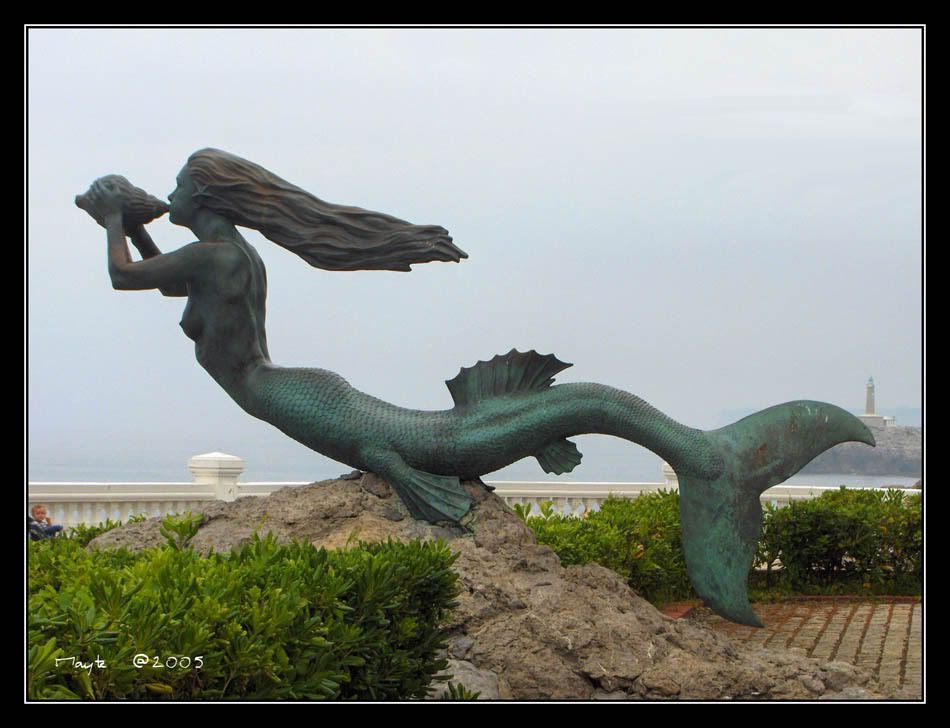
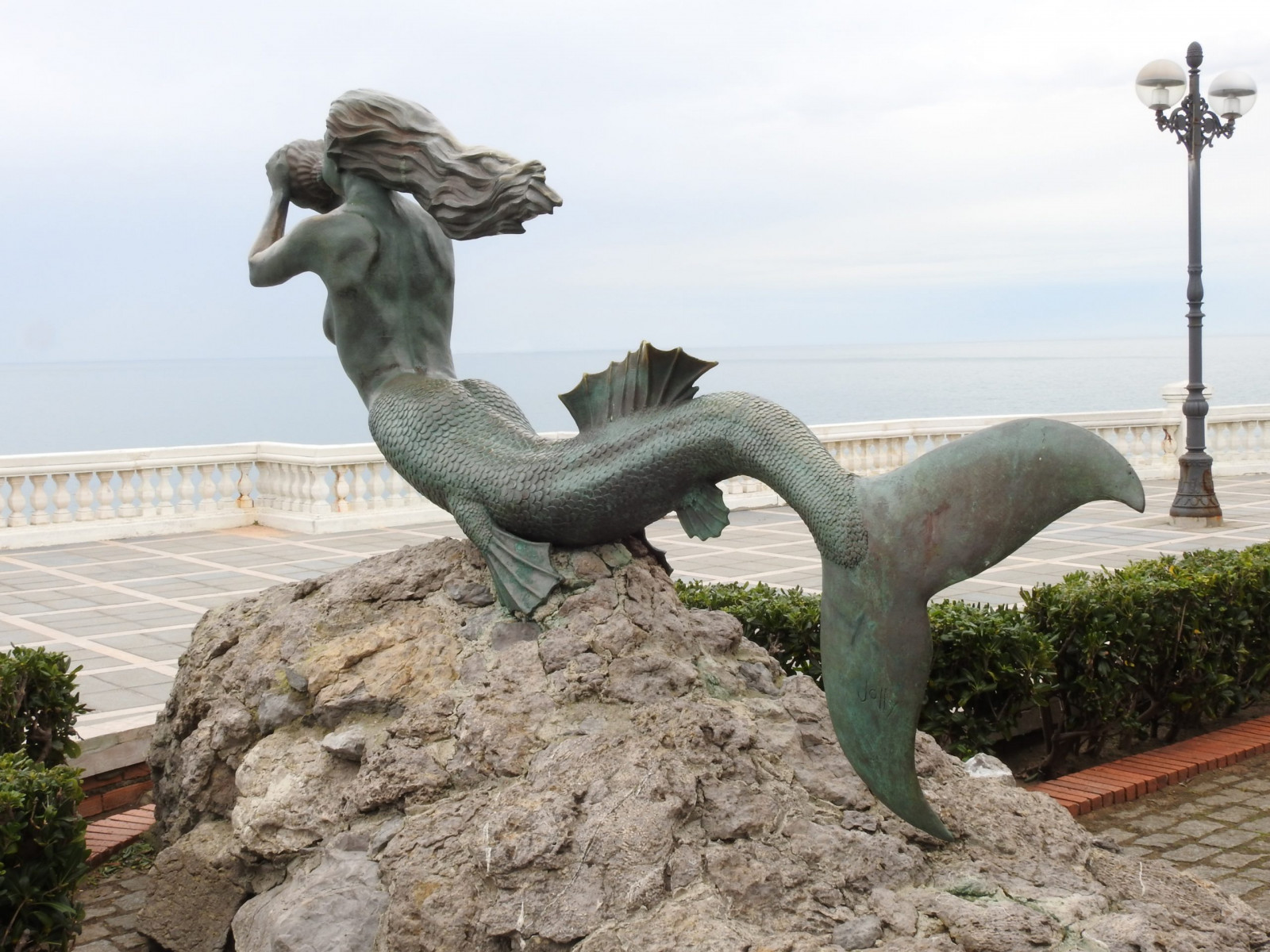
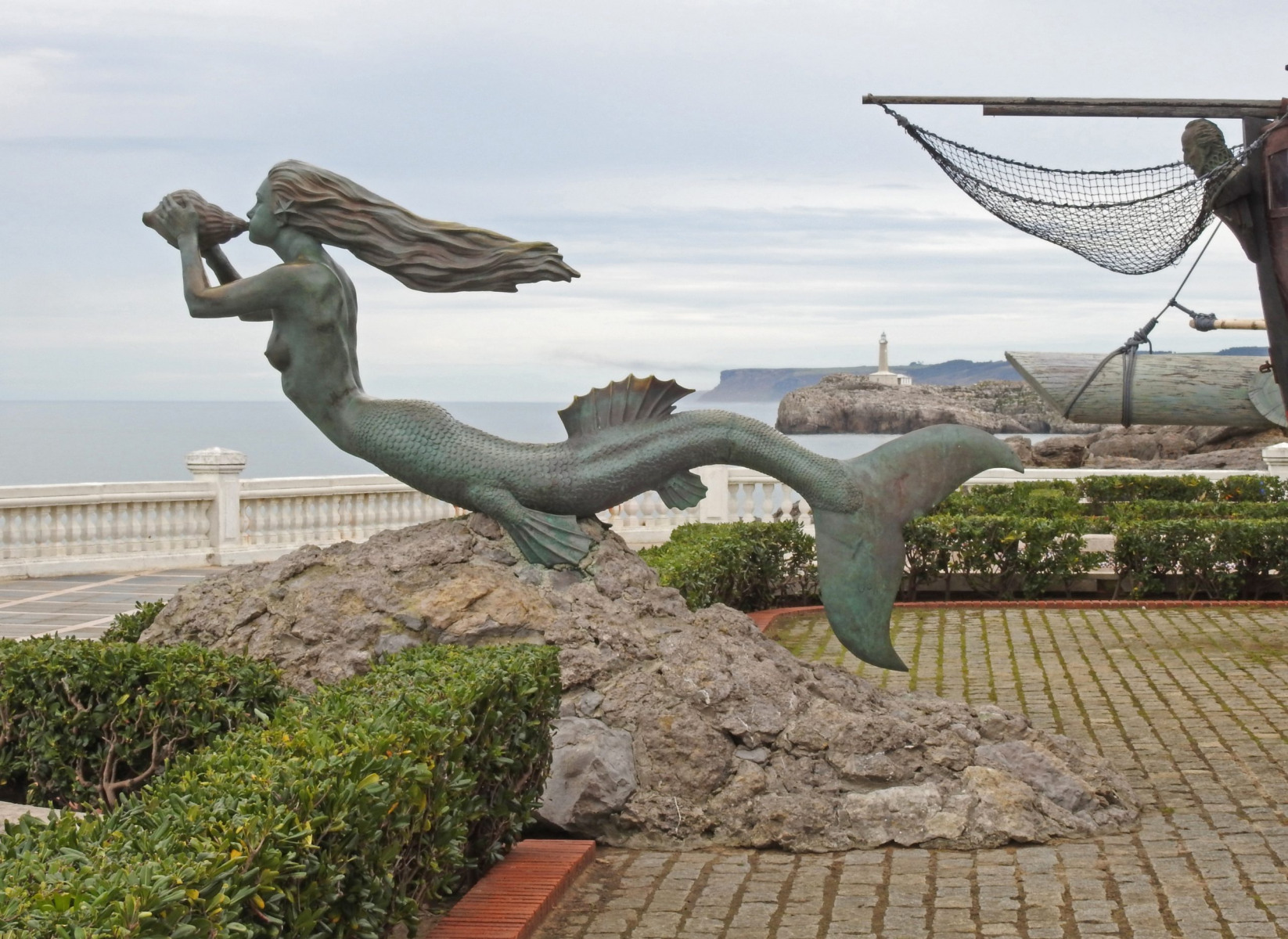
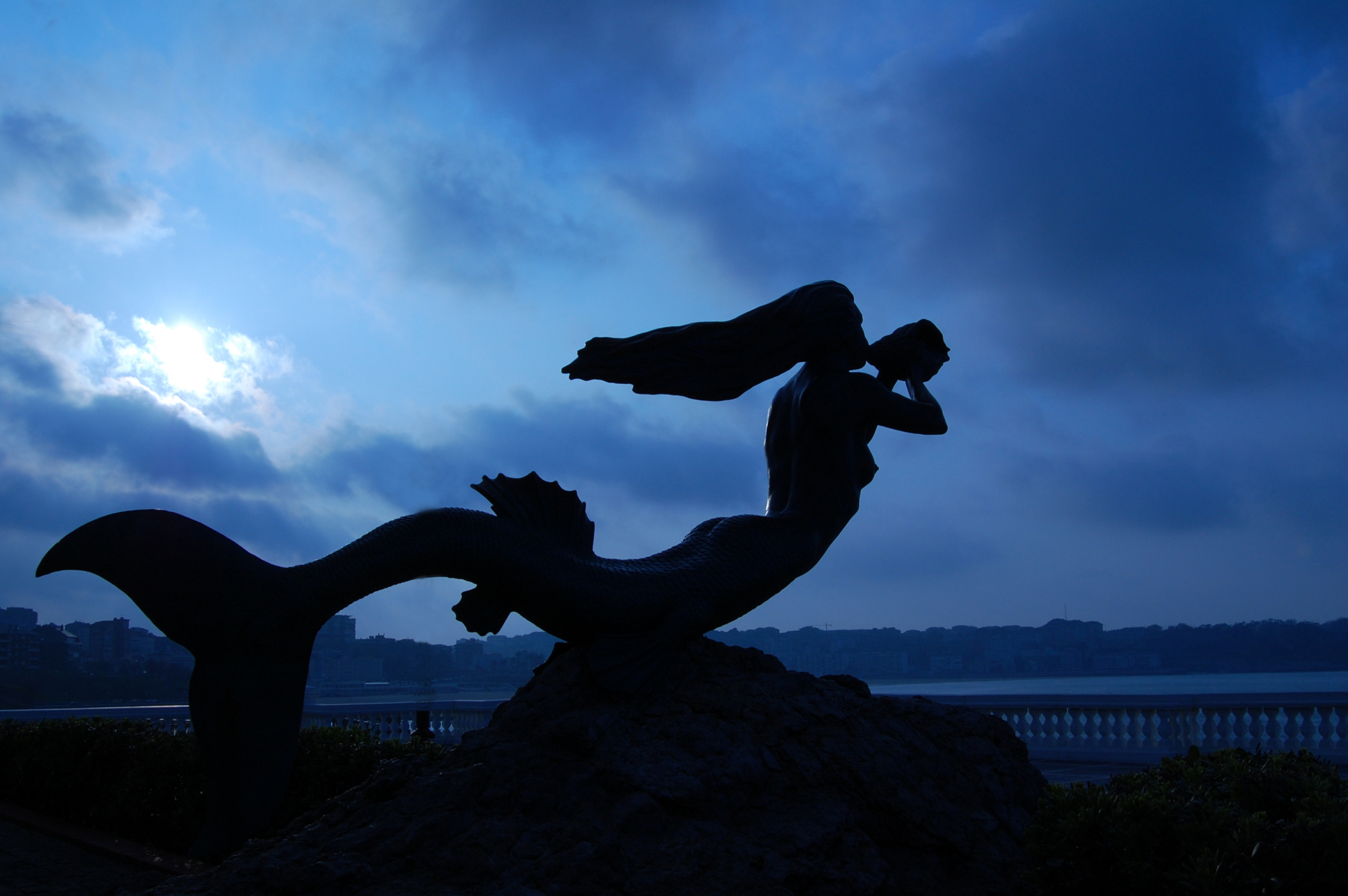
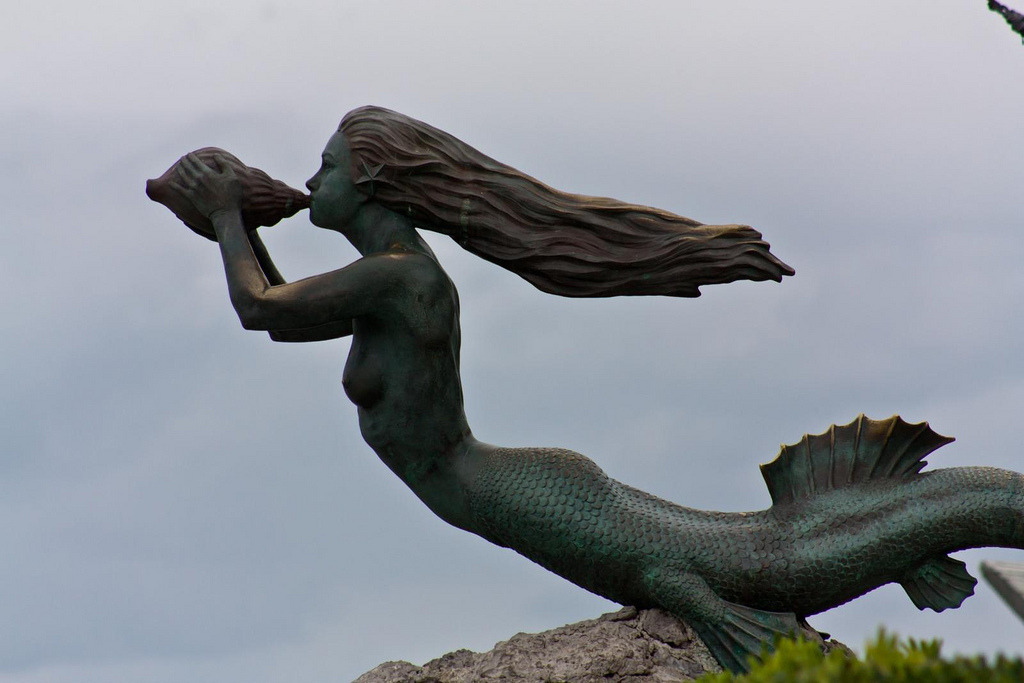
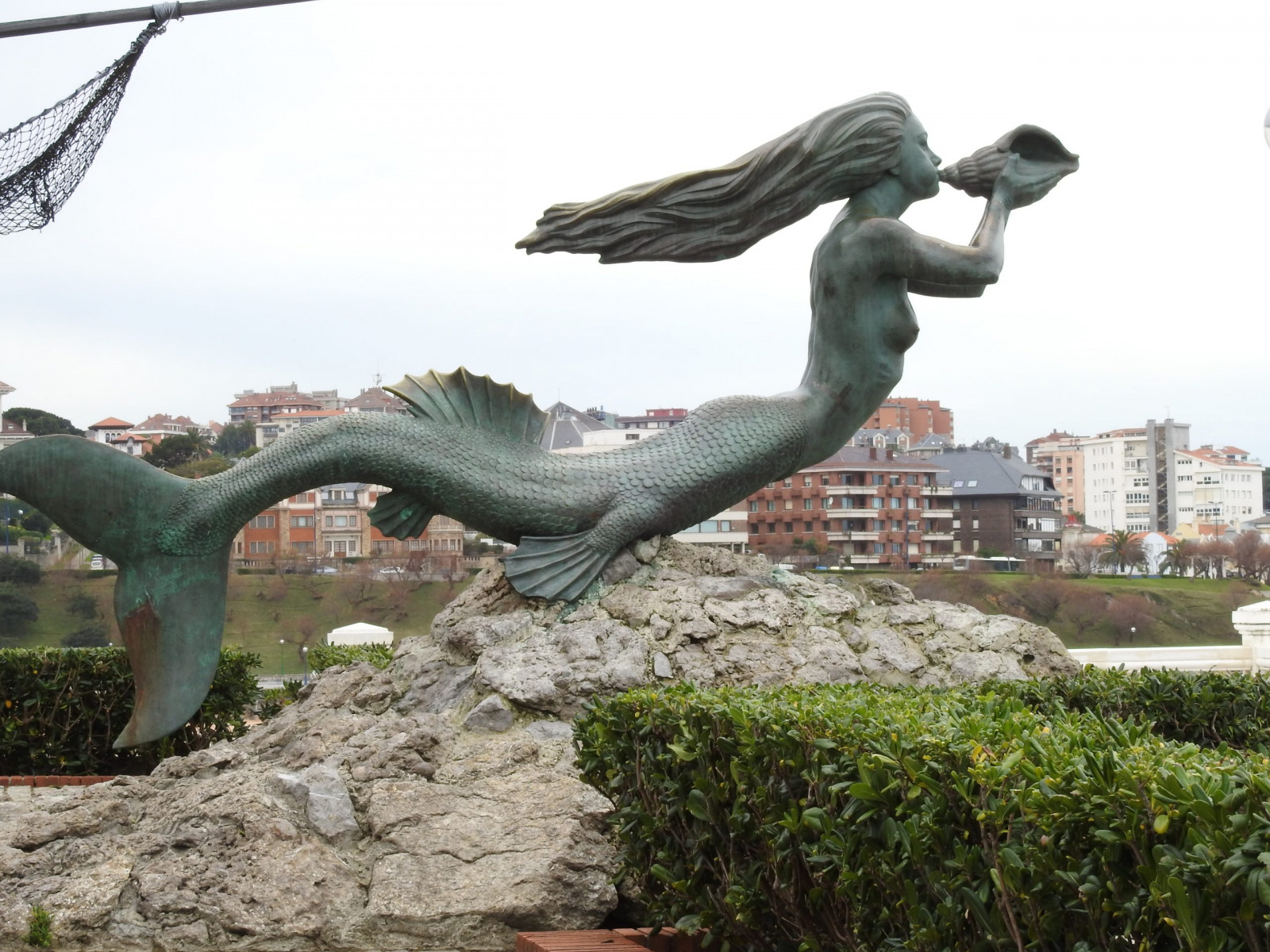
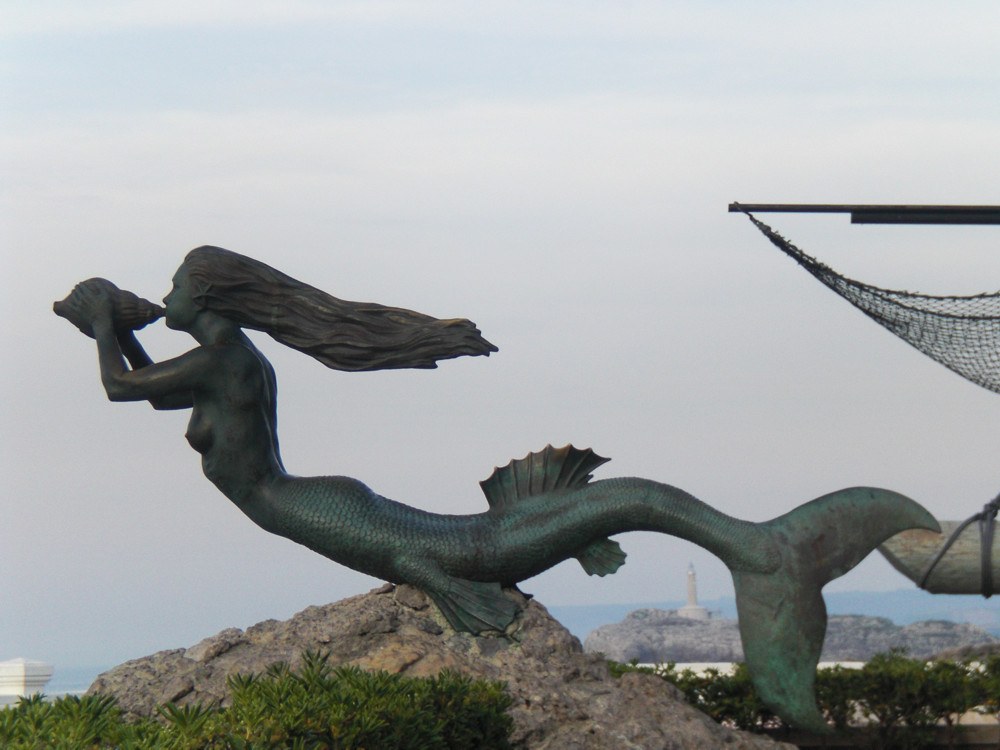
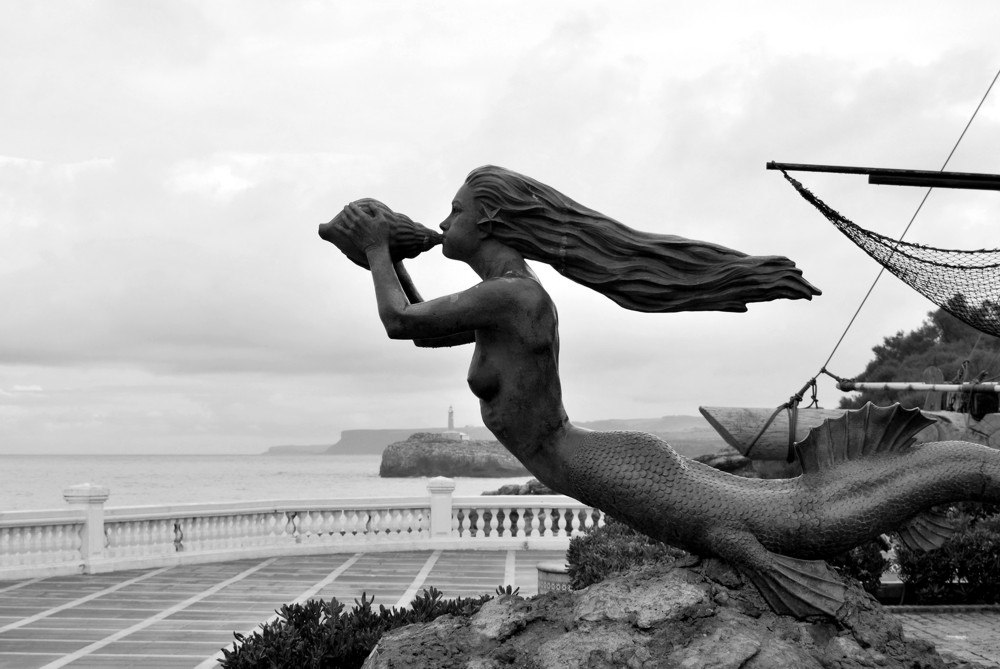
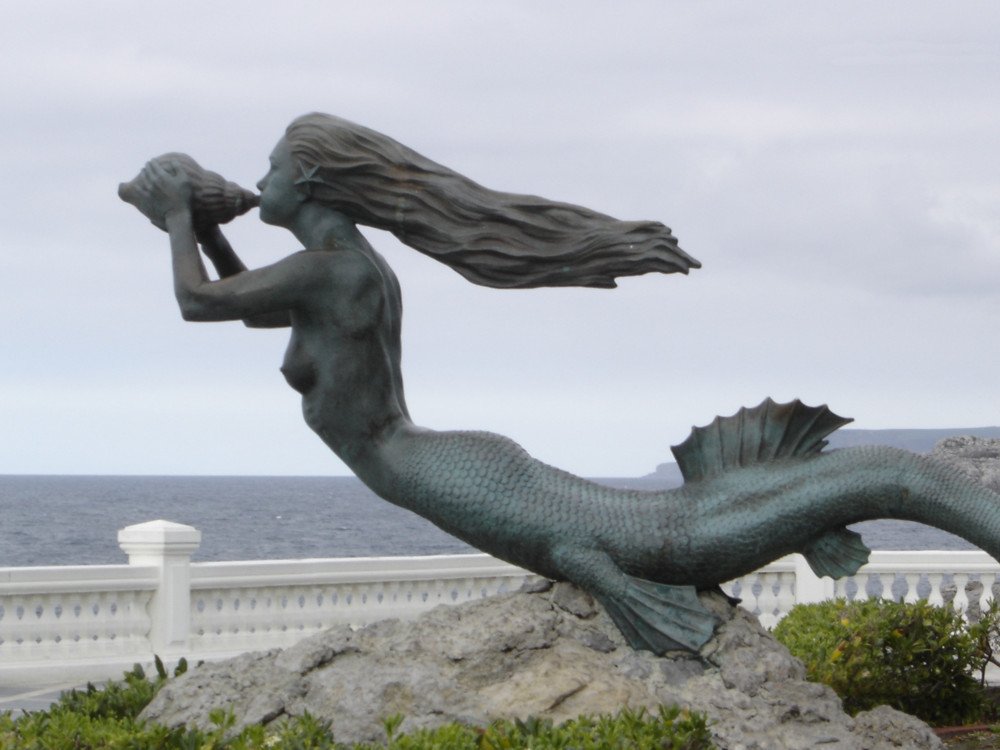
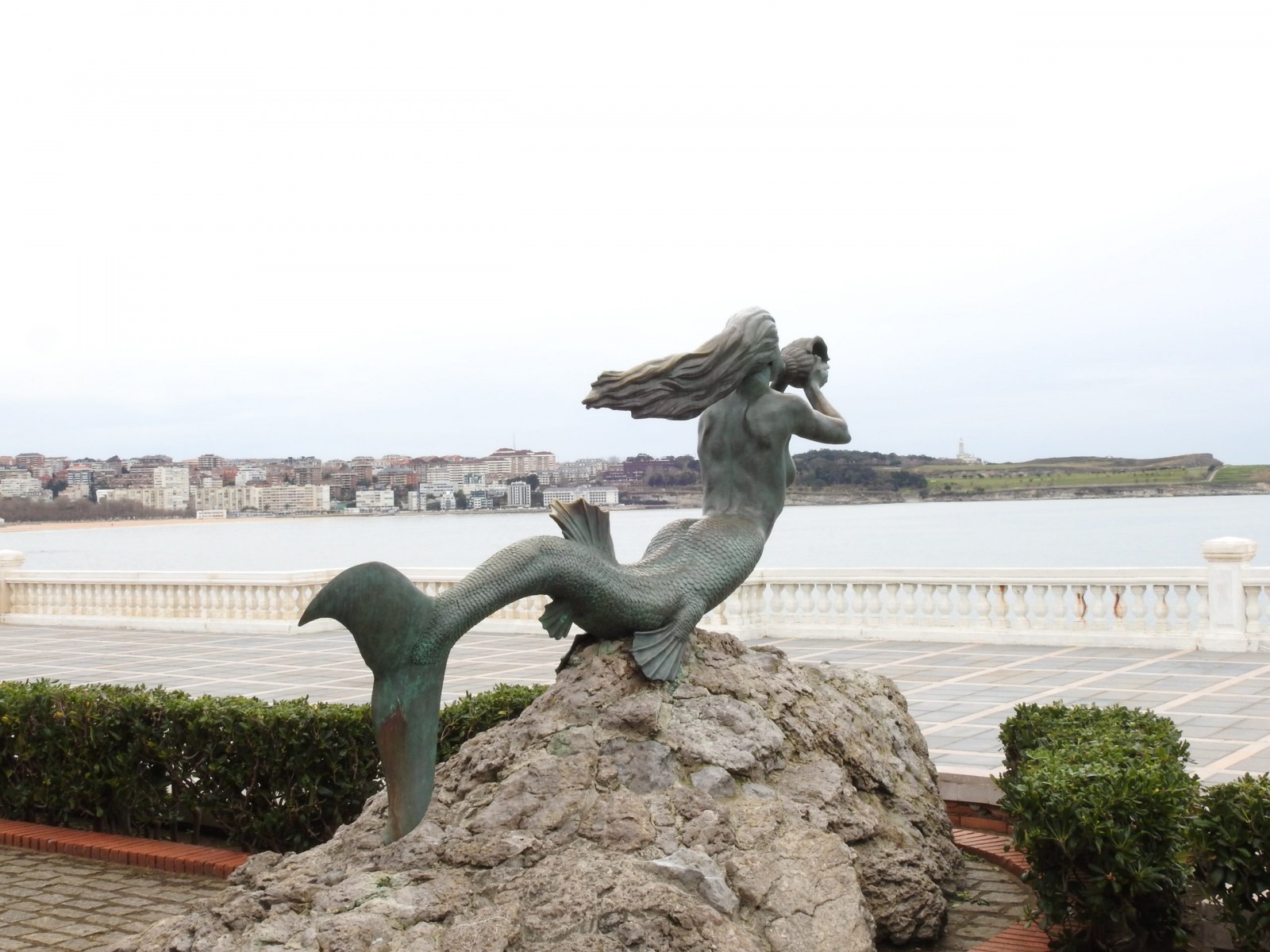
Sirena Magdalena mermaid statue in Santander, Spain

The Magdalena Peninsula in the Bay of Santander on the north coast of Spain is a beautiful park now preserved as a historical site.   You will find here a mermaid statue of Sirena Magdalena.  map

Mermaid statue "Sirena Magdalena" in Santander Spain
Mermaid statue "Sirena Magdalena" in Santander Spain. Photo © by Philip Jepsen.

There is a story that goes with this:  In the nineteenth century the peninsula had little on it apart from a small church or chapel dedicated to Saint Magdalena, after whom the Peninsula was named.    In 1908-1912 the Palacio de la Magdalena (Royal Palace of La Magdalena) was built as a vacation home for the Spanish Royal family.

The entire peninsula is now a park, containing the renovated royal palace, a zoo, some statues of famous explorers, and more.

This includes 3 ships built by Vital Alsar Ramirez as replicas of the 3 vessels used by Christopher Columbus to sail to the new world in 1492.

One of these replicas is the Marigalante, made to be a replica of the Santa Maria, Columbus' flagship, of which Juan de la Cosa was the captain and owner.  Research indicates that the crew referred to the Santa Maria as "Marigalante".

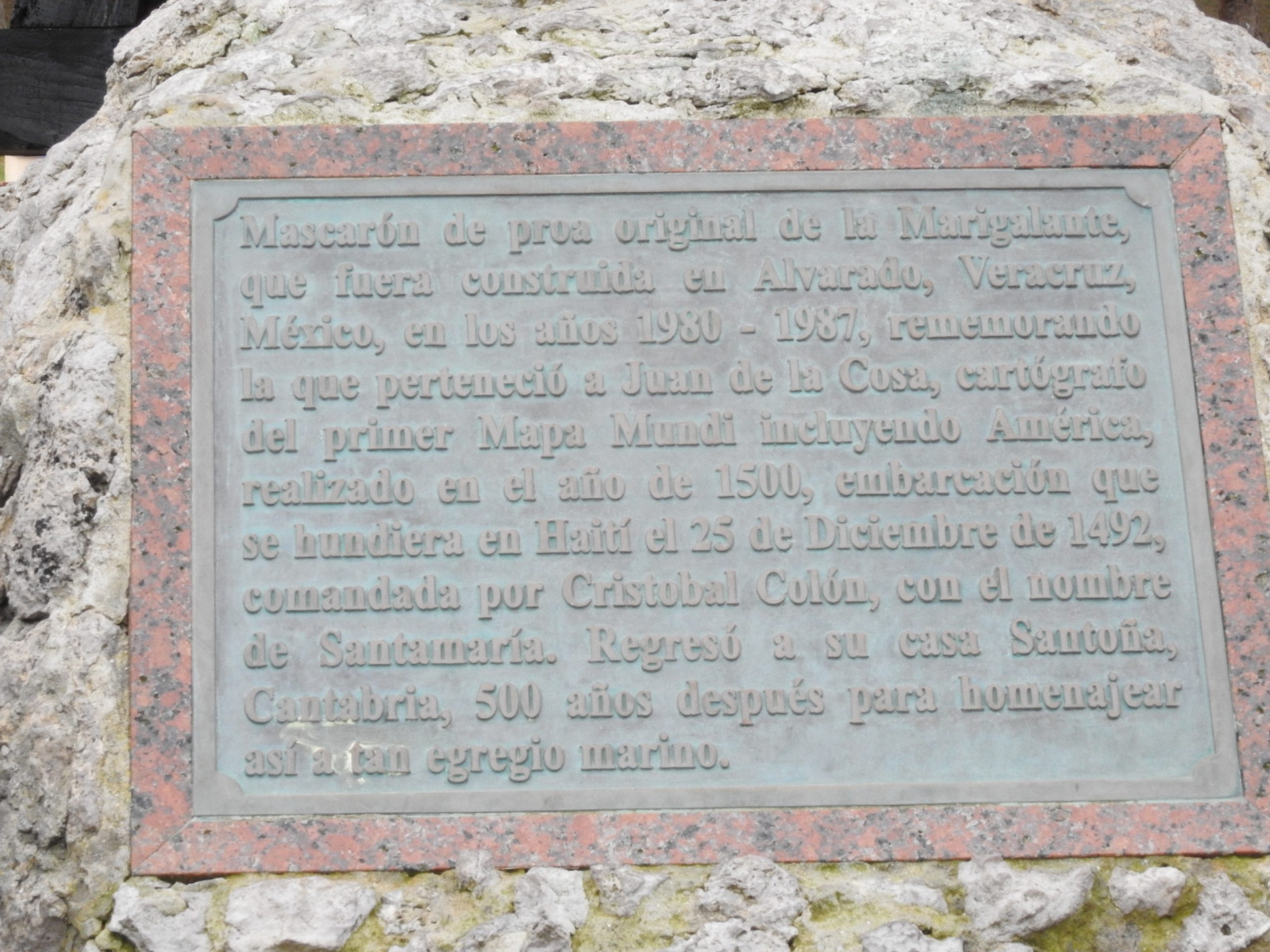
Vital Alsar built the Marigalante in Mexico in the 1980's, with the mermaid statue as its figurehead.   This mermaid is the original figurehead on display in front of the 3 ships, on the Magdalena Peninsula.

The plaque in front of the statue states:

Mascarón de proa original de la Marigalante, que fuera construida en Alvarade, Veracruz, México, en los años 1980 - 1987, rememorando la que perteneció a Juan de la Cosa, cartógrafio del primer Mapa Mundi incluyendo América, realizado en el ano de 1500 embarcación que se hundiera en haiti el 25 de Diciembre de 1492, comandada por Cristobal Colón, con el nombre de santamaria. Regresó a su casa Santoña, Cantabria, 500 años despues para homenajear asi a tan egregio marino.

(Original figurehead of the Marigalante, built in Alvarado near Veracruz, Mexico in the years 1980 - 1987, in memory of the ship named Santa Maria, led by Christopher Columbus and owned by Juan de la Cosa (cartographer of the first world map, in the year 1500, to include America), which sank in Haiti on the 25th of December 1492.   The Marigalante returned to Santoña, Cantabria, 500 years later in honor of this outstanding voyage.)


Respuesta  Mensaje 5 de 5 en el tema 
De: BARILOCHENSE6999 Enviado: 11/02/2024 21:56
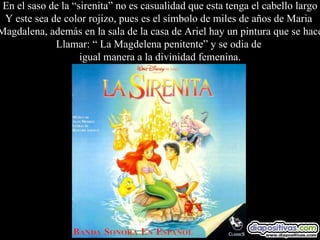
Walt Disney Vs Codigo Da Vinci Diapositivas | PPT
Cuento de La Sirenita (The Little Mermaid) - YouTube
ANEXO 7 - La Sirenita PDF | PDF
Novedades Disney: La Sirenita

Respuesta  Mensaje 66 de 74 en el tema 
De: BARILOCHENSE6999 Enviado: 04/04/2024 14:13

Respuesta  Mensaje 67 de 74 en el tema 
De: BARILOCHENSE6999 Enviado: 13/05/2024 16:01
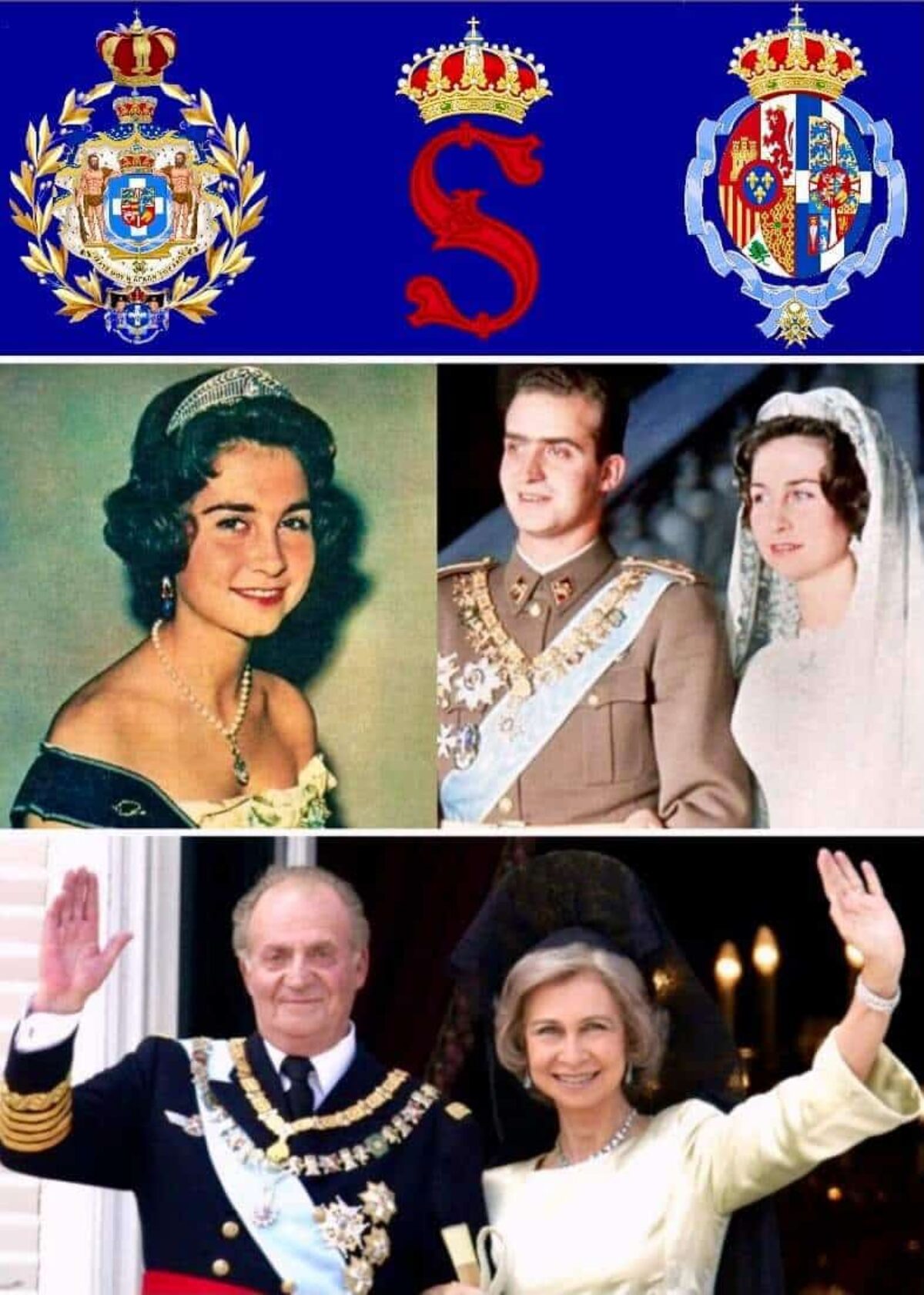
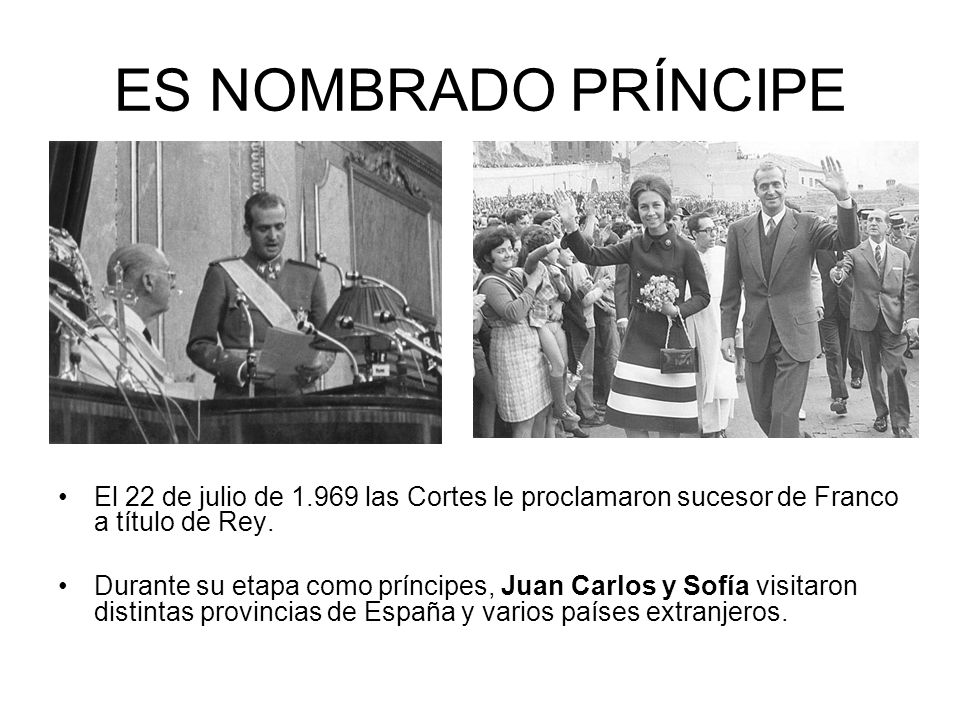
Happy 83rd Birthday To HM Queen Sofia Of Spain, Princess Of Greece And  Denmark
Resultado de imagen para REINA SOFIA ESPAÑA 22 DE JULIO

Respuesta  Mensaje 68 de 74 en el tema 
De: BARILOCHENSE6999 Enviado: 24/05/2024 16:44
Happy 83rd Birthday To HM Queen Sofia Of Spain, Princess Of Greece And  Denmark
Resultado de imagen para REINA SOFIA ESPAÑA 22 DE JULIO

Respuesta  Mensaje 69 de 74 en el tema 
De: BARILOCHENSE6999 Enviado: 15/12/2024 06:21
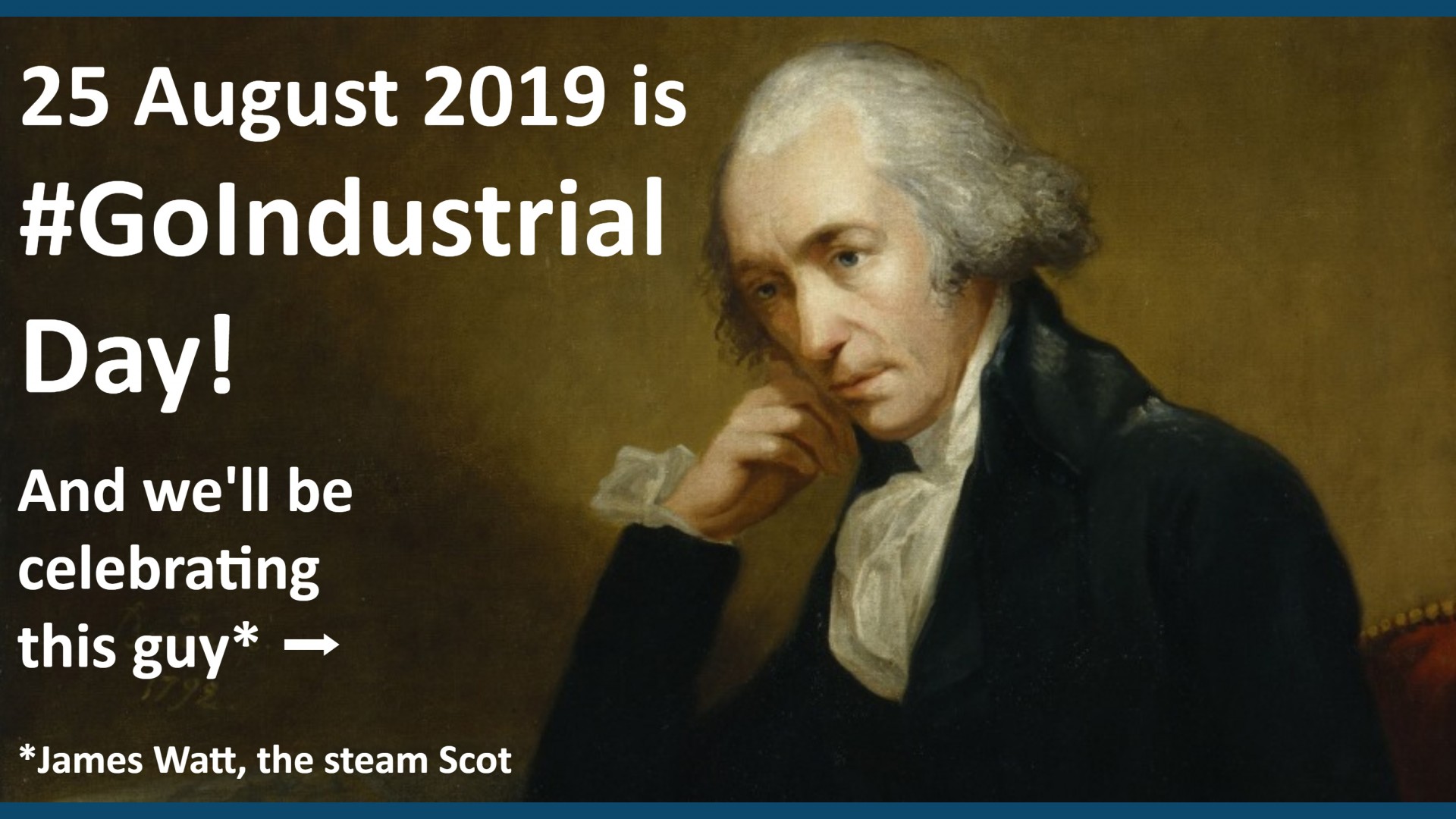
Watt's The Story - Go Industrial

Respuesta  Mensaje 70 de 74 en el tema 
De: BARILOCHENSE6999 Enviado: 15/12/2024 16:36
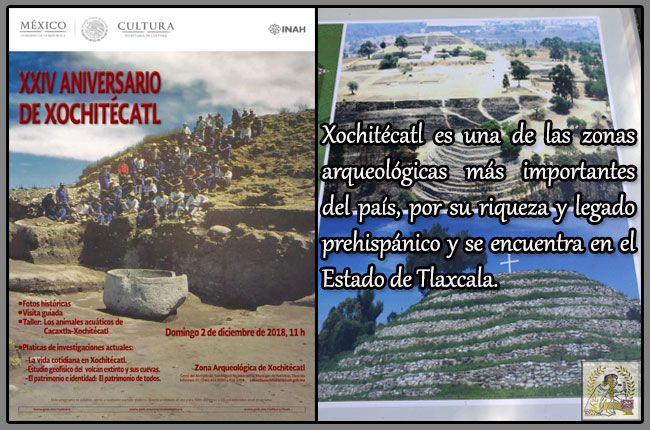
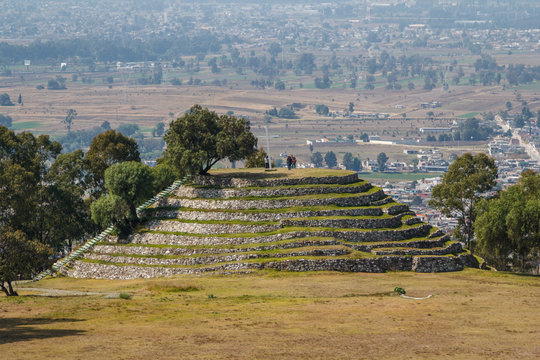
XXIV ANIVERSARIO DE XOCHITÉCATL. – Tlaxcala Cultural
Imágenes de Xochitecatl: descubre bancos de fotos, ilustraciones, vectores  y vídeos de 19 | Adobe Stock
Sectur Tlaxcala - #Xochitécatl significa “Lugar del Linaje de las Flores”.  Los monumentos más importantes son: la Pirámide de las Flores, la Pirámide  de la Serpiente, la Pirámide de la Espiral y
Xochitécatl, el sitio ideal para recibir a la primavera - El Sol de  Tlaxcala | Noticias Locales, Policiacas, sobre México, Tlaxcala y el Mundo
Xochitecatl Tlaxcala

Respuesta  Mensaje 71 de 74 en el tema 
De: BARILOCHENSE6999 Enviado: 13/03/2025 15:46
Archivo:WTC Washington Square.jpg - Wikipedia
Estatua De La Libertad O Lady Liberty Manhattan Ciudad De Nueva York Estados Unidos De América Fotos, Retratos, Imágenes Y Fotografía De Archivo Libres De Derecho.  Imagen 146843314.
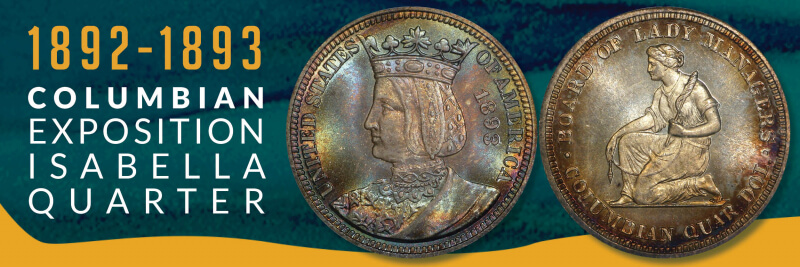
1892-1893 World's Columbian Exposition Isabella Quarter| Commemorative  Coins - American Numismatic Association : American Numismatic Association

Respuesta Ocultar Mensaje Eliminar Mensaje  Mensaje 36 de 36 en el tema 
De: BARILOCHENSE6999 Enviado: 13/03/2025 01:14
https://victor-li.com/isabellaquarter/
 

Vindicated by History: The 1893 Queen Isabella Commemorative Quarter

October 4, 2019

A few things I’ve picked up from researching early commemorative coins:

  • The people behind them always hope they can raise a ton of money for a pet project or monument or expo. They rarely do.
  • The designs usually get denigrated by the numismatic press – oftentimes with a venom critics reserve for Limp Bizkit albums or Michael Bay movies.
  • The mint melts down the excess/unsold coins. As a result, the ones that did sell end up becoming valuable decades later – screwing over collectors on a budget like yours truly.

Those issues were all in play for the 1893 Isabella Quarter.

The Queen Isabella commemorative quarter traces its beginnings to the World’s Fair: Columbian Exposition, held in Chicago in 1893. Congress had already authorized the minting of a commemorative half dollar featuring Christopher Columbus, but a group of women, led by Bertha Palmer, whose husband, Potter, owned the famed Palmer House hotel in Chicago, thought they could do better.

Spearheaded by renowned women’s rights activist, and future $1 coin subject, Susan B. Anthony, the Board of Lady Managers had been awarded $10,000 in federal funds to help manage the Columbian Expo. In early 1893, the Board went before the House Appropriations Committee to ask that the $10,000 could be paid to them in the form of 40,000 specially designed commemorative quarters, which they could then sell at a profit. Congress obliged and the Board set about becoming “the authors of the first really beautiful and artistic coin that has ever been issued by the government of the United States.”

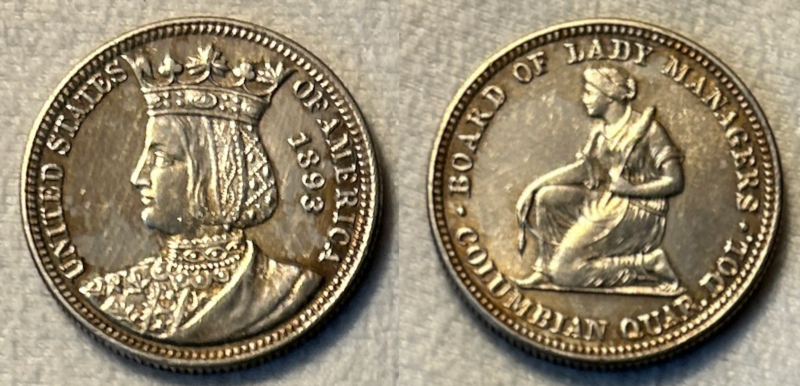
Obviously, the Board wanted a female on the obverse and decided on Queen Isabella I of Castile, who had provided vital financial support for Columbus’s voyages. Putting a foreign monarch on U.S. currency was unprecedented (indeed, there had a been a revolution over it), but according to Coin Week, the main source of conflict was over design.

Caroline Peddle, a former student of famed artist and coin designer Augustus Saint-Gaudens, was hired by the Board to design the coin. However, her sketches, which included a seated Isabella on the obverse and the inscription “Commemorative coin issued for the Board of Lady Managers of the World’s Columbian Exposition by Act of Congress, 1492–1892” on the reverse, were deemed to look too token-like and rejected. Rather than be allowed to redesign the coin, the Mint took away the reverse side and gave it to one of their in-house artists, Charles Barber, to design.

After some more back-and-forth and additional restrictions imposed by the Mint, Peddle resigned. The Mint then cobbled together some portraits of Isabella and ultimately produced an image of a young Isabella wearing a crown on her head for the obverse. On the reverse, the Mint went with an image of a woman kneeling while holding a distaff and spindle- symbolizing her industry. The Board had suggested an image of the Woman’s Building at the Expo, and Palmer later stated that the Board disliked the Mint’s reverse image because “we did not consider [it] typical of the woman of the present day.” However, the Mint made the final decision and approved the coin design.

To say that the reception for the commemorative quarter was not warm is a bit like saying that the American public didn’t embrace Apple’s Newton. The American Journal of Numsimatics was particularly brutal:

[W]e do not know who designed it, but in this instance, as in the half dollar, the contrast between examples of the numismatic art of the nation, as displayed on the Columbian coins, on the one hand, and the spirited and admirable work of the architects of the buildings, for instance, on the other, is painful. If these coins really represent the highest achievements of our medalist and our mints, under the inspiration of an opportunity without restrictions, the like of which has never been presented hitherto in the history of our national coinage, we might as well despair of its future…

The American Journal of Numismatics in October 1893, quoted by PCGS.

The Journal also drew a “mournful” comparison between the reverse design of the kneeling woman holding the distaff and spindle and the well-known “Am I Not a Woman and a Sister?” anti-slavery Hard Times Token. Surely, the Board felt vindicated by that line – although there’s no evidence Palmer or anyone else affiliated with them ever wrote to the Mint to say: “See? I told you we should gone with the building on the reverse.”
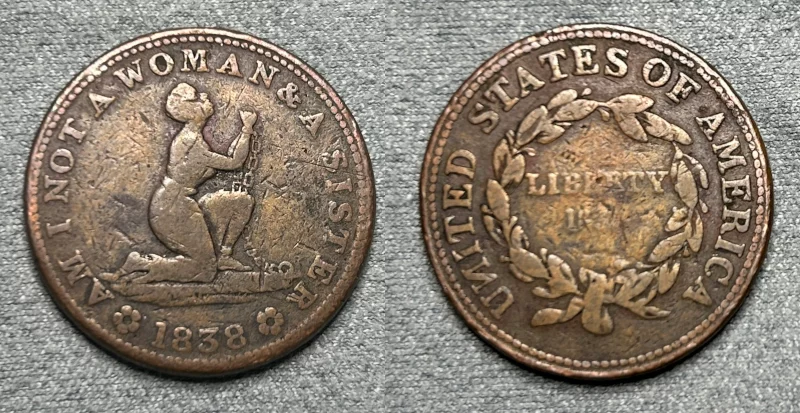
1838 HT-81 “Am I Not A Woman & A Sister?” (Image via me)

Sales figures, meanwhile, were disappointing. Of the 40,000 coins minted, a little more than half (21,180) ended up selling. According to NGC, the quarter’s sales were cannibalized by the Columbian Expo half dollar, which sold for the same price and was more widely available at the fair (5 million Columbian Expo half dollars were minted – 125 times as many compared to the Isabella quarter). While it didn’t come close to selling out, Coin Week points out that the quarters, which sold for $1 each, ended up being profitable for the Board. A $20,000-plus stream of revenue may not have been much, but it was double the original federal appropriation awarded to the Board. Of the remaining 19,000-plus quarters, approximately 15,000 went back to the Mint for melting.
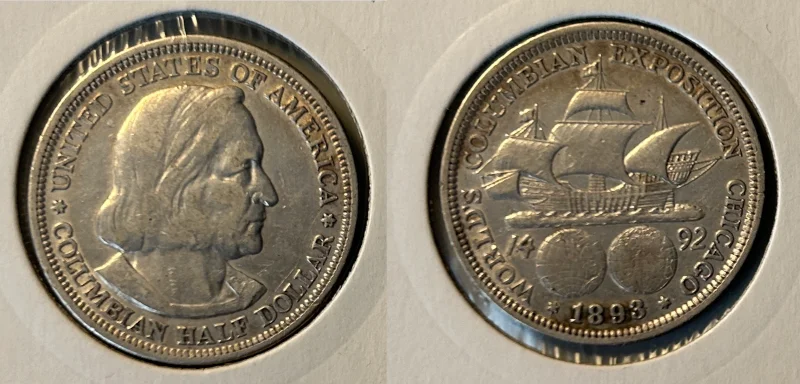
1893 Columbian Expo Half Dollar. (Image via me)

In recent years, the coin’s reputation has been rehabilitated and has become a highly sought-after collector’s item. Contemporary reviewers have praised its quaint design and its uniqueness among U.S. commemorative coins (until the modern commemoratives came around, it held the distinction as the only commemorative quarter in U.S. history – as well as the only one to depict a foreign monarch). Even the reverse of the coin has been somewhat vindicated. Art historian Cornelius Vermeule argued that the design wasn’t necessarily evocative of the anti-slavery token and even traced elements of it back to antiquities. “[S]ome details of drapery to a servant girl from the East Pediment of the Temple of Zeus at Olympia, work of about 460 B.C. with additions and revisions in the first or second centuries A.D.,” he wrote.

I love the design and how it distinguishes this coin from other early commemoratives. Too many coins from that era have a generic male bust on the obverse and either an eagle or state symbol on the reverse. Because of the relative scarcity of this coin, buying one wasn’t cheap (this one had been cleaned, which lowered its value, but it still ended up costing over $100). The price tag was worth it, as this has become one of my favorite coins.

So I guess the lesson here is that I should buy more modern commemoratives – even those that I think are ugly. After all, maybe they’ll skyrocket in value in 100 years…

https://victor-li.com/isabellaquarter/

Respuesta  Mensaje 72 de 74 en el tema 
De: BARILOCHENSE6999 Enviado: 28/01/2026 20:06


Respuesta  Mensaje 73 de 74 en el tema 
De: BARILOCHENSE6999 Enviado: 09/03/2026 01:38


Respuesta  Mensaje 74 de 74 en el tema 
De: BARILOCHENSE6999 Enviado: 09/09/2026 17:24
Modo IA Todo Imágenes Vídeos Noticias Maps Shopping Libros Vuelos Finance El contexto que mencionás une la arquitectura monumental, la geopolítica de la Restauración Borbónica y el regreso de las órdenes religiosas (como los jesuitas) bajo una fuerte carga simbólica de expiación y legitimidad monárquica. God In All Things El entramado de este escenario responde a los siguientes factores: 1. El eje Norte-Sur: Los Borbones y el control del espacio simbólico El diseño urbanístico de París conecta directamente la Iglesia de la Madeleine (al norte) con el Palais Bourbon (al sur), cruzando la Rue Royale y la Plaza de la Concordia. El equilibrio dinástico: Originalmente, este eje buscaba equilibrar el poder del rey (representado en la Madeleine, impulsada por Luis XV) frente a la nobleza o el parlamento (el Palais Bourbon). Tourleader.net +1 La resignificación del trauma: Tras la Revolución Francesa, la Plaza de la Concordia (situada en el medio del eje) se convirtió en el lugar donde Luis XVI y María Antonieta fueron guillotinados. Para la dinastía de los Borbones, cuando logran regresar al trono en la Restauración (1814-1815) con Luis XVIII, recuperar y redefinir este eje norte-sur se volvió una obsesión. Necesitaban "cerrar" el espacio del regicidio con monumentos de reconciliación y expiación católica. 2. El regreso de los jesuitas y el contexto de la Restauración El año clave para los jesuitas no es exactamente 1800, sino 1814. En ese año ocurren dos hechos simultáneos y profundamente conectados: El Papa Pío VII firma la bula Sollicitudo omnium ecclesiarum, restituyendo oficialmente a la Compañía de Jesús en todo el mundo católico tras décadas de supresión. Los Borbones regresan al trono de Francia (Luis XVIII) tras la caída de Napoleón Bonaparte. EBSCO +2 Ambos retornos forman parte del mismo proyecto político-religioso de la Europa post-napoleónica: la alianza entre el Altar y el Trono. Las monarquías restauradas vieron en el regreso de los jesuitas una herramienta indispensable para reeducar a la sociedad, extirpar las ideas revolucionarias y devolverle el control moral a la Iglesia católica. 3. La Madeleine: De Templo de la Gloria a Templo de Expiación Napoleón Bonaparte había tomado la inconclusa estructura de la Madeleine y ordenado reconfigurarla como un imponente templo secular dedicado a la "Gloria de sus Grandes Ejércitos" (con forma de templo grecorromano). Al regresar al poder en ese eje norte-sur, los Borbones toman una decisión drástica: cancelan el proyecto laico de Napoleón y devuelven la Madeleine a su función de iglesia católica. El edificio se redefine bajo el concepto de la "Reconciliación Nacional" y el arrepentimiento. En su interior, los frescos y las iconografías de la época (como los relieves de la Magdalena penitente) simbolizan a una Francia que "pide perdón" por los excesos de la Revolución y el Imperio, revalidando el derecho divino de los Borbones alineados de cara al Palacio Borbón. (Nota histórica sobre Luis VII: Si la referencia apunta al rey medieval Luis VII, su vínculo principal con este contexto es que el propio Luis XVIII, en su afán por reafirmar la legitimidad milenaria de su dinastía, ordenó en el siglo XIX recuperar sus restos y trasladarlos a la necrópolis real de Saint-Denis, uniendo el pasado medieval con la reconstrucción borbónica de la época). Si te interesa profundizar en algún punto, ¿querés que analicemos los mensajes políticos ocultos en el arte interior de la Madeleine o cómo afectó el regreso de los jesuitas a las universidades de la época? This context connects monumental architecture, the geopolitics of the Bourbon Restoration, and the return of religious orders (like the Jesuits) under a powerful symbolic charge of expiation and monarchical legitimacy. This scenario unfolds due to the following factors: 1. The North-South Axis: The Bourbons and the Control of Symbolic Space The urban design of Paris directly connects La Madeleine Church (to the north) with the Palais Bourbon (to the south), crossing the Rue Royale and the Place de la Concorde. Dynastic Balance: Originally, this axis sought to balance the power of the King (represented by La Madeleine, promoted by Louis XV) against the nobility or parliament (the Palais Bourbon). Resignifying Trauma: During the French Revolution, the Place de la Concorde—located right in the middle of this axis—became the square where Louis XVI and Marie Antoinette were guillotined. When the Bourbon dynasty managed to reclaim the throne during the Restoration (1814–1815) under Louis XVIII, reclaiming and redefining this north-south axis became an obsession. They needed to "enclose" the site of the regicide with monuments of reconciliation and Catholic expiation. 2. The Return of the Jesuits and the Context of the Restoration The key year for the Jesuits is not exactly 1800, but rather 1814. In that year, two simultaneous and deeply connected events took place: Pope Pius VII signed the bull Sollicitudo omnium ecclesiarum, officially restoring the Society of Jesus worldwide after decades of suppression. The Bourbons returned to the throne of France (Louis XVIII) following the fall of Napoleon Bonaparte. Both returns were part of the same political-religious project of post-Napoleonic Europe: the alliance between the Altar and the Throne. The restored monarchies viewed the return of the Jesuits as an indispensable tool to re-educate society, root out revolutionary ideas, and restore moral control to the Catholic Church. 3. La Madeleine: From Temple of Glory to Temple of Expiation Napoleon Bonaparte had taken the unfinished structure of La Madeleine and ordered it to be reconfigured as an imposing secular temple dedicated to the "Glory of the Grand Army" (shaped like a Greco-Roman temple). Upon returning to power along that north-south axis, the Bourbons made a drastic decision: they cancelled Napoleon's secular project and returned La Madeleine to its function as a Catholic church. The building was redefined under the concept of "National Reconciliation" and repentance. Inside, the frescoes and iconography of the era (such as the reliefs of the penitent Mary Magdalene) symbolized a France "asking for forgiveness" for the excesses of the Revolution and the Empire, thereby revalidating the divine right of the Bourbons directly facing the Palais Bourbon. (Historical note on Louis VII: If your reference points to the medieval king Louis VII, his main link to this context is that Louis XVIII—in his eagerness to reaffirm the ancient legitimacy of his dynasty—ordered his remains to be recovered and moved to the royal necropolis of Saint-Denis in the 19th century, merging the medieval past with the Bourbon reconstruction of the era). If you would like to explore this further, let me know if you want to look into the hidden political messages in the artwork inside La Madeleine, or how the Jesuits' return impacted the universities of that era. La respuesta del Modo IA está lista


Primer  Anterior  60 a 74 de 74  Siguiente   Último  
Tema anterior  Tema siguiente
 
©2026 - Gabitos - Todos los derechos reservados