|
|
The James Webb telescope: part alien life detector, part time machine
In the lead-up to the launch of the James Webb telescope, we look at the scientific objectives of the most powerful space observatory ever sent into orbit.
Are we alone in the universe? What did the first galaxies formed after the Big Bang look like? How did the planets in our solar system emerge? The James Webb telescope hopes to find answers to these existential questions.
Set to launch on December 22, the James Webb is the product of the combined scientific prowess of NASA, the European Space Agency (ESA) and the Canadian Space Agency (CSA) – and by extension, Université de Montréal (UdeM). The CSA contributed a scientific instrument and a guidance sensor to the massive observatory and René Doyon, Director of UdeM’s Institute for Research on Exoplanets (iREx) and a professor in the Physics Department, is the principal investigator on the Canadian scientific team.
Together, the components supplied by the CSA, NASA and the ESA form the most complex, accurate and powerful space observatory ever built, one that promises revolutionary discoveries in astronomy.
The unparalleled power of the observatory will help scientists throughout the world scrutinize the distant reaches of the universe to learn more about the composition and inhabitability of exoplanets and study the life cycle of stars.
Exploring new worlds in search of life
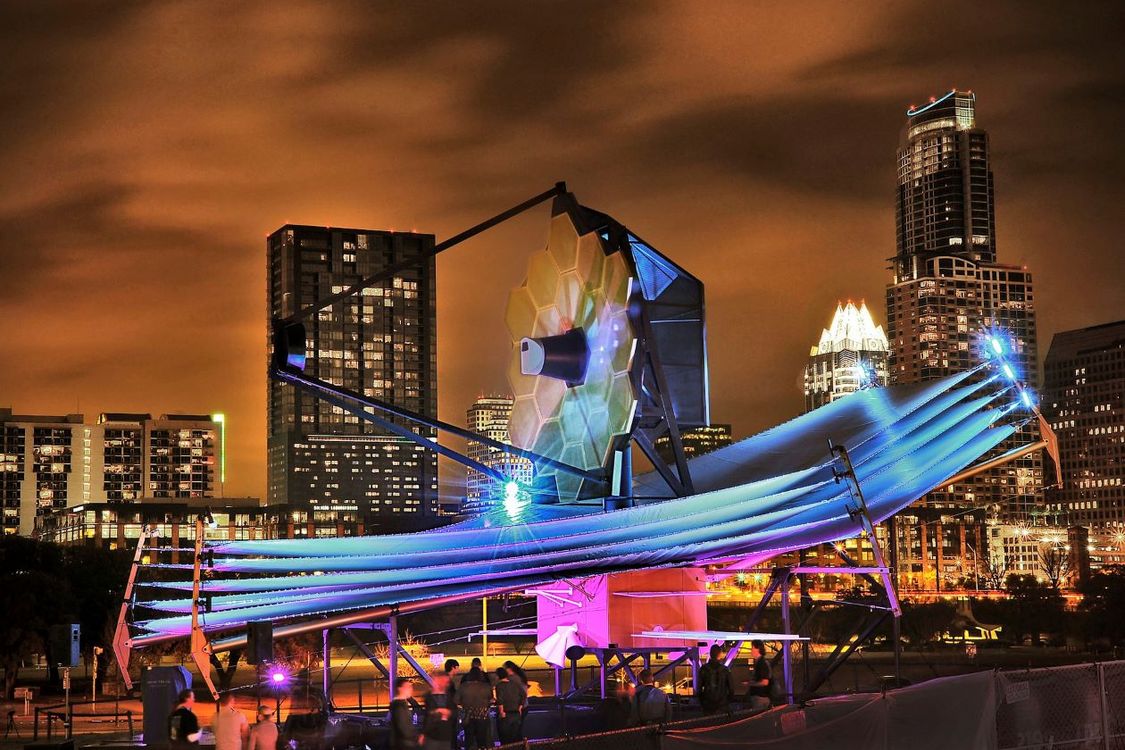
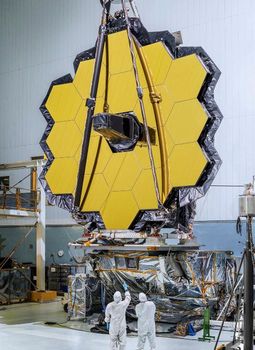
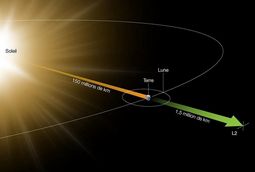
The James Webb Telescope is the successor to the Hubble space telescope but is more precise and efficient because of the size of its mirror, the range of light it can detect and its location.
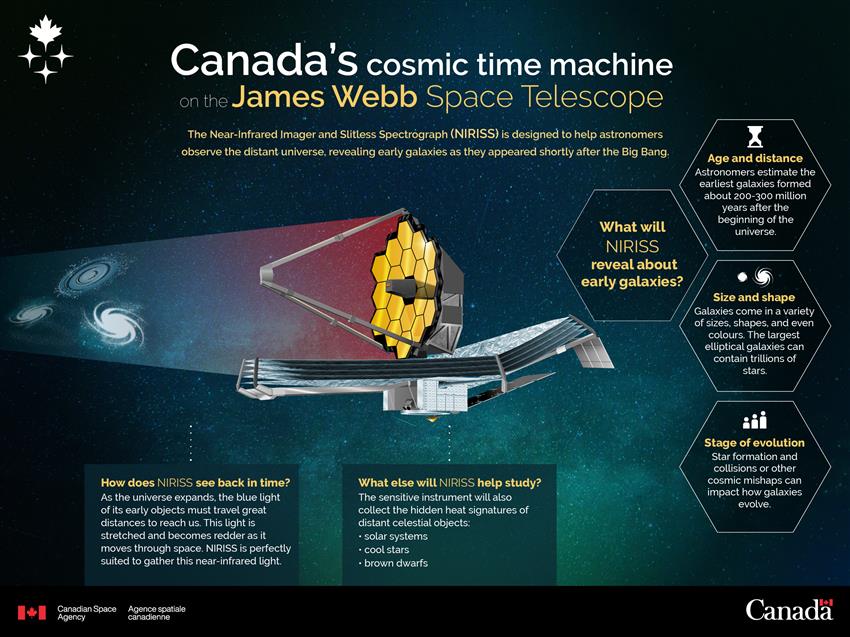
These attributes will enable the Webb to study the planets in our solar system and other planetary systems in unprecedented detail. Moreover, the scientific instrument developed by Doyon’s team is designed to analyze many types of celestial bodies, including the atmospheric composition of distant exoplanets.
“What we’re looking for, our holy grail, are ‘biosignatures,’ that is, signs of extraterrestrial life,” explained iREx coordinator Nathalie Ouellette, an astrophysicist who does communications for the James Webb.
She hastened to add that we shouldn’t imagine these signs of life the way they are depicted in science fiction films: “We’re talking about finding signs of biological activity or the signature of certain molecules that we have identified as essential to life, such as oxygen, water vapour, carbon dioxide, methane and ozone. Based on the presence of such molecules, particularly in certain combinations, we may be able to determine that conditions are conducive to the development of life when we explore an exoplanet using the telescope.”
Casting light on the dawn of the universe
Telescopes are also time machines of a sort. “Looking into space is like looking into the past,” said Ouellette. “Light waves travel so fast that, to the naked eye, they seem to flash instantly from one point to another. In space, however, the distances are so vast that the time it takes light to travel is perceptible.”
That makes the Webb a marvellous time machine. It will be able to see back in time to 200 million years after the Big Bang, something that has never been done before. “With the Hubble, we could go to 500 million years after the Big Bang, so now we’re going 300 million years further,” noted Ouellette. “That’s remarkable, considering that the beginning of the universe was a tumultuous period. Galaxies were colliding and stars were forming at a rapid pace.”
“Tell me where you come from and I’ll tell you who you are”
The Webb will thus improve our understanding of the development of the first luminous objects (galaxies) over time. Ouellette believes the telescope will also provide insight into the creation of our own solar system.
“We still have many questions about the origins of life in our solar system. We don’t know exactly how we came to be on Earth and how the planets were formed,” Ouellette pointed out. “By studying other systems, stars and planets at various stages of development, we hope to be able to trace our own history and understand ourselves better.”
That is the ultimate goal of the James Webb: to revolutionize our understanding of the universe and, above all, to place the Earth, in all its fragility and uniqueness, in a broader context.
https://nouvelles.umontreal.ca/en/article/2021/12/09/the-james-webb-telescope-part-alien-life-detector-part-time-machine/
|
|
|
|
|
|
|
| , MA History, BA History

Jesus Christ had twelve disciples, each of whom accompanied the Biblical savior during His time on earth. Many of them continued His Christian work after the ascension. The twelve men were Peter, James (Jesus’ brother), John, Andrew, Philip, Judas Iscariot (who betrayed Jesus, and was replaced by Matthias), Matthew, Thomas, James, the son of Alpheus, Bartholomew, Judas Thaddeus; and Simon the Zealot. Of them all, Saint James, also known as James, brother of Jesus, James, son of Alpheus, James the Lesser, James the Minor, and James the Just, was one of the most prominent and significant.
James, Son of Alphaeus, James the Greater, and James, the Brother of Jesus
 St James the Minor, Peter Paul Rubens, 1613. Source: Wikipedia St James the Minor, Peter Paul Rubens, 1613. Source: Wikipedia
Various Gospels are often ambiguous, at times, as to which James is being referenced. Two to three James’s are spoken of in the Gospels – James, brother of John (aka James the Greater); James, brother of Jesus, and James, son of Alphaeus. The Catholic doctrine of the perpetual virginity of Mary holds that James the son of Alpheus and James, brother of Jesus are the same person, as James could not be Jesus’ physical full brother. In Protestant readings, the two are separate. If the two are separate, then very little is known regarding James, son of Alpheus.
James, Brother of Jesus
 Statue of St. James the Less in the Archbasilica of St. John Lateran by Angelo de Rossi. Source: Wikipedia Statue of St. James the Less in the Archbasilica of St. John Lateran by Angelo de Rossi. Source: Wikipedia
James, the brother of Jesus, was a follower and Disciple of Jesus Christ during His earthly ministry and one of the first leaders of the early Christian Church. He remained in Jerusalem as leader of the church following the death, burial, resurrection, and ascension of Jesus, and was likely martyred at the temple in Jerusalem.
James’ Position in the Early Church
 St. James the Minor, by Georges de la Tour, 1615-20. Source: Wikipedia St. James the Minor, by Georges de la Tour, 1615-20. Source: Wikipedia
Get the latest articles delivered to your inbox
Sign up to our Free Weekly Newsletter
In Acts 15, a Council in Jerusalem was held regarding circumcision over which James presided. The Acts 15 Council is considered probably the first Christian council, where many Apostles congregated to discuss the matter brought by Paul and Barnabas. In Galatians 1, the Apostle Paul records a meeting with James in the process of Paul confirming his conversion to the other Apostles. James may have been the first elected leader within the early church. Through the writings of Eusebius in the 200s, we have the records of Clement of Alexandria from the second century that James was elected leader of the Jerusalem Church.
St James Was Martyred
 Saint James the Less (Menologion of Basil II). Source: The Byzantine Life Saint James the Less (Menologion of Basil II). Source: The Byzantine Life
The death of James the Just around 62 CE is recorded by Eusebius, Clement of Alexandria, and Josephus. Eusebius copied the chronicles of an earlier Christian, Hegesippus, who wrote that James was martyred by being thrown from the pinnacle of the temple in Jerusalem, and beaten with a club when the fall did not kill him.
Non-canonical Writings Attributed to Saint James
 The Protoevangelium of James, James Orr. Source: Rakuten Kobo The Protoevangelium of James, James Orr. Source: Rakuten Kobo
The Gospel of James, also known as The Protoevangelium of James, is a book of unknown source that was being circulated within the second century church. Both Origen and Clement of Alexandria reference the book in their writings, so it was at least written around that time. The Gospel of James contains the first mention of the idea of the perpetual virginity of Mary, the mother of Jesus. The book was condemned by Pope Innocent I in 405, and it has generally not been accepted throughout church history as canonical due to its late writing and inconstant content.
The First and Second Apocalypse of James and the Apocryphon of James are other 2nd century books whose author claimed to be James. Each of these books were from a collection of gnostic (secret knowledge) texts found in Egypt in 1945. In addition to an authorship too late to be James, they are also part of gnostic texts written in an attempt to legitimize the early movement within Christianity.
James, the Son of Alphaeus
 Two Martyr Saints in an Initial S (Alphaeus and Zacchaeus), 14th century. Source: Victoria and Albert Museum Two Martyr Saints in an Initial S (Alphaeus and Zacchaeus), 14th century. Source: Victoria and Albert Museum
James the son of Alphaeus, while mentioned in the listings of the apostles, has very few details known regarding his life. Outside of being listed among the apostles, and described in the Gospel of Mark as “the lesser” or “the smaller,” he is barely mentioned in the Bible. Several early Christian writings attempt to identify him with James the Just, but most try to maintain the perpetual virginity of Mary in a complex manner. It is speculated that he died as a martyr by crucifixion in Ostrakine, Egypt.
https://www.thecollector.com/who-was-saint-james-brother-of-jesus/ |
|
|
|
|
|
|
|
|
|
| , MA History, BA History
Jesus Christ had twelve disciples, each of whom accompanied the Biblical savior during His time on earth. Many of them continued His Christian work after the ascension. The twelve men were Peter, James (Jesus’ brother), John, Andrew, Philip, Judas Iscariot (who betrayed Jesus, and was replaced by Matthias), Matthew, Thomas, James, the son of Alpheus, Bartholomew, Judas Thaddeus; and Simon the Zealot. Of them all, Saint James, also known as James, brother of Jesus, James, son of Alpheus, James the Lesser, James the Minor, and James the Just, was one of the most prominent and significant.
James, Son of Alphaeus, James the Greater, and James, the Brother of Jesus
St James the Minor, Peter Paul Rubens, 1613. Source: Wikipedia
Various Gospels are often ambiguous, at times, as to which James is being referenced. Two to three James’s are spoken of in the Gospels – James, brother of John (aka James the Greater); James, brother of Jesus, and James, son of Alphaeus. The Catholic doctrine of the perpetual virginity of Mary holds that James the son of Alpheus and James, brother of Jesus are the same person, as James could not be Jesus’ physical full brother. In Protestant readings, the two are separate. If the two are separate, then very little is known regarding James, son of Alpheus.
James, Brother of Jesus
Statue of St. James the Less in the Archbasilica of St. John Lateran by Angelo de Rossi. Source: Wikipedia
James, the brother of Jesus, was a follower and Disciple of Jesus Christ during His earthly ministry and one of the first leaders of the early Christian Church. He remained in Jerusalem as leader of the church following the death, burial, resurrection, and ascension of Jesus, and was likely martyred at the temple in Jerusalem.
James’ Position in the Early Church
St. James the Minor, by Georges de la Tour, 1615-20. Source: Wikipedia
Get the latest articles delivered to your inbox
Sign up to our Free Weekly Newsletter
In Acts 15, a Council in Jerusalem was held regarding circumcision over which James presided. The Acts 15 Council is considered probably the first Christian council, where many Apostles congregated to discuss the matter brought by Paul and Barnabas. In Galatians 1, the Apostle Paul records a meeting with James in the process of Paul confirming his conversion to the other Apostles. James may have been the first elected leader within the early church. Through the writings of Eusebius in the 200s, we have the records of Clement of Alexandria from the second century that James was elected leader of the Jerusalem Church.
St James Was Martyred
Saint James the Less (Menologion of Basil II). Source: The Byzantine Life
The death of James the Just around 62 CE is recorded by Eusebius, Clement of Alexandria, and Josephus. Eusebius copied the chronicles of an earlier Christian, Hegesippus, who wrote that James was martyred by being thrown from the pinnacle of the temple in Jerusalem, and beaten with a club when the fall did not kill him.
Non-canonical Writings Attributed to Saint James
The Protoevangelium of James, James Orr. Source: Rakuten Kobo
The Gospel of James, also known as The Protoevangelium of James, is a book of unknown source that was being circulated within the second century church. Both Origen and Clement of Alexandria reference the book in their writings, so it was at least written around that time. The Gospel of James contains the first mention of the idea of the perpetual virginity of Mary, the mother of Jesus. The book was condemned by Pope Innocent I in 405, and it has generally not been accepted throughout church history as canonical due to its late writing and inconstant content.
The First and Second Apocalypse of James and the Apocryphon of James are other 2nd century books whose author claimed to be James. Each of these books were from a collection of gnostic (secret knowledge) texts found in Egypt in 1945. In addition to an authorship too late to be James, they are also part of gnostic texts written in an attempt to legitimize the early movement within Christianity.
James, the Son of Alphaeus
Two Martyr Saints in an Initial S (Alphaeus and Zacchaeus), 14th century. Source: Victoria and Albert Museum
James the son of Alphaeus, while mentioned in the listings of the apostles, has very few details known regarding his life. Outside of being listed among the apostles, and described in the Gospel of Mark as “the lesser” or “the smaller,” he is barely mentioned in the Bible. Several early Christian writings attempt to identify him with James the Just, but most try to maintain the perpetual virginity of Mary in a complex manner. It is speculated that he died as a martyr by crucifixion in Ostrakine, Egypt.
https://www.thecollector.com/who-was-saint-james-brother-of-jesus/ |
|
|
|
|
|
|
|
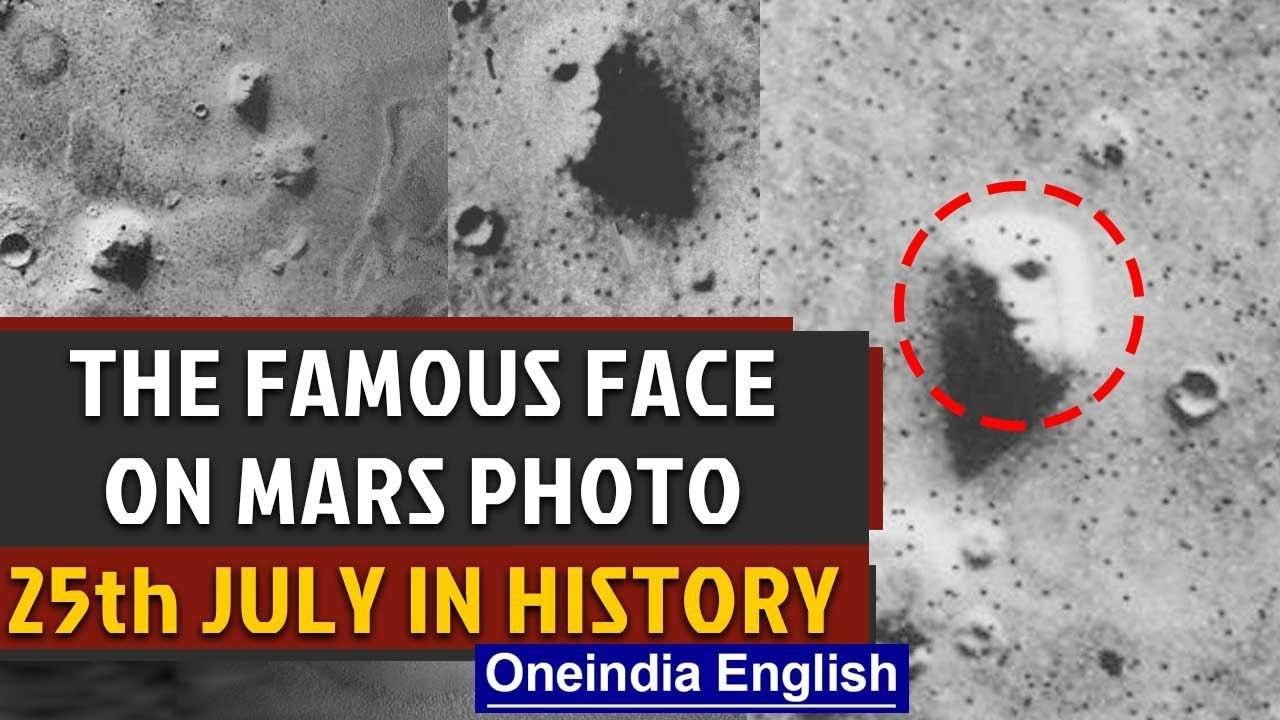
Modo IA Todo Imágenes Vídeos Noticias Maps Shopping Libros Vuelos Finance 9 sitios La supuesta relación entre estos elementos no proviene de la historia ni de la ciencia oficial, sino de teorías de conspiración, la ufología y el esoterismo surgidos a raíz de la cultura pop. Wikipedia La conexión se construye hilando tres eventos y conceptos totalmente independientes: 1. El 25 de julio de 1976 y la sonda Viking 1 Ese día exacto, la sonda espacial de la NASA Viking 1 tomó la famosa fotografía en la región marciana de Cidonia (Cydonia Mensae) que mostraba una formación rocosa con un parecido asombroso a un rostro humano, mundialmente conocida como la "Cara de Marte". Aunque la NASA demostró posteriormente (con imágenes de mayor resolución) que solo era una meseta natural y un efecto de luces y sombras (pareidolia), los investigadores de lo oculto afirmaron que era un monumento alienígena. Reddit ·r/space +2 2. El Código Da Vinci y María Magdalena En la novela de Dan Brown, El Código Da Vinci (2003), se popularizó la teoría conspirativa de que María Magdalena fue la esposa de Jesús y el verdadero "Santo Grial" (por portar su linaje o sangre real). Según la ficción del libro, sociedades secretas y el propio Leonardo da Vinci ocultaron pistas de este linaje sagrado y de la divinidad femenina en obras de arte. YouTube ·Miguel de Lys +2 3. El puente esotérico: La "Conexión Cidonia" La hipótesis que une a Marte, la Viking y el Santo Grial fue desarrollada por autores de la "historia alternativa" (como Richard C. Hoagland y defensores de la geometría sagrada). El argumento que los conecta sostiene que: Geometría Sagrada: Los teóricos afirman que los monumentos de Cidonia (la Cara de Marte y las supuestas pirámides de su alrededor) están alineados bajo las mismas constantes matemáticas y de geometría sagrada que ciertos monumentos templarios en la Tierra. Encyclopedia.com +1 El culto a la Diosa: En la mitología y astrología esotérica, se asocia la región de Cidonia en Marte con antiguos cultos a la fertilidad y a deidades femeninas. Bajo esta lógica pseudocientífica, la "Cara de Marte" no representa a un hombre, sino a la Diosa Madre (identificada en el esoterismo occidental e historias como la de Dan Brown bajo la figura de María Magdalena y el principio sagrado femenino). ACI Prensa En resumen, la conexión es una construcción de la literatura de misterio moderna: vincula la fecha en que la Viking 1 fotografió la Cara de Marte con la idea de que ese "rostro" y las estructuras marcianas contienen la clave geométrica que apunta al secreto mejor guardado de los Templarios: el linaje de María Magdalena planteado en El Código Da Vinci. Encyclopedia.com +2 Si te interesa este tipo de mitología moderna, ¿te gustaría saber cómo desmintió la NASA la Cara de Marte con fotografías recientes, o prefieres profundizar en los misterios reales que inspiraron a Dan Brown para su libro? Mercado Libre HISTORICAL ERRORS IN THE DA VINCI CODE Miniatura de vídeo relacionado 44:13 YouTube·Miguel de Lys El código Da Vinci - Wikipedia, la enciclopedia libre Wikipedia LOS SECRETOS DEL CÓDIGO DA VINCI #shorts Miniatura de vídeo relacionado 0:59 YouTube·History Latinoamérica Mostrar todo La respuesta del Modo IA está lista |
|
|
|
|
Modo IA Todo Imágenes Vídeos Noticias Maps Shopping Libros Vuelos Finance 14 sitios The core relationship linking these seemingly completely unrelated topics is the convergence of modern astronomical events, historical battle sites, and geographical legends in France, which are heavily romanticized in esoteric pop culture (like The Da Vinci Code). Spirituality+Health +1 While there is no singular historical or scientific text connecting all of them, they weave a complex web of geographical, nominal, and dates coincidences. 1. The Astronomical Spark: July 25, 1976 and Viking 1 On July 25, 1976, NASA's Viking 1 orbiter took the famous photo of the "Face on Mars" in the Cydonia region. The Planetary Society +1 The Esoteric Link: This photo birthed endless conspiracy theories about ancient alien civilizations, pyramids on Mars, and secret sacred geometry. Authors of alternative history frequently connect these "Martian secrets" to secret societies on Earth (like the Priory of Sion). Facebook ·National Air and Space Museum, Smithsonian Institution +1 2. The Religious & Calendar Link: St. James Day July 25th is the Feast of Saint James (Día de Santiago), the patron saint of Spain. The Pilgrim Link: St. James is tied to the Camino de Santiago (Way of St. James). In esoteric lore and books like The Da Vinci Code, ancient pilgrim routes like the Camino are often claimed to be built over pagan ley lines or secret routes protecting "the sacred feminine" (Mary Magdalene). Spirituality+Health +1 3. The Normandy and Mary Magdalene Connection The word "Viking" directly relates to Normandy, as Normandy literally means "Land of the Northmen (Vikings)". The region was given to Viking leader Rollo in 911. Reddit ·r/AskHistorians D-Day (June 6, 1944): The Allied invasion took place on the beaches of Normandy. One of the first villages liberated on D-Day was Sainte-Mère-Église. Wikipedia +1 Mary Magdalene: In French tradition, Sainte-Mère-Église (Holy Mother Church) is symbolically tied to the cult of Mary Magdalene. French mythology states that after the crucifixion, Mary Magdalene fled to the south of France. Her bloodline (the Holy Grail) supposedly moved north into the Merovingian royal dynasties, establishing deep roots in regions like Normandy. History Today +3 4. The Da Vinci Code Synthesis Dan Brown’s mega-bestseller, The Da Vinci Code, is the ultimate glue for these topics: Wikipedia It popularizes the alternative history that Mary Magdalene was the wife of Jesus and the true "Holy Grail". It states that secret codes hidden in Leonardo da Vinci's art (like The Last Supper) protect this secret. It relies heavily on French geography (from Paris to rural churches) to trace the path of her descendants through France—the very lands conquered by the Vikings (Normandy) and fought over during D-Day. Wikipedia +3 Summary of the Web If you map these points out together, they form a classic "conspiracy web": [July 25] ── Feasts St. James (Santiago) ── Path of Sacred Feminine │ [Viking 1] ── Captures "Face on Mars" (1976) ── Fuels Esoteric/Alien Lore │ │ [Vikings] ── Settled Normandy (D-Day Sites) ────────────┤ ▼ [The Da Vinci Code] ── Mary Magdalene If you are researching a specific book, movie, or puzzle that mentions this exact combination, please let me know! I can look up the specific riddle or author you are reading to give you a precise breakdown. El código Da Vinci - Wikipedia, la enciclopedia libre Wikipedia La Edad Media contemporánea Estudio de la novela española de tema ... Academia.edu Ahora lo sabes: héroes, villanos y visionarios: Ahora conoces a los ... Traducido·dokumen.pub Mostrar todo La respuesta del Modo IA está lista |
|
|
|
|
Modo IA Todo Imágenes Vídeos Noticias Maps Shopping Libros Vuelos Finance No existe ninguna conexión científica, histórica o teológica real entre las bodas de Caná, el telescopio James Webb, la bandera de Israel, el planeta Saturno, Canadá y el actor Michael J. Fox. Los vínculos que mencionás forman parte de una teoría de conspiración de asociación libre y numerología mística. Estas teorías conectan elementos totalmente independientes (religión, astronomía, cine y geografía) buscando patrones o coincidencias visuales donde no los hay. A continuación, desarmamos y explicamos el origen real de cada uno de los puntos que mencionás: 1. El "séptimo día" en el Evangelio de Juan La interpretación de que las Bodas de Caná (Juan 2:1-11) ocurren en un "séptimo día" es una lectura teológica común, pero puramente simbólica. La cuenta de los días: Si sumás las referencias temporales en Juan 1 (el testimonio de Juan el Bautista, "al día siguiente", etc.) y le sumás los "tres días después" con los que empieza Juan 2, da un total de siete días. El significado: Los teólogos explican que el autor del Evangelio estructuró el texto así para hacer un paralelo con los siete días de la Creación del Génesis, presentando a Jesús como el inicio de una "nueva creación". No tiene relación con máquinas del tiempo ni conspiraciones modernas. 2. El Telescopio James Webb y el supuesto "Cubo" El telescopio James Webb no está diseñado con base en un cubo, sino en un patrón geométrico hexagonal optimizado para la ingeniería espacial. Diseño hexagonal: Su espejo principal está compuesto por 18 segmentos hexagonales (de seis lados). La razón científica: El hexágono es la única forma geométrica regular que permite empaquetar los segmentos sin dejar espacios vacíos entre ellos y, al mismo tiempo, formar un espejo final aproximadamente circular. Esto maximiza la captación de luz y permite que el espejo se pliegue dentro del cohete antes del lanzamiento. No hay ninguna referencia oculta al cubo de Saturno. 3. Saturno, el Cubo Negro y la Bandera de Israel Esta es una teoría esotérica de internet muy difundida que mezcla símbolos de manera forzada: El hexágono de Saturno: En el polo norte de Saturno existe una corriente de gravedad y viento con forma de hexágono real, fotografiada por la sonda Voyager y Cassini. La conexión con el cubo: En la geometría tridimensional, si dibujás las diagonales de un hexágono bidimensional, visualmente se puede proyectar la imagen de un cubo tridimensional (específicamente un cubo mirando de esquina). De ahí surge el mito en internet del "Cubo de Saturno". La bandera de Israel: El símbolo central es la Estrella de David (un hexagrama). Aunque comparte la raíz geométrica del seis con el hexágono, su origen es un símbolo religioso e identitario judío de hace siglos, completamente ajeno a la astronomía moderna o a cultos saturninos. 4. Canadá, el Vaticano y Michael J. Fox La relación de estos elementos con la película Volver al Futuro y el Vaticano responde a una coincidencia geográfica y biográfica ordinaria, no a un plan maestro de viajes en el tiempo: Michael J. Fox: Es canadiense simplemente porque nació en Edmonton, Alberta, en 1961. Su éxito en Hollywood se debió a su talento actoral en series como Family Ties, lo que lo llevó a ser elegido por Robert Zemeckis para interpretar a Marty McFly en Volver al Futuro. Canadá y el Vaticano: Son dos estados soberanos con relaciones diplomáticas estándar. La idea de que Canadá está "conectado matemáticamente o místicamente" con el Vaticano a través de líneas en la tierra o profecías es un recurso habitual de las teorías geopolíticas alternativas de internet. Conclusión Cuando se toman textos religiosos, formas geométricas básicas (como el hexágono o el cubo), nacionalidades de actores famosos y misiones de la NASA, es fácil forzar una narrativa donde todo parece encajar. Sin embargo, cada uno de estos hechos tiene una explicación lógica, científica o histórica independiente. Si querés, decime qué parte te genera más curiosidad y puedo detallarte: La física real detrás del espejo hexagonal del James Webb. El análisis teológico de la estructura de días en el Evangelio de Juan. Cómo se formó la tormenta con forma de hexágono en Saturno. La respuesta del Modo IA está lista |
|
|
 Primer
Anterior
35 a 49 de 49
Siguiente Primer
Anterior
35 a 49 de 49
Siguiente
 Último
|