|
|

GRAN DRAGÓN ESCARLATA O BESTIA DE 7 CABEZAS:
ISLA SAN GIORGIO (VENECIA)=GEORGE LEMAITRE
Sapientia Aedificavit Sibi Domum. Es decir, "la sabiduría ha edificado aquí su casa". Resulta curioso que la misma frase aparece en el Evangelio de María Magdalena, un texto apócrifo. Se dice que en el interior de esta iglesia y de otras muchas de Venecia está escondido el tesoro de los templarios. Pero no hay ninguna prueba de ello. Para terminar ya con esta entrada me gustaría que nos acercásemos un momento a uno de los edificios más emblemáticos de Venecia: el Palacio Ducal.

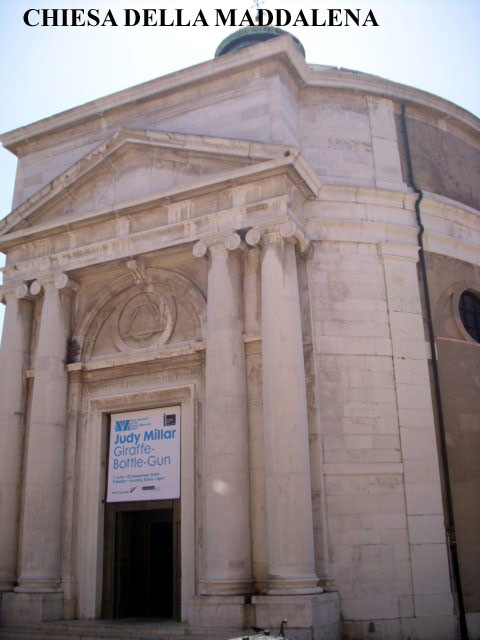
La Maddalena

Tomb of Tommaso Temanza
|
|
|
|
|
GRAN DRAGÓN ESCARLATA O BESTIA DE 7 CABEZAS:
ISLA SAN GIORGIO (VENECIA)=GEORGE LEMAITRE
|
|
|
|
|
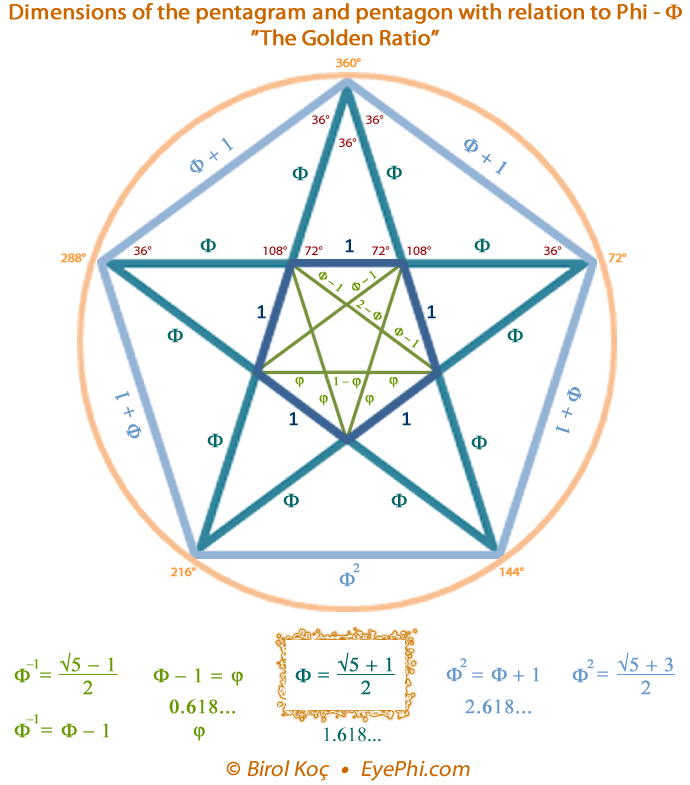
22/7=3.14
¿USTED ES UN NARCISISTA QUE NO CREE EN LA CIENCIA?
MOON=RACHEL
YELLOW=JACOB=ISRAEL
RED=BENJAMIN
|
|
|
|
|
LA TUMBA DE JULES VERNE
La tumba de Jules Verne es una de las más espectaculares del cementerio de La Madeleine.
Fallecido el 24 de marzo de 1905, el escritor fue inhumado el 28 del mismo mes. Su tumba fue primero una mera placa de cemento con esta inscripción: «Jules Verne 1905». Su familia encargó entonces una escultura para adornarla. El escultor Albert Roze conocía a Jules Verne desde la década de 1890. Ya había realizado un busto de mármol del novelista y, al fallecer el autor, modeló un medallón con su efigie, una especie de máscara mortuoria que se conserva actualmente en la Casa de Jules Verne.
Roze elaboró una escultura de yeso titulada «Hacia la inmortalidad y la eterna juventud»: representa al escritor levantando la lápida de su tumba, con el brazo extendido hacia el cielo. Una primera versión de esta alegoría de la inmortalidad y de la gloria literaria fue presentada en el Salón de Artistas Franceses en 1907, antes de ser realizada en mármol e instalada en la tumba del novelista ese mismo año. El monumento, que recuerda la arquitectura de un templo con su frontón y sus columnas, fue diseñado por el arquitecto Edmond Douillet.
Esta tumba está clasificada como Monumento Histórico desde 1995.
https://www.amiens.fr/Grands-projets/Aronnax/Etapes/etape-16/Cimetiere-de-la-Madeleine-espagnol |
|
|
|
|
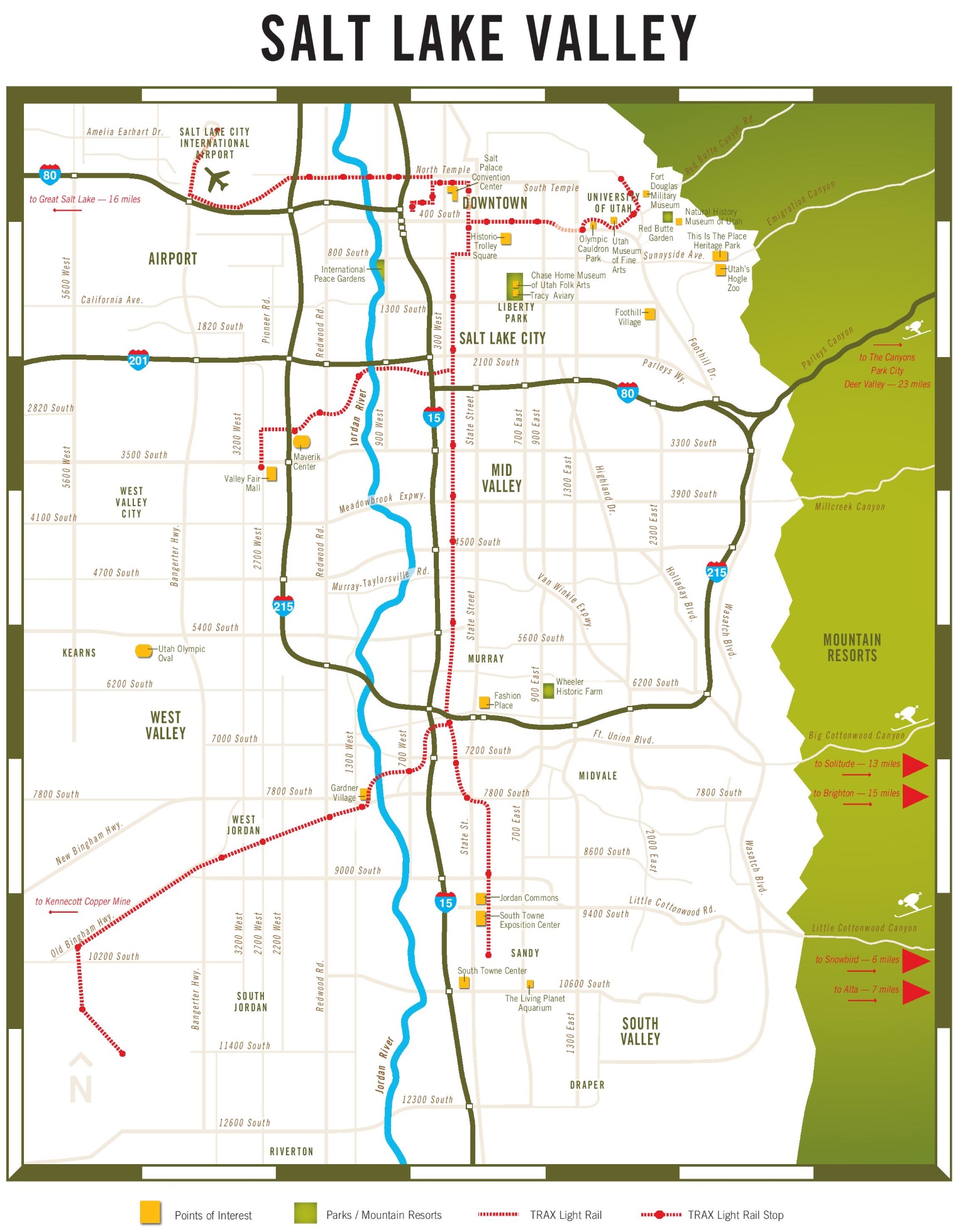
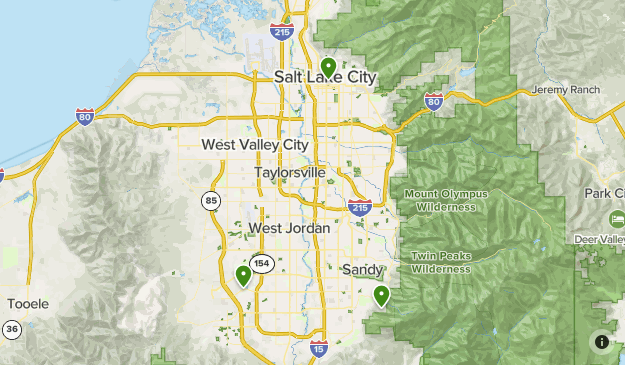
salt lake city=alchemy (salt)=dollar=$= LOT S WIFE (SODOMA AND GOMORRA)
|
|
|
|
|
Viking 1

Viking orbiter/lander
|
| |
| Mission type |
Orbiter and lander |
| Operator |
NASA |
| COSPAR ID |
Orbiter: 1975-075A
Lander: 1975-075C |
| SATCAT no. |
Orbiter: 8108
Lander: 9024 |
| Website |
Viking Project Information |
| Mission duration |
Orbiter: 1,846 days (1797 sols)
Lander: 2,306 days (2,245 sols)
Launch to last contact: 2,642 days |
| |
| Manufacturer |
Orbiter: NASA JPL
Lander: Martin Marietta |
| Launch mass |
3,530 kg[a] |
| Dry mass |
Orbiter: 883 kg (1,947 lb)
Lander: 572 kg (1,261 lb) |
| Power |
Orbiter: 620 W
Lander: 70 W |
| |
| Launch date |
21:22, August 20, 1975 (UTC)[2][3] |
| Rocket |
Titan IIIE/Centaur |
| Launch site |
LC-41, Cape Canaveral |
| |
| Last contact |
November 11, 1982[4] |
| |
| Reference system |
Areocentric |
| |
| Spacecraft component |
Viking 1 Orbiter |
| Orbital insertion |
June 19, 1976[2][5] |
| Periareion altitude |
320 km (200 mi) |
| Apoareion altitude |
56,000 km (35,000 mi) |
| Inclination |
39.3° |
| Spacecraft component |
Viking 1 Lander |
| Landing date |
July 20, 1976[2]
11:53:06 UTC (MSD 36455 18:40 AMT) |
| Landing site |
 22.27°N 312.05°E[2] 22.27°N 312.05°E[2] |
|
|
|
|
|
|
|
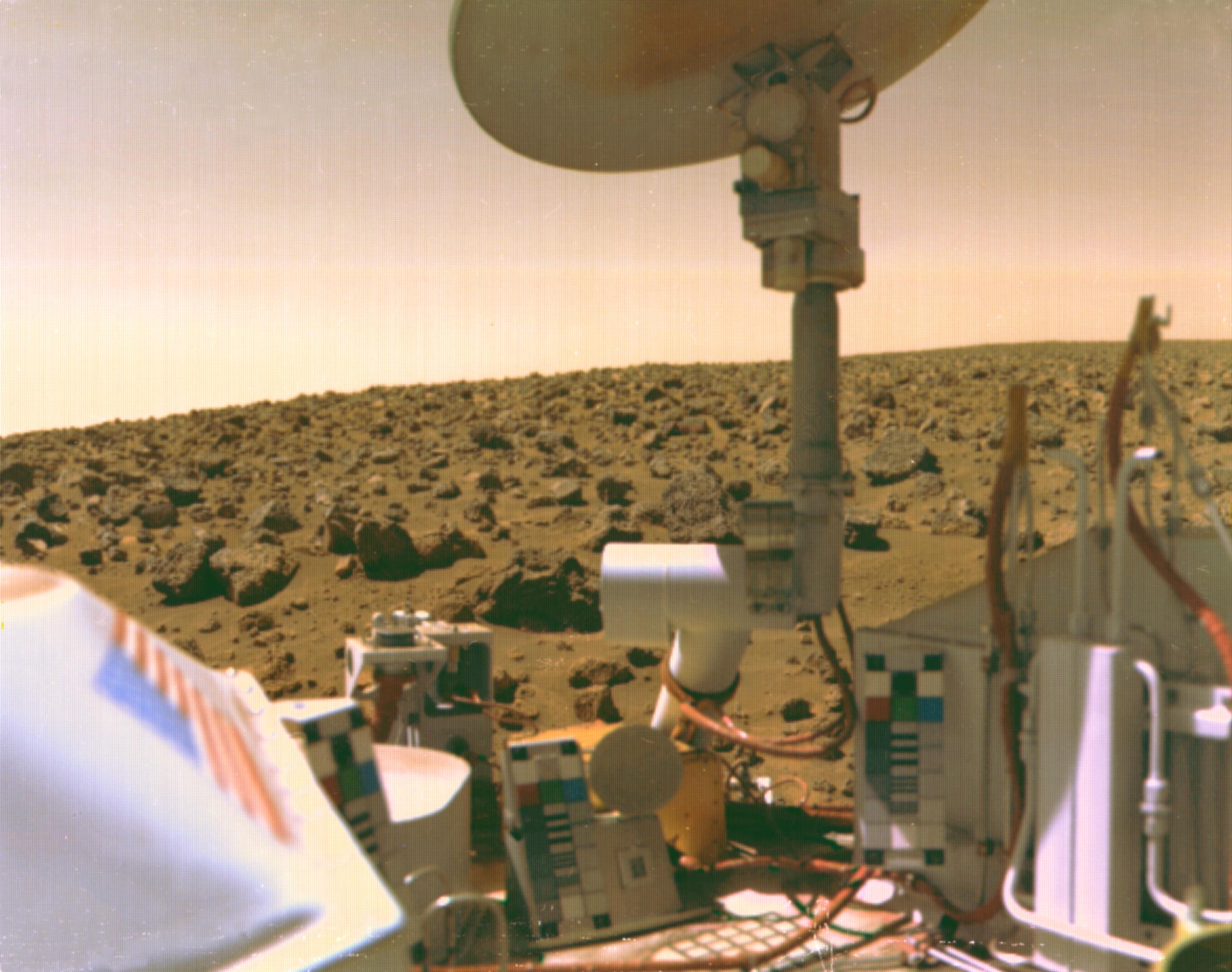
Both NASA Viking missions used a combination of orbiter and lander to explore Mars in unprecedented detail.
- Viking 2 entered orbit around Mars on Aug. 7, 1976.
- The lander touched down safely on Sept. 3, 1976, about 4,000 miles (6,460 kilometers) from the Viking 1.
- In total, the two Viking orbiters returned 52,663 images of Mars and mapped about 97 percent of the surface at a resolution of 984 feet (300 meters) resolution. The landers returned 4,500 photos of the two landing sites.
| Nation |
United States of America (USA) |
| Objective(s) |
Mars Landing and Orbit |
| Spacecraft |
Viking-A |
| Spacecraft Mass |
7,776 pounds (3,527 kilograms) |
| Spacecraft Power |
Lander each carried two SNAP-19 Radioisotope Thermoelectric Generators (RTGs); Orbiters were solar-powered |
| Mission Design and Management |
NASA Langley Research Center (LaRC) / NASA Jet Propulsion Laboratory (JPL) |
| Launch Vehicle |
Titan IIIE-Centaur (TC-3 / Titan no. E-3 / Centaur no. D-1T) |
| Launch Date and Time |
Sept. 9, 1975 / 18:39:00 UT |
| Launch Site |
Cape Canaveral, Fla. / Launch Complex 41 |
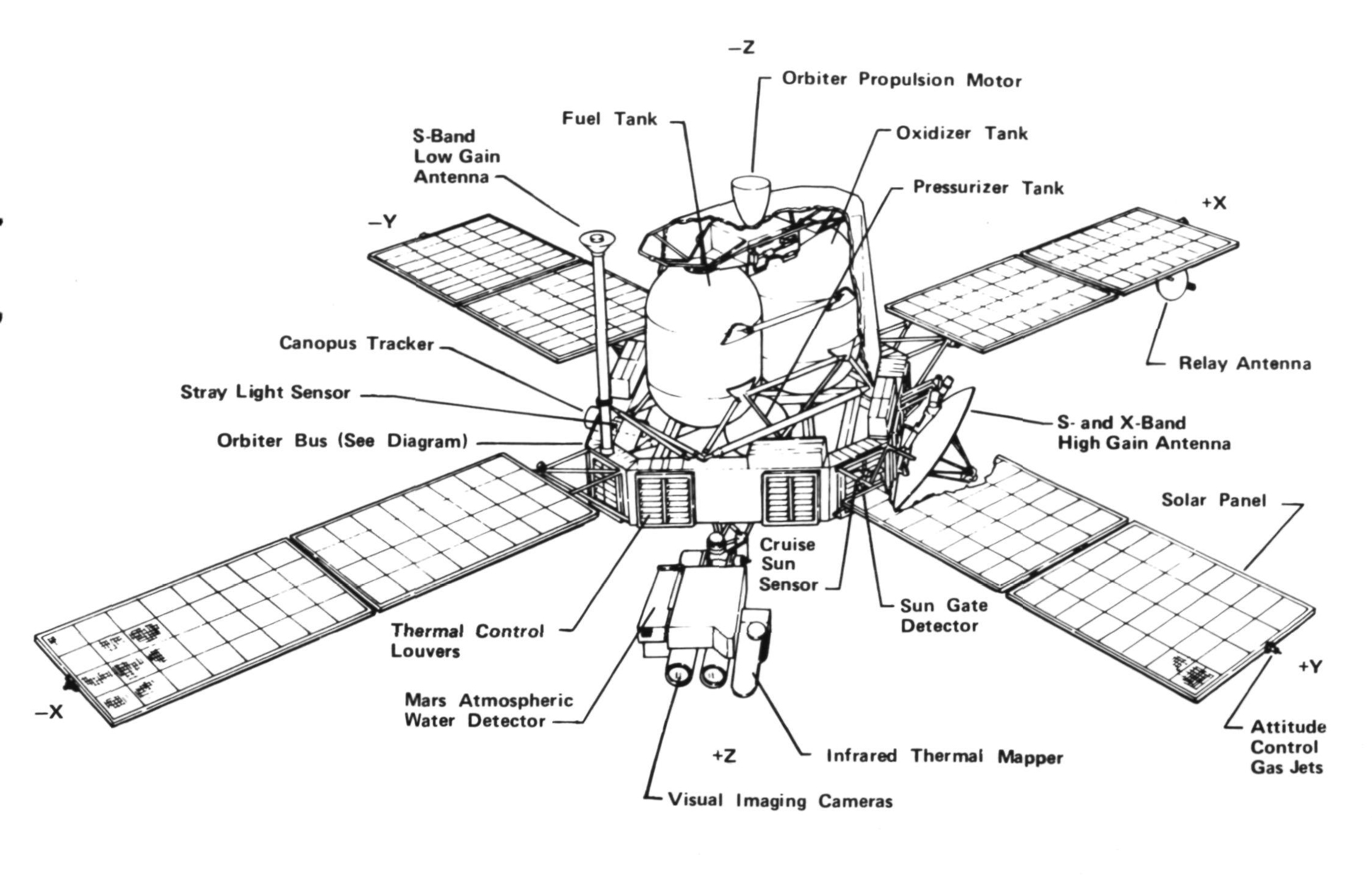
| Scientific Instruments |
Orbiter
1. Imaging System (2 Vidicon Cameras) (VIS)
2. infrared Spectrometer for Water Vapor Mapping (MAWD)
3. Infrared Radiometer for Thermal Mapping (IRTM)
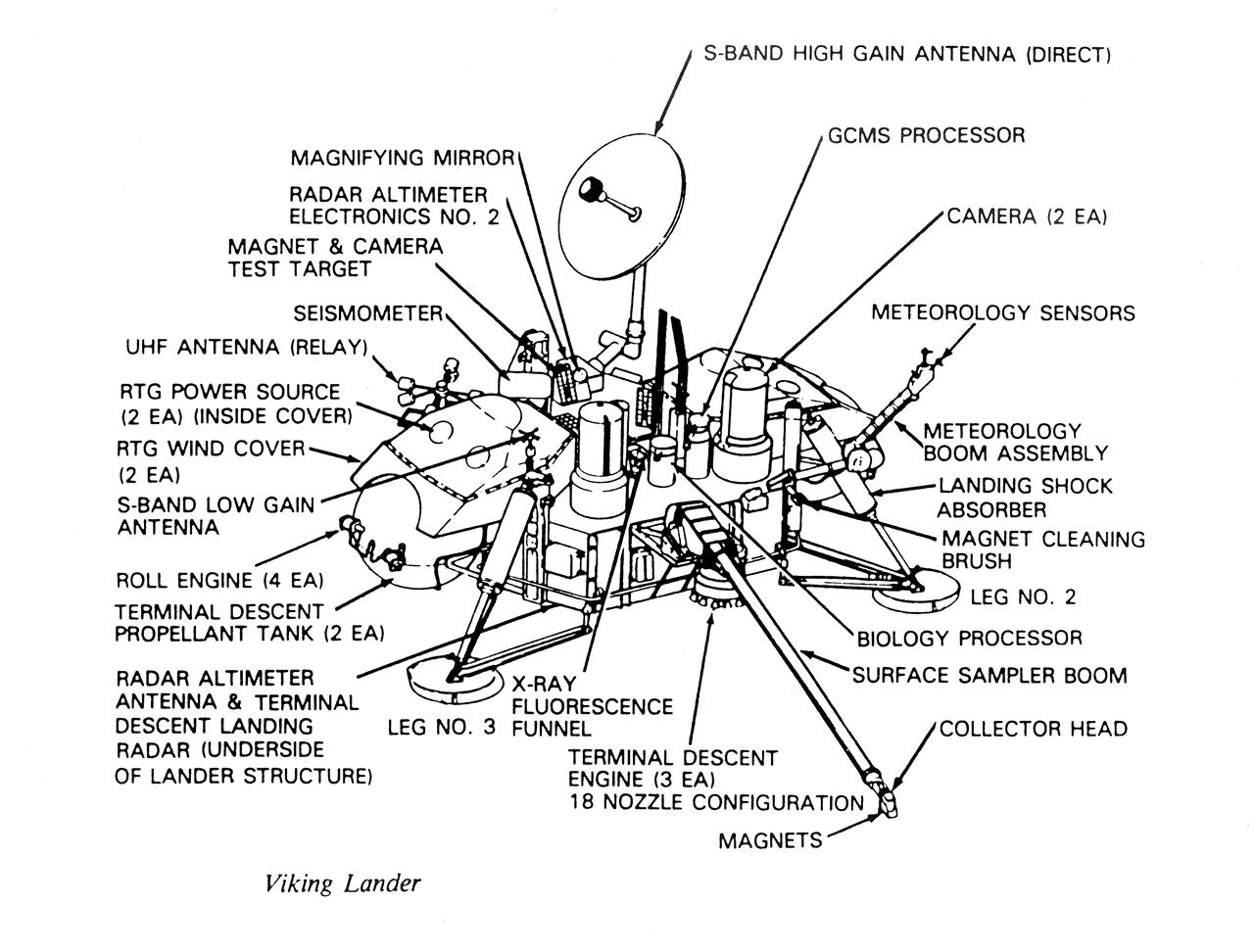
Lander
1. Imaging System (2 facsimile cameras)
2. Gas Chromatograph Mass Spectrometer (GCMS)
3. Seismometer
4. X-Ray Fluorescence Spectrometer
5. Biological Laboratory
6. Weather Instrument Package (Temperature, Pressure, Wind Velocity)
7. Remote Sampler Arm
Aeroshell
1. Retarding Potential Analyzer
2. Upper-Atmosphere Mass Spectrometer
3. Pressure, Temperature, and Density Sensors |
Aug. 7, 1976: Viking 2 entered orbit around Mars
Sept. 3, 1976: Lander touches down safely on the surface of Mars
July 24, 1978: End of orbiter operations
April 12, 1980: End of lander mission
The Viking-A spacecraft was scheduled to be launched first but ended up being launched second due to a problem with its batteries. It was renamed Viking 2.
After a successful launch and a course correction Sept. 19, 1975, Viking 2 entered orbit around Mars nearly a year after launch Aug. 7, 1976. Initial orbital parameters were 933 × 22,200 miles (1,502 × 35,728 kilometers) inclined at 55.6 degrees.
As with Viking 1, photographs of the original landing site indicated rough terrain, prompting mission planners to select a different site at Utopia Planitia near the edge of the polar ice cap where water was located and where there was a better chance of finding signs of life.
The lander separated from the orbiter without incident at 20:19 UT Sept. 3, 1976, and after atmospheric entry, landed safely at 22:37:50 UT, about 4,000 miles (6,460 kilometers) from the Viking 1 landing site. Touchdown coordinates were 47.968 degrees north latitude and 225.71 degrees west longitude.
Photographs of the area showed a rockier, flatter site than that of Viking 1. The lander was in fact tilted 8.5 degrees to the west. Panoramic views of the landscape showed a terrain different from that of Viking 1, with much less definition and very little in the way of horizon features. Because of the lack of general topographical references on the ground, imagery from the orbiters was unable to precisely locate the lander.
The biology experiments with scooped up soil collected on three occasions (beginning Sept. 12, 1976) produced similar results to its twin: inconclusive on whether life exists or ever has existed on the surface of Mars. Scientists believed that Martian soil contained reactants created by the ultraviolet bombardment of the soil that could produce characteristics of living organisms in Earth soil.
On Nov. 16, 1976, NASA announced that both Viking 1 and Viking 2 missions had successfully accomplished their mission goals and announced an extended mission that continued until May 1978 followed by a "Continuation Mission" until July 1979.
The orbiter continued its successful imaging mission, coming within 17 miles (28 kilometers) of the Martian Moon Deimos in May 1977.
A series of leaks prompted termination of the Viking 2 orbiter operations July 24, 1978, while the Viking 2 lander continued to transmit data until April 12, 1980.
In July 2001, the Viking 2 lander was renamed the Gerald Soffen Memorial Station after Gerald Soffen (1926-2000), the NASA Project Scientist for Viking who had died recently.
In total, the two Viking orbiters returned 52,663 images of Mars and mapped about 97% of the surface at a resolution of about 980 feet (300 meters) resolution.
The Viking landers returned 4,500 photos of the two landing sites.
https://science.nasa.gov/mission/viking-2/ |
|
|
|
|
 Maud, 1897 Maud, 1897
On 22 July 1896, Maud married her first cousin, Prince Carl of Denmark, in the private chapel at Buckingham Palace. Carl was the second son of Queen Alexandra's eldest brother, Crown Prince Frederik of Denmark, and Princess Louise of Sweden. The bride's father gave them Appleton House on the Sandringham Estate as a country residence for her frequent visits to England. It was there that the couple's only child, Prince Alexander, was born on 2 July 1903.[8]
While in Denmark, Maud was often homesick and preferred her native English customs; her talk, interests, and pursuits were those of English county society. She was never happier than when gardening, riding, bicycling, or driving a wagonette. Although her Copenhagen home, a suite of twelve rooms in what was known as Bernstorff Mansion beside the Amalienborg Palace, was furnished 'to reflect English taste', she was still dissatisfied. However, she divided her time between her little mansion in Copenhagen and Appleton House, her adored English country home. The responsibilities of marriage and motherhood had made very little difference to Maud's looks, personality, or way of life. With her piled coiffure, her high collars, and her small, slim-waisted figure, she was still like an echo of her mother.
Carl served as an officer in the Royal Danish Navy, and he and his family lived mainly in Denmark until 1905. In June 1905, the Norwegian Storting dissolved Norway's 91-year-old union with Sweden and voted to offer the throne to Prince Carl of Denmark. Maud's membership in the British royal house played some part in why Carl was chosen. Following a plebiscite in November, Prince Carl accepted the Norwegian throne as King Haakon VII, while his young son was renamed Olav. King Haakon VII and Queen Maud were crowned at Nidaros Cathedral in Trondheim on 22 June 1906; there has not been a coronation in Scandinavia since.
|
|
|
|
|
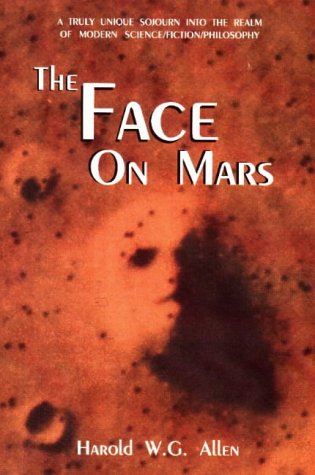
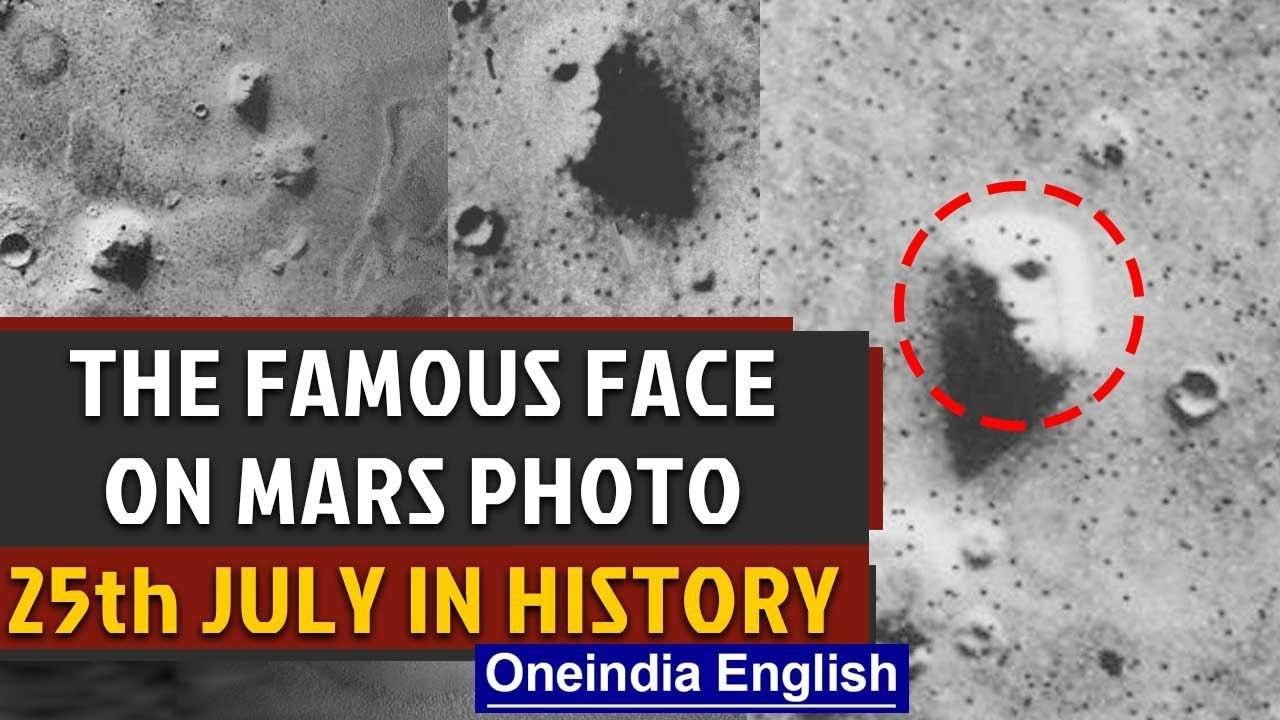
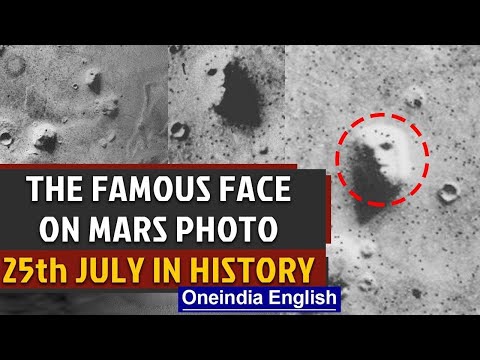
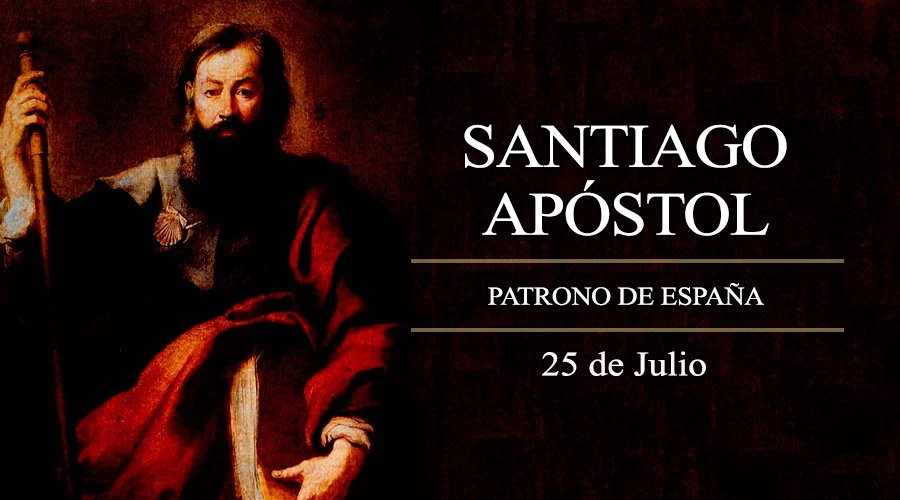
Modo IA Todo Imágenes Vídeos Noticias Maps Shopping Libros Vuelos Finance 14 sitios The core relationship linking these seemingly completely unrelated topics is the convergence of modern astronomical events, historical battle sites, and geographical legends in France, which are heavily romanticized in esoteric pop culture (like The Da Vinci Code). Spirituality+Health +1 While there is no singular historical or scientific text connecting all of them, they weave a complex web of geographical, nominal, and dates coincidences. 1. The Astronomical Spark: July 25, 1976 and Viking 1 On July 25, 1976, NASA's Viking 1 orbiter took the famous photo of the "Face on Mars" in the Cydonia region. The Planetary Society +1 The Esoteric Link: This photo birthed endless conspiracy theories about ancient alien civilizations, pyramids on Mars, and secret sacred geometry. Authors of alternative history frequently connect these "Martian secrets" to secret societies on Earth (like the Priory of Sion). Facebook ·National Air and Space Museum, Smithsonian Institution +1 2. The Religious & Calendar Link: St. James Day July 25th is the Feast of Saint James (Día de Santiago), the patron saint of Spain. The Pilgrim Link: St. James is tied to the Camino de Santiago (Way of St. James). In esoteric lore and books like The Da Vinci Code, ancient pilgrim routes like the Camino are often claimed to be built over pagan ley lines or secret routes protecting "the sacred feminine" (Mary Magdalene). Spirituality+Health +1 3. The Normandy and Mary Magdalene Connection The word "Viking" directly relates to Normandy, as Normandy literally means "Land of the Northmen (Vikings)". The region was given to Viking leader Rollo in 911. Reddit ·r/AskHistorians D-Day (June 6, 1944): The Allied invasion took place on the beaches of Normandy. One of the first villages liberated on D-Day was Sainte-Mère-Église. Wikipedia +1 Mary Magdalene: In French tradition, Sainte-Mère-Église (Holy Mother Church) is symbolically tied to the cult of Mary Magdalene. French mythology states that after the crucifixion, Mary Magdalene fled to the south of France. Her bloodline (the Holy Grail) supposedly moved north into the Merovingian royal dynasties, establishing deep roots in regions like Normandy. History Today +3 4. The Da Vinci Code Synthesis Dan Brown’s mega-bestseller, The Da Vinci Code, is the ultimate glue for these topics: Wikipedia It popularizes the alternative history that Mary Magdalene was the wife of Jesus and the true "Holy Grail". It states that secret codes hidden in Leonardo da Vinci's art (like The Last Supper) protect this secret. It relies heavily on French geography (from Paris to rural churches) to trace the path of her descendants through France—the very lands conquered by the Vikings (Normandy) and fought over during D-Day. Wikipedia +3 Summary of the Web If you map these points out together, they form a classic "conspiracy web": [July 25] ── Feasts St. James (Santiago) ── Path of Sacred Feminine │ [Viking 1] ── Captures "Face on Mars" (1976) ── Fuels Esoteric/Alien Lore │ │ [Vikings] ── Settled Normandy (D-Day Sites) ────────────┤ ▼ [The Da Vinci Code] ── Mary Magdalene If you are researching a specific book, movie, or puzzle that mentions this exact combination, please let me know! I can look up the specific riddle or author you are reading to give you a precise breakdown. El código Da Vinci - Wikipedia, la enciclopedia libre Wikipedia La Edad Media contemporánea Estudio de la novela española de tema ... Academia.edu Ahora lo sabes: héroes, villanos y visionarios: Ahora conoces a los ... Traducido·dokumen.pub Mostrar todo La respuesta del Modo IA está lista |
|
|
 Primer
Anterior
15 a 29 de 29
Siguiente Primer
Anterior
15 a 29 de 29
Siguiente
 Último
|